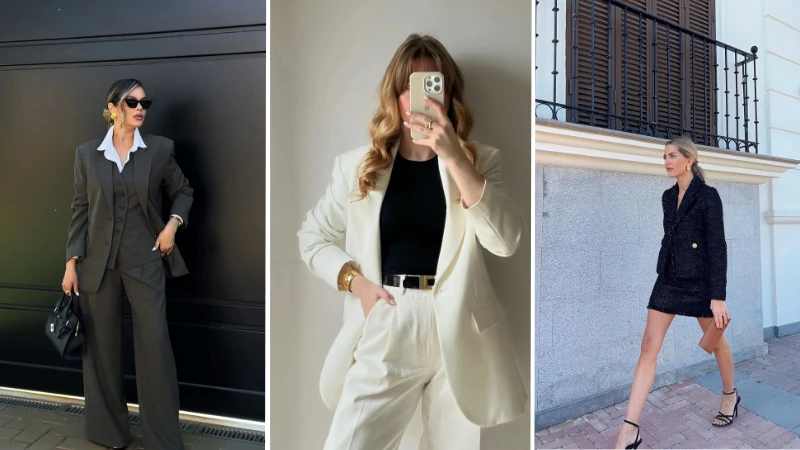
Elegant 15+ Business Professional Outfits For Women to Love

You Google “business professional outfits for women” and get advice that actually describes a business casual Friday—sweaters, ponte pants, boots that belong on a weekend. That gap leaves you second-guessing before every client meeting, wondering whether your outfit will read as boardroom or break room. The problem isn’t your closet; it’s that most guides skip the unwritten rules that turn an acceptable suit into an authoritative one.
Understanding the difference between business dress code levels is the first step toward confidence. The business formal standard shares DNA with what you need, giving you a clearer target than vague “professional” guidance ever will.
21 Business Professional Outfits For Women That Work Every Time
Here are 21 complete outfit formulas, each built from pieces that meet the strictest business dress code for women. No trends, no guesswork—just copyable looks that project authority from your first morning coffee to the last handshake.
The Complete Suit
When the dress code says business professional, nothing replaces the full set. These matching jacket-and-bottom combinations eliminate decisions and signal that you take the room—and yourself—seriously.
The Tailored Black Suit

by @mint_label_
A black wool-blend blazer with clean lines and a straight-leg tweed trouser that holds its shape from 9 a.m. to the last meeting. The only ornament here is a pair of gold hoops—small enough to stay silent, shiny enough to catch the light when you gesture. A structured leather handbag in matching black keeps the silhouette strict. Don’t skip the press after the dry cleaner: a crisp crease down the front of the trouser signals precision, while a wrinkled lapel undermines the entire look. This is the uniform that never makes you guess whether it’s right. Pair with a well-tailored suit like this, and you can walk into any boardroom knowing your clothes aren’t the topic.
The Textured Black Jacket Suit

by @mint_label_
This set swaps the standard wool blazer for a structured tweed jacket with more surface interest. Beneath it, slim wool-blend trousers in black elongate the leg. A black leather belt and matching heels unify the look; the gold earrings provide the only glint. The bag is a quiet, structured shape in black leather. Tweed reads as more traditional—if your office skews ultra-conservative, this fabric choice can signal an understanding of old-guard codes without saying a word. Keep the lines simple and the jewelry minimal, and the jacket does the heavy lifting for your presence. You’re wearing corporate attire women actually expect from a senior hire.
The Black Suit with Burgundy Knit

An oversized black wool-blend blazer meets a slim burgundy turtleneck that adds depth without bulk. Wide-leg crepe trousers in black skim the floor, concealing most of your heel. The belt, bag, and sunglasses are all black, creating an unbroken color line. The turtleneck should fit close to the neck and torso; any extra fabric will bunch under the blazer and add visual pounds. The burgundy is the only chromatic note—it’s a safe departure from all-black that still reads as serious. For days when you need to feel armored but not stiff, this combination of structured outer layer and soft underpiece hits the perfect balance for classy business outfits.
The Grey Three-Piece Suit

An oversized dark grey blazer, matching tailored waistcoat, and wide-leg trousers in an uniform wool-blend. A crisp white cotton button-down peeks from beneath, while black accessories—bag, sunglasses, earrings—keep the line sleek. If you’ve never worn a waistcoat, know that the fit through the middle is everything: it shouldn’t pull across the bust or gape when you sit. Ask your tailor to add a hidden button if needed. This three-piece nods to the androgynous corporate dress codes of the past while feeling absolutely current. It’s among the most formal options in this collection and works brilliantly for a major work presentation where you want no question about your authority.
The Brown Wool Suit

A tailored brown wool-blend blazer and matching wide-leg trousers in the same warm, earthy tone. A simple black slim-fit jersey top disappears under the jacket; a black leather belt and black handbag anchor the look. The gold necklace is the sole piece of jewelry, breaking up the dark top. Brown suits can look cheap in synthetic fabrics—test by holding the sleeve up to light; if it shines, it’ll read as costume. A matte wool-blend signals quality. This outfit speaks the same language as black but with slightly less severity, making it a smart choice for days when you need to be approachable without losing an ounce of professional standing. It’s exactly what you’d expect from business attire women in top-tier firms.
The White Power Suit

A head-to-toe white wool-blend blazer and wide-leg trousers. Black accessories—an oversized leather clutch, leather pumps, oversize acetate sunglasses, and gold earrings—slice through the pale expanse. White suits read as maximal confidence, but they also show every smudge. Keep a stain wipe in your desk drawer and avoid messy lunches. The silhouette is architectural: the wide leg and long line demand space. This is the outfit you wear when you want the room to register your presence before you speak. For anyone navigating business formal for women, an all-white set like this communicates that you’re not just playing the game but rewriting the rules.
The Beige Suit & Tie

by @livia_auer
An oversized beige wool-blend blazer and wide-leg trousers, worn with a white-and-blue striped cotton button-down and a dark brown silk necktie. Black pointed-toe heels and a structured black leather handbag complete the look. A tie on a woman is still considered a statement in many firms; make sure the knot is neat and the width proportionate to your frame—a skinny tie can look costume-like, while a standard tie reads intentional. The relaxed fit of the blazer keeps it from feeling too menswear-derived. This outfit works exceptionally well in lawyer outfit circles or any environment where traditional dress codes are revered and you want to signal you know the old rules well enough to bend one.
The Dusty Pink Suit

A tailored dusty pink crepe blazer and matching wide-leg crepe trousers, with a crisp white slim-fit bodysuit underneath. White handbag, black sunglasses. Pastel suits only succeed when the fabric has structure; a limp pink crepe skips straight into bridal-shower territory. Look for a weight that holds a cuff and a sleeve hem that hits your wrist bone. This is not a garment that hides—it projects a deliberate softness while maintaining the full suit armor. It’s ideal for days when you need to lead with warmth without sacrificing an ounce of command. Pair with classic work outfits in your capsule to ensure it doesn’t feel out of place.
White Suit, Black Shell

by @ewa_vu
A crisp white oversized blazer in structured fabric, partnered with wide-leg white linen-blend trousers. A slim-fit black cotton-blend top and black belt define the waist. Gold bracelet and ring finish the look. Linen-blend trousers can wrinkle by 10 a.m., so look for high-twist linen or a linen-cotton blend with a bit of heft; press them the night before for a sharp front crease. The black top against the white suit creates a strong graphic contrast that reads modern, not trendy. It’s an excellent high-impact look for a meeting-heavy day when summer corporate outfits might otherwise leave you wilted, provided the air conditioning is cooperative.
The Black Skirt Suit

by @romillanh
A tailored black tweed blazer over a matching straight tweed mini skirt, paired with black strappy heeled sandals and a tan slim leather clutch. Gold chunky earrings add polish. The mini skirt here ends just above the knee—any shorter, and you leave business professional territory for cocktail hour. The key is the thick, structured tweed that holds a precise hem. The interplay of black and tan keeps it from looking one-note; the sandals, while not strictly closed-toe in traditional offices, can work if you’re in a creative-firm environment or during a no-client day. Always check your office’s stance on business dress code for women before showing any toe.
The Separates Formula
Not every day demands a matched set. These non-matching blazer-and-trouser combinations—plus a few blouse-and-skirt standouts—let you mix pieces while still reading as fully authoritative. They offer flexibility without sacrificing professionalism.
Crisp Blue Shirt & Beige Trousers

A tailored black wool-blend blazer thrown over a light-blue cotton button-down. The trousers are slim-fit beige crepe with a black leather waist belt. Unbutton the shirt’s second button only if you’re wearing a camisole; an unexpected flash of skin under the conference room lights can shift the focus. The light blue shirt keeps the look from going too dark, while the beige pants lighten the whole silhouette without compromising the professional feel. This combo is a workhorse—reliable on days when you need to look pulled-together fast. For more on mixing separates, explore blazer outfits that bridge casual days and full-suit formality.
Grey Blazer, Black Trousers

A structured grey wool-blend blazer over wide-leg black crepe trousers. A slim black leather belt, brown structured coated-canvas handbag, and black pointed-toe pumps round it out. Black sunglasses add a bit of street polish. The brown bag against black trousers and a grey blazer might seem like a clash, but in fact it warms the whole outfit—just keep hardware minimal and the shape rigid. This is the outfit you wear when you want to look like you understand color, not just rules. The grey blazer is less expected than navy or black but equally authoritative. It sits comfortably in corporate outfits for women where personality is allowed within bounds.
Silk Shirt & White Trousers

by @ewa_vu
A relaxed light-blue silk button-down with wide-leg white linen-blend trousers. A tan slim leather belt and pointed-toe brown pumps, plus a brown top-handle bag. A silk shirt without a blazer is acceptable only in very controlled climates or private offices; keep a black or navy blazer on the back of your chair for any walk down the hall. The silk drapes well and doesn’t wrinkle like cotton, but handle it gently—a steamed collar is critical. This look is a favored strategy in summer corporate outfits when layering feels suffocating. The belt precisely splits the torso, making the white trousers read intentional rather than casual.
White Jacket, Black Pants

A structured white tweed jacket with a fitted white jersey top underneath, tucked into slim-fit black cotton-blend trousers. A slim black leather belt, structured black leather bag, and black pointed-toe pumps carry the line downward. A gold necklace breaks up the dark neckline. White tweed can yellow over time—store it in a breathable garment bag, not plastic, and have it professionally cleaned only when absolutely necessary. The combination of a light top and dark bottom is a classic vertical slimming trick, and the jacket’s texture adds dimension without pattern. It’s a clean, sharp option for classy business outfits when you want to appear crisp but not severe.
Brown Blazer, Cream Trousers

A relaxed brown wool-blend blazer over a white cotton button-down and wide-leg cream crepe trousers. A black slim leather belt, beige pointed-toe pumps, and a gold necklace add polish, while a black leather shoulder bag keeps the essentials. When wearing cream trousers, check the rear view in natural light before leaving the house—sometimes lining visibility can kill an otherwise flawless look. This trio of neutrals (brown, white, cream) feels less rigid than a full suit but just as intentional. Roll the sleeve of the blazer slightly to show the cuff of the shirt if you want to telegraph a hint of ease within the rule set. For more on this balance, see corporate outfits for women that mix tones.
Brown Blazer & Black Pants

by @mint_label_
A tailored brown wool-blend blazer with relaxed black crepe trousers. Accessories include a taupe structured leather handbag, gold stud earrings, and a classic silver watch. The taupe bag acts as a neutral bridge between the brown blazer and black pants—without it, the color block might feel disconnected. The watch is a small but mighty detail: a simple stainless-steel case keeps the look competent, not gimmicky. This outfit relies on fit—the trousers should break exactly at the top of your shoe, no puddling. It’s an underrated combination for those who prefer classic work outfits that don’t demand a matching set but still read as authoritative.
Black Blazer, Beige Trousers, Loafers

A tailored black wool-blend blazer layered over a slim black knit turtleneck. The trousers are straight-leg beige cotton-blend, anchored by a black adjustable belt. Black suede loafers and the barest hint of gold rings keep it minimalist. Loafers in a business professional setting must have structure—no flimsy backs, no worn-down heels. A stitched, rigid sole signals intentionality, not sloppiness. The beige trouser lightens the top’s formality but the blazer pulls it right back into serious territory. This is the outfit for a day of back-to-backs when you need to be comfortable enough to think but look crisp enough to debate. The knit turtleneck also removes any button-gaping anxiety.
Brown Blazer & Dark Denim

A relaxed brown wool-blend blazer over a white slim jersey top. The trousers are straight-leg black denim—dark, even in wash, with no whiskering or distressing. A black leather belt and structured black handbag keep it office-appropriate. Denim in a business professional setting is a gamble; only proceed if the pants are truly indistinguishable from cotton trousers in weight and finish, and your office explicitly allows dark denim. When done right, the brown blazer and dark denim reads like a modern, confident twist on the separates formula. It works best in cities with a more entrepreneurial culture, not in traditional law. For more calibrated looks, business dress code for women clarity can save you from mistakes.
Tan Blazer with White Tee

by @pauline__dt
An oversized tan wool-blend blazer, a simple white cotton t-shirt, and wide-leg black crepe trousers. Black slingback patent-leather heels and a black leather handbag finish the look. A black belt bridges the tee and trousers. A white tee under a blazer works only if the tee is thick enough to hide bra lines and has a crew neck that sits flush against the blazer’s lapel—no v-necks, no tissue-weight fabric. The slingback offers a closed-toe alternative to the pump that still reads formal in most offices. This is the outfit you wear when you want to convey that you’re the smartest person in the room without flexing. It’s the modern blazer outfits formula at its best.
Tan Blazer, Beige Skirt

An oversized tan wool-blend blazer over an A-line beige woven mini skirt. Black-and-beige slingback heels and a structured black top-handle bag, plus black cat-eye sunglasses and gold earrings, complete the look. The skirt’s A-line shape means it can flare in a breeze; wear opaque tights and a slip short underneath to prevent any mishaps. The pairing of the tan and beige is nuanced enough that it looks intentional without screaming “matchy-matchy.” The oversized blazer keeps the proportion modern. For those who prefer skirt options in warmer months, this is a safe, chic way to stay cool while respecting the dress code. See the length that breaks everything for why this hemline must hit exactly at your knee.
White Blouse & Grey Pencil Skirt

by @whatemwore
A relaxed white silk blouse tucked into a slim-fit grey tweed pencil skirt. A black slim leather belt, black top-handle bag, and black pointed-toe suede pumps pull it together. A silk blouse with a pencil skirt can look like “lunching” if the skirt isn’t fully lined; check that the fabric is opaque and the waistband sits at your natural waist, not low on the hips. Gold jewelry—perhaps a delicate chain—adds a soft focal point near your face without competing. This is a classic combination that works when you don’t want the weight of a blazer but need the polish of a skirt suit. It’s a go-to in many business attire women wardrobes for those in-between days.
The Unwritten Rules of Business Professional Dressing in Male-Dominated Offices
Blend in, then stand out: The first goal is to look like you belong in the room without comment. Once your suit reads as expected, small details—a sculptural earring, a silk shell in a subtle print—add individuality. Start with the uniform, then adjust. The woman who walks in wearing a bold floral blazer before she’s established risks being remembered for the wrong reason.
The line between polished and distracting: Animal prints, visible logos, and jewelry that clanks or catches the light can undercut perceived competence even if the dress code says “professional.” Partners in conservative firms notice what moves. A quiet watch and stud earrings let your argument take center stage. Save the statement necklace for dinner.
Skirt length politics: A hemline at the knee or just below is non‑negotiable. Anything shorter, even by an inch, shifts the dynamic before you speak. The test: sit in a chair, cross your legs, and check where the fabric lands. If it rides past mid‑knee, it fails. I’ve seen a senior associate lose a client’s trust because her skirt was “too cocktail”—she didn’t realize it until a partner mentioned it offhand. That’s the kind of distraction you can’t afford.
Color isn’t just about hue: Charcoal on one woman projects authority because the fabric has weight and the shoulders fit. On another, cheap black polyester reads as an uniform, not a power play. The difference is in the drape and the tailoring. Before you buy, ball up a handful of the fabric in your fist and release it—if it wrinkles immediately, it’ll look exhausted by 10 a.m. You can learn more about decoding dress code details in our business dress code guide.
Avoid the assistant effect: A slouchy tote, scuffed ballet flats, or an oversized cardigan worn over a dress can unintentionally signal support staff even when you hold the senior role. The fix is architectural: a structured top‑handle bag, low heels with a defined toe, and blazers instead of cardigans. For more on how one wrong accessory resets your formality, see our piece on the bag that kills the outfit.
Why Your Business Professional Outfits For Women Need Alterations—And What to Ask For
Shoulder seams that betray you: An off‑the‑rack jacket often hangs past your natural shoulder, making you look like you borrowed someone else’s armor. A tailor can narrow the shoulders for about $40, and the result is immediate: your frame looks sharper, more in command. Sleeves should end where your wrist meets your hand, showing ¼” of blouse cuff. If the jacket is long enough to shorten your torso, ask to have the length adjusted—usually just an inch makes the difference between stumpy and streamlined.
Trouser hems and shoe height: Always bring the exact shoes you’ll wear to the fitting. The half‑inch difference between a flat and a block heel can make trousers puddle or ride up. Aim for a slight break at the front where the hem kisses the top of your shoe. That precision signals ownership. Any tailor can do it; you just need to ask. Our guide on hem lengths explains the visual math in detail.
Waist suppression isn’t about vanity: A blazer that hangs straight from the armpits reads as male‑default. Adding darts or taking in the side seams creates shape without pulling. Tell your tailor, “I want a feminine silhouette, but I still need to reach forward without strain.” If they pinch too much fabric, the coat will look tight and cheap. A good alteration leaves you able to hug a colleague or grab a file off a shelf comfortably.
Button stance and hidden pocket fixes: If a blazer’s top button hits above your natural waist, the proportions will look off—too short in the torso. A tailor can move the buttons down half an inch. Jetted pockets should stay sewn shut permanently; open them and the jacket loses structure along the hip. These are subtle markers of a quality garment. Most guides suggest buying a size up for comfort. I’d argue that’s backwards, because an oversized blazer swallows your shape and reads as borrowed rather than owned.
The stretch fabric lie: You’ll hear that elastane blends move with you. The truth: by lunch, they wrinkle at the elbows and lose their crisp edge. Take a handful of fabric in the dressing room and squeeze it for 30 seconds. If the creases don’t release immediately, leave it on the rack. Unlined tropical wool or a cotton‑silk blend will breathe and recover—and look authoritative all day. For more suit‑buying strategy, check our suit buying guide.
How to Survive a Business Professional Dress Code in Every Season
Layering for arctic‑blast air conditioning: A silk or merino‑wool T‑shirt under your blazer adds warmth without bulk. It sits flat against your body, so it never bunches at the waist when you sit. Keep a fine‑gauge cashmere wrap or pashmina in your drawer—drape it over your shoulders during long desk sessions, then remove it before you stand for a meeting. It reads as intentional, not shivering.
Summer fabrics that actually work: Linen wrinkles if you look at it wrong, and seersucker can read as resort wear in cities like New York or Chicago. Instead, try high‑twist cotton (it weaves air channels into the fabric) or lightweight tropical wool. Both let heat escape while keeping a pressed appearance. For more warm‑weather options, see our summer corporate outfits ideas.
Your commute‑to‑conference shoe system: Start with a supportive commuter shoe that doesn’t distort your trouser hem—a slim leather sneaker or driving loafer with a thin sole. Change into your pumps once you arrive. In winter, the only boot styles that work with a skirt suit and opaque tights are sleek, almond‑toe ankle boots with a stacked heel no higher than 2.5 inches. Anything chunky reads as après‑ski. For more shoe strategy, our work shoe guide breaks down every approved style.
Sweat‑proofing without plastic: A silk‑blend camisole under your blouse wicks moisture and never shows at the neckline because it’s cut low. Avoid synthetic liners that trap heat and make you feel vacuum‑sealed. The camisole’s hem should sit just above the waistband of your trousers so it doesn’t add a visible line. If you walk into a meeting from a hot commute, the armpits of your blazer will stay dry because the silk underlayer absorbed the moisture first.
The Accessories That Can Make or Break Your Professional Image
Two logos max—and that includes your bag: Even a subtle logo on your shoe buckle plus a monogramed tote counts as two. In conservative offices, visible branding can read as trying too hard. Choose quiet hardware. A structured leather tote with no visible markings signals confidence without shouting. If you want the quality, buy the piece without the initials. For more on this, see our analysis of how accessories reset formality.
Watch size matters more than price: A 34–38mm case on a leather or metal band reads as serious and classic. An oversized smartwatch face triggers an unconscious “casual” bias, especially in meetings with older partners who still associate tech wearables with weekend workouts. If you need notifications, wear a slim hybrid that looks like an analog watch. Your wrist should look deliberate, not digital.
Eyewear as armor: Frames with a defined brow bar or a dark acetate material add structure to your face and draw attention to your eyes. Rimless glasses, by contrast, can disappear on camera and read as invisible confidence. If you’re presenting, a solid dark tortoise or black frame anchors your expression. It’s the single fastest way to look more authoritative without changing your clothes. Our work presentation outfit guide includes more presentation‑focused styling.
Earrings, necklaces, and the 12‑inch rule: From where you sit, your jewelry should be visible—that means earrings with a little presence, not microscopic studs, and a necklace that rests at the collarbone so it catches the light when you gesture. Avoid anything that jangles. If you can hear your bracelets while typing, so can everyone else, and the sound reads as distraction, not exuberance. Silent accessories let your voice stay the focus.
Your Business‑Professional Capsule: The Only 12 Pieces You Need
This work capsule wardrobe for women strips the guesswork from your closet. These twelve professional outfit staples create every outfit you need without a walk‑in closet. Mix, repeat, and nobody will notice you’re wearing the same core pieces all week.
Power‑Blazer: Invest in a single, season‑neutral blazer in navy tropical wool or high‑twist cotton with structured shoulders and a single‑button closure.
Fit over trend. The shoulder seam must hit exactly where your shoulder bone ends—not a millimeter beyond. If the seam droops, you’ve lost authority before you speak. This blazer anchors your whole work capsule wardrobe for women and even works when you drop the suit and build blazer outfits with jeans on travel days.
Two Trousers, One Skirt, One Dress: One pair of trousers matches the blazer exactly; the second is a crepe neutral (charcoal, taupe, or navy) that doesn’t wrinkle. Add a knee‑length pencil skirt and a sheath dress.
That’s four bottom‑half pieces that rotate into over a dozen distinct corporate office outfits. The skirt needs a back vent that lets you stride without popping it open—ask the tailor to extend it half an inch if necessary. The sheath dress should have a center‑back zip that lies completely flat under your blazer so the jacket doesn’t ride up.
Tops & Knitwear: Stock three shell tops (silk, crepe, or fine cotton) with a jewel or bateau neckline and one fine‑gauge merino crewneck that disappears under a collar.
Test the armhole: raise both arms in the fitting room. If you see bra, put it back. The goal is a top that stays completely invisible under your jacket—no peeking skin, no neckline gap, no bulk at the sleeve. These pieces are your professional outfit staples that take zero thought in the morning.
Emergency Desk Kit: Keep a mini sewing kit, fashion tape, a fresh pair of sheer nude hose, a lint roller, and a white pencil eraser in your bottom drawer.
The eraser trick: gently rub a white, non‑gritty eraser on deodorant marks and they vanish without a trace—better than a wet paper towel that leaves a damp spot. A popped button or a snag in your last pair of tights won’t derail your day if you have the fix within arm’s reach.
Save‑Smart Buys: Save on shell tops, basic crepe trousers, and department‑store suit sets—like Tahari or Kasper—that you tailor to your body.
A $150 unlined suit with a $60 tailoring investment reads as expensive as an $800 label. Avoid polyester satin linings that trap heat; choose suits with breathable polyester‑rayon blends or go unlined. The money you save on the suit can buy the exact work shoes that complete the look without a blister.
FAQ
Can I wear a sleeveless dress without a blazer in business professional settings?
No—unless you’re in a private office with zero client‑facing interactions. The moment you step into a hallway, put on a jacket. Bare arms still signal “after‑hours” in conservative firms, as we explained in our business formal for women guidelines.
What if I can’t afford high‑end suits right now?
Buy one mid‑price, unlined wool‑blend suit in dark navy, then spend $60–$80 on a master tailor. Well‑fitting fabric reads as expensive; an expensive suit that doesn’t fit reads as clueless. Prioritize the blazer fit over the trousers—you can hide trouser issues under a desk.
Do I really have to wear pantyhose under a skirt suit?
Yes. In traditional business professional settings (law, banking, politics), sheer nude or barely‑black hosiery is still non‑negotiable. Opaque tights in winter are acceptable; bare legs, even with a tan, are not. When in doubt, hose.
Is it unprofessional to carry a backpack to work?
In traditional firms, a leather tote or top‑handle bag remains the default. A backpack risks reading as a student or commuter first impression. The wrong bag can kill your outfit’s formality instantly, so keep it structured and handheld.
How do I dress business professional when I’m pregnant?
Invest in two maternity‑specific, stretch‑lined blazers (black and navy) that accommodate your bump without gaping. Pair with ponte or stretch‑crepe trousers and knee‑length wrap dresses that layer under the same jackets. This keeps your look cohesive without a new wardrobe every month.
What do I do if the air conditioning is freezing but I get hot flashes?
Layer a silk or merino‑wool T‑shirt under a cardigan‑weight blazer, and keep a fine‑gauge cashmere wrap in your drawer. Draped over your shoulders at your desk, it reads intentional; ditch it before you stand for a meeting. No one notices the swap, everyone notices sweat.
Are open‑toe shoes ever acceptable?
No—not in any truly business professional setting. Even if you see a senior woman break this rule, assume you don’t have permission until you reach her tenure. Stick with closed‑toe pumps, slingbacks with a closed toe, or heeled oxfords, as we detail in our work shoes guide.