Polished 15+ Reporter Outfit Ideas for Journalists

The standard advice on a Reporter Outfit leans heavily on blazers and pencil skirts — studio looks that ignore the physical reality of hiding a mic pack, standing in drizzle, and staying polished through a ten-hour shift. What you actually need is wardrobe that works with your gear, not against it. This guide skips the Pinterest fantasies and delivers twenty-three real-world outfits built for field reporter style: smart layering, fabric that doesn’t rustle, and cuts that conceal transmitters without looking bulky. Whether you’re covering a press conference or a flood zone, these looks hold up — the kind your gear actually survives.
A structured blazer outfit anchors most field looks, but only if it survives the sit-stand-repeat cycle of a news day. The sitting-to-standing problem explains why your blazer gapes and how to fix it.
23 Reporter Outfit Ideas That Solve Your On‑Camera Woes
Most reporter outfit advice stops at blazer-and-skirt combos that ignore the physical reality of the job. These 23 looks come from real broadcast and field situations—where mic packs hide in waistbands, weather shifts mid-standup, and your clothes still need to look sharp after ten hours. Each outfit here includes a specific, actionable tip to keep you camera-ready, whether you’re reporting from a courthouse or a county fair.
For the News Desk and Formal Presser
Studio lights, seated angles, and a crowd of reporters all demand one thing: clothes that look deliberate without distracting. These outfits use dark precision, structured cuts, and thoughtful details to project authority from the first frame to the last.
Cream Bouclé vs. Camera Glare

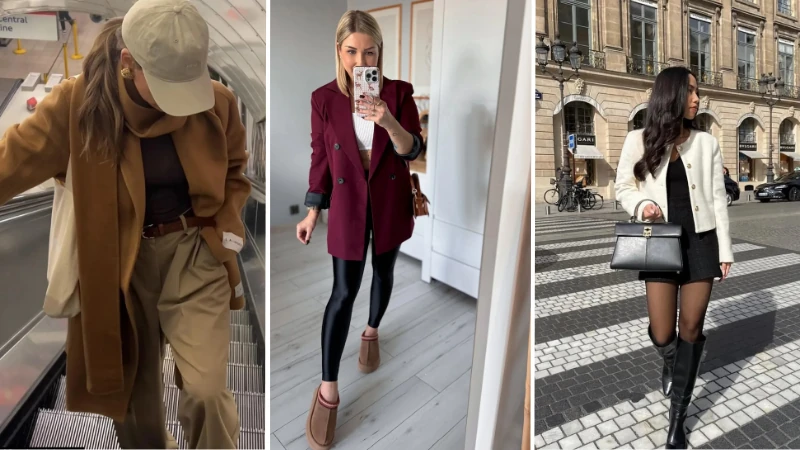
A structured cream bouclé jacket paired with a black slim-fit top and an A-line wool skirt is a classic cold-weather studio outfit. Bouclé’s nubby surface diffuses light far better than flat white fabric, so you avoid the glare that plagues live broadcasts. Go for a tight weave—loose bouclé catches on lav mic cables and creates an audible rustle that the sound tech will notice. Black leather knee-high boots, opaque tights, and a matching structured handbag pull the look into formal territory without feeling stiff. Simple gold earrings finish it off. This combination keeps you anchored on camera even during a long segment.
The All-Black Tweed Power Suit

by @mint_label_
A black tweed jacket and slim wool-blend trousers form a stealthy, authoritative pair for serious press events. All-black hides a transmitter pouch against the waistband, and the tweed’s subtle variegation stops the outfit from reading as a dark void on screen. Make sure the jacket has a deep interior pocket—you can slide your phone or notes inside without creating a bulge. A black leather belt and pointed-toe suede heels keep the silhouette sharp, while a black clutch and drop gold earrings inject just enough polish. This is your go-to when the news is heavy and your clothes should stay quiet.
Monochromatic Pink, Controlled Drama

by @whatemwore
For lifestyle anchoring or a feel-good segment, a head-to-toe light pink blazer and wide-leg trousers make a soft, memorable statement. Monochrome elongates your frame on camera, but pale pink can wash out under studio lights; always do a lighting check and ask your director if the color holds up before you go live. A silk-blend scarf at the neck adds movement without bulk, and a gold clutch plus pearl earrings maintain a formal edge. Beige sandals give the outfit a modern spring vibe. Note: This works best seated, where the trousers won’t crease over a mic belt.
The White-On-White Anchor Moment

A tailored white crepe blazer and matching slim-fit trousers read crisp and expensive on the evening news. But all-white is risky: on lower-end cameras, it can flare and conceal wrinkles on your face. Always wear this with a layer—like a tone-on-tone camisole—to break up the white and prevent the dreaded “floating head” effect. A black structured leather bag and gold watch anchor the look with high-contrast accessories, which help the camera lock focus faster. Gold earrings add warmth. Reserve this outfit for studios you know have excellent lighting.
The Three-Piece Authority Suit

by @mint_label_
Black tailored wool blazer, matching slim-fit vest, and wide-leg trousers—this is the complete press-conference armor. The three-piece construction means you have a natural spot to clip your lav mic: attach the transmitter pack inside the vest pocket, where it disappears completely, and run the wire under the armhole to the lapel. Pointed-toe leather heels and drop gold earrings add authority without feminizing the look. The wide trousers balance the fitted vest and allow for crouching to get a quote. This outfit signals that you’re in charge of the story, not the other way around.
The Silk Blouse Under Scrutiny

A loose white silk blouse with tailored black crepe trousers is an elegant, foolproof combination—until you factor in a hot studio. Silk clings to sweat and registers every rub as a faint rustle on the audio track. If you can, swap to a silk-cotton blend for the same sheen with far less noise. Tuck the blouse fully, secure the mic wire along the inside of the button placket with tape, and use a low-profile leather belt. A black structured bag and simple gold earrings complete the look. This is a quiet luxury outfit that works when you don’t need to run.
The Brooch-Focused Power Blazer

by @mint_label_
A black tailored blazer and straight-leg trousers in matching suiting fabric create a sleek, uninterrupted line. The standout silver brooch pinned at the lapel gives the camera a deliberate focal point near your face—a brooch also serves as a clever leverage point to secure a lav mic using a small safety pin behind the lapel. Black slip-on leather loafers keep the look comfortable enough to stand in for hours. A structured black handbag and a two-tone wristwatch reinforce the minimalist, powerful vibe. This is your instant-authority uniform for any high-stakes business story.
For the Morning Live Hit
Early calls, unpredictable light, and the need to stand still while the camera rolls. These light-hued, camera-friendly combinations minimize glare and let you move through a hit without second-guessing your outfit.
Head-to-Toe Cream, No Glare

by @jeanwang
A cream tweed jacket, off-white knit top, and wide-leg crepe trousers form a monochromatic outfit that softens morning sun. Tweed’s texture prevents the color from blowing out on a bright day. Always test this look outdoors first—cream can reflect too much light if the fabric has a sheen, so stick to matte finishes. Gold pointed-toe pumps and gold stud earrings lift the palette without adding visual noise. The wide trousers give you room to bend and adjust your stance, and the jacket’s enough structure to hide a transmitter pack tucked into the waistband.
Beige Button-Down, No Gap

by @mint_label_
A relaxed beige cotton button-down and straight-leg cream trousers make for a breathable, no-fuss live-shot uniform. The button-down collar frames your face and gives a solid anchor point for a clip-on mic. Prevent that dreaded chest gap by sewing a small snap between the two buttons that sit over your bust; it keeps the shirt closed when you reach out with a handheld mic. A cream belt, beige pointed-toe pumps, and a structured beige handbag tie the look together. Simple gold earrings add a finished touch without distracting. This outfit transitions seamlessly from a 6 a.m. hit to a noon meeting.
The White Monochrome Gamble

A white blazer and slim white trousers can look ethereal and expensive—or glaringly overexposed. Pure white reflects up to 90% of light, which can trick the camera into darkening your face. Always do a quick white-balance test before you step in front of the lens; if your face looks shadowed, toss a neutral gray scarf over one shoulder to absorb the excess light. Black heels, a silver bracelet, and silver earrings create crisp contrast. A white leather handbag completes the minimalist aesthetic. Use this outfit only when you have time to check the shot carefully.
The Oversized Pink Blazer Secret

An oversized light pink wool-blend blazer with straight-leg trousers in the same hue hides a multitude of field-gear sins. The generous cut means you can clip your entire transmitter pack to the inside pocket, and the bulk disappears under the boxy silhouette. A cream satin top adds a touch of softness, while beige pointed-toe heels keep the look grounded. No belt is needed—the blazer’s drape does the work. This is a lifesaver for early liveshots where you’ve got thirty seconds to clip your mic and check the lighting before the countdown starts.
Dusty Pink With a Side of Shade

A dusty pink blazer and matching wide-leg trousers strike a balance between feminine and authoritative, perfect for outdoor standups. The pale pink won’t strobe under sunlight, and the wide legs accommodate a hidden mic belt. Keep those black sunglasses on until exactly the moment you go live; removing them on air looks fidgety. Stash them in the blazer’s deep pocket, not your head, to avoid messing up your hair. A white handbag, white slim-fit top, and gold choker necklace add contrast and keep eyes moving up toward your face. This outfit invites trust without softening your credibility.
Tweed Jacket Over Cool Tank

by @jeanwang
A cream tweed jacket worn over a white tank top and black wide-leg crepe trousers is the perfect hot-weather live-shot solution. The tank top as a base layer absorbs sweat and keeps you cool when you’re under lights; if you need to ditch the jacket between takes, the tank still looks intentional. A tan structured handbag and beige pumps add warmth, while the black trousers ground the pastel jacket so it doesn’t float. This is also a smart move for standups after a downpour—the dark trousers hide any mud splatters from wet pavement.
For the Full-Day Field Assignment
You’re in and out of vans, crouching for B-roll, and your mic pack is your constant companion. These polished but hard-wearing outfits prioritize hidden gear, wrinkle resistance, and the ability to pivot—literally—at a moment’s notice.
The Polo Shirt Goes Primetime

A white polo shirt tucked into relaxed grey wool-blend trousers might sound too casual, but paired with pointed-toe brown pumps and a slim brown belt, it reads deliberate and approachable. The polo’s collar creates a stable, no-flap surface for your lav mic. Clip the mic right at the center of the collar where the placket meets; the knit texture holds the clip without security tape. A brown structured handbag and gold watch keep the look mature. This is an ideal outfit for a community event or a field interview where you want to appear knowledgeable without intimidating.
The Navy Wide-Leg Lifesaver

by @whatemwore
A light blue cotton button-down and high-waist navy wide-leg crepe trousers are a field reporter’s best friend. The loose cut hides a thigh-holster transmitter pack perfectly, and the crepe fabric bounces back from hours in a news van. Secure the mic cable along the trouser side seam with a strip of fabric tape, then lead it up to the button-down’s chest pocket—this keeps the wire invisible and tangle-free. A tan leather tote fits your emergency steamer, snacks, and extra batteries. Brown belt and beige pumps pull the two neutrals together. This combo handles everything from a school board meeting to a courthouse stakeout.
The Cardigan Camouflage

A slim white cardigan left open over a tucked top or worn alone over a camisole is a quiet-yet-smart field choice. Pair it with wide-leg white crepe trousers for a fresh, preppy vibe. Run the lav wire inside the cardigan’s button placket and clip the mic to the inside edge—no visible cable and no gap at the neckline. Brown loafers, a tan belt, and a tan structured handbag introduce warmth, while a gold watch adds a subtle professional shimmer. The cardigan also stretches without wrinkling, so you can lean on a fence or kneel for a low shot without looking rumpled.
Navy Polo, White Linen Illusion

A navy slim-fit polo and wide-leg white trousers embody the preppy field reporter aesthetic. However, real linen wrinkles if you so much as look at it. For actual field work, choose a poly-viscose blend that mimics linen’s texture; you’ll still get the visual lightness without the crease-fest. A black slim belt and clutch keep the waist defined, while a navy knit jacket slung over your shoulders acts as a weather backup. Gold earrings lift the dark top away from your face. This works for a seaside report or a park interview—anywhere you need blend approachability with professionalism.
The Silent Silk Blouse

by @mint_label_
A white silk blouse with slim black wool-blend trousers is classic, but silk talks on a microphone. If you must wear silk, choose a blouse with a high neckline and zero loose fabric; or, for absolute quiet, switch to a silk-cotton blend or a matte crepe shell. Tuck it smoothly and clip the lav to the blouse’s seam, running the wire down to a hidden belt pouch. A black slim belt and black suede bag unify the look. Gold earrings provide warmth. Reserve this outfit for indoor interviews where you can control the environment and move deliberately.
The Contrast Blazer Trick

An oversized cream blazer over black tailored trousers is a swift, high-impact field outfit that draws the eye upward. The cream jacket’s roomy cut hides the outline of a waistband mic pack completely, while the black trousers slim the lower body and resist showing dirt from outdoor setups. A cream leather handbag and gold ring and bracelet keep the look current. There’s no top under the blazer—simply layer a nude camisole and button the jacket for a clean line. This is the five-minute change you keep in the van for when your original outfit gets soaked by a surprise storm.
For the Casual Outdoor Segment
Street interviews, community events, and lifestyle features let you relax the formality—but the camera still magnifies every slouch. These outfits balance approachable textures with disciplined form, so you look intentional, not off-duty.
The Camel Overcoat Commute

A camel oversized wool overcoat tossed over beige wide-leg cotton trousers, a beige scarf, and a cream tote bag is the complete commuting reporter’s shell. The neutral palette looks expensive without trying. Remove the baseball cap before you go live—the brim shadows your eyes and traps heat, making you look sweaty even if you’re not. A dark brown leather belt and gold earrings anchor the soft colors. This outfit transitions from a cold morning standup in front of city hall to a lunch meeting with a source. Just make sure you can hook the tote’s handles over your rolling bag for hands-free navigation.
The Digital-Only Dress Code

by @_mon_nia
An oversized burgundy blazer over a white crop top and black skinny leggings, finished with chestnut suede slippers and a brown crossbody, is strictly a digital reporter’s uniform—think TikTok updates or Instagram lives. This is not for broadcast: the crop top can flash midriff when you raise your phone for a selfie angle, and leggings show every transmitter bump. If your outlet allows casual attire for social-led reporting, this is a fresh, modern look. Use it for a behind-the-scenes clip where you’re walking and talking. In any formal newsroom, swap the leggings for wide trousers and the slippers for loafers.
The Jeans That Pass Muster

by @freyakillin
A black cropped wool-blend jacket with light blue straight-leg jeans walks a fine line. On camera, jeans are acceptable only for certain field settings—a community garden, a county fair, a casual sports story. Press the jeans before you wear them; a center crease down the front elevates them from weekend wear to intentional workwear. Black structured pebbled-leather handbag, black sunglasses, and a gold necklace add polish. The two-tone watch keeps the look crisp. This outfit is a calculated risk: in the right market, it signals you’re one of the people; in the wrong market, it signals you didn’t dress up.
Hot Pink Trousers, Controlled Pop

A white chiffon blouse paired with hot pink slim-fit woven trousers is a mood-lifter that still reads professional for feature reporting. The vivid pink draws attention on social media thumbnails and on-air, but chiffon can turn sheer under bright lights; always check with a flashlight from inside the blouse before you go live and wear a nude camisole as backup. Nude patent-leather pumps elongate the leg without clashing, and a white handbag and pearl earrings keep the focus on the color story. This outfit is your secret weapon for human-interest pieces where you need to look approachable and energetic, not somber.
Dressing Around a Mic Pack Without the Bulk
Trouser cuts that hide a transmitter pouch: Wide-leg trousers with belt loops give you anchor points for the pack without creating that awkward rectangular silhouette. Paperbag waists work the same magic—the gathered fabric naturally conceals bulk. Ponte pants with sewn-in waist stay clips are my go-to. Flat-front trousers with zero structure will betray every piece of gear you’re carrying. If you want the trouser to do the heavy lifting, reach for something with architectural seams rather than a simple pull-on cut. Wide leg pants in a substantial knit solve this better than anything else I’ve tested.
Fabrics that stay silent: Stretch crepe, double-knit, and ponte absorb friction without broadcasting it through a lav mic. Silk charmeuse is gorgeous but registers every rub, every brush of a jacket lining, every shift in your seat. Save it for voice-over days when no one’s wiring you up. The conventional take is that any thick fabric works. That misses the point entirely—density doesn’t matter. Surface texture does.
Anchoring the lav clip: A sticky bra strap repurposed inside a blouse holds a lav clip at the perfect angle without dragging your neckline down. Peel the backing, press it against the inner placket, and clip the mic to the fabric-covered sticky side. It points exactly where it should and stays put through a full hour of gesturing.
The silicone transmitter cover: A thin slip-on sleeve that smooths the brick-like outline of a standard transmitter pack so it disappears under a fitted jacket. Almost no one owns one. They cost about twelve dollars and solve the single most visible gear problem on female reporters.
Avoid wrap dresses for live hits: The mic cable exit creates a gap at the inner wrap point that looks like a wardrobe fault. If you must wear one, tape the inner opening shut with fashion tape along the entire seam—not just at the neckline. Test it by twisting at the waist and raising both arms before you go on air. Any wire pop or puckering? Fix it now, not on the set.
The gear test: Bend forward. Twist at the waist. Raise both arms overhead. If the wire pops out of your collar or the transmitter pouch shifts against your hip, you’re not camera-ready. The sitting-to-standing problem applies here too—what looks fine when you’re still falls apart when you move. Do this test in every outfit you plan to wear on air. No exceptions.
How to Stay Camera-Ready in Any Weather
Double-faced wool coats: They repel light rain without looking like technical outerwear, and they don’t photograph with a shiny coating that catches studio lights. Crucial when you’re standing in drizzle for a stand-up and need to look authoritative, not like you got caught unprepared. Most guides recommend trench coats for rain. I’d argue a double-faced wool coat does the job with more polish, because the matte surface reads as intentional on camera while a dripping trench reads as compromised.
Anti-static spray: The secret weapon that stops skirts from clinging to tights in dry studio air and prevents flyaways from fabric friction. Spray the inside of your skirt hem, not the outside. It lasts about four hours, so reapply before evening liveshots if you started at 6 a.m.
Heat-proof base layers: Moisture-wicking camisoles with built-in bra support eliminate sweat marks and let you strip off a blazer between takes without losing shape. Look for ones with a high neckline that sits invisibly under a button-up. Summer work outfits only work when the base layer does its job silently.
The go-bag duo: A mini garment steamer and a dark hand towel. Humidity-induced shine on your forehead transfers to your collar within minutes. The towel blots invisible oil from the fabric. The steamer refreshes the collar after it absorbs that oil. Pack both. Use them in the van between segments.
Waterproof ankle boots: A block heel with a discreet lug sole that still pairs with tailored trousers. They handle mud, wet grass, and tile floors without a costume change. A rainy day outfit fails fast if your shoes can’t handle the actual ground you’re standing on. Skip anything with a smooth leather sole—one wet patch of sidewalk and you’re sliding on camera.
Silk scarf as multi-tool: Use it as a hair tie in sudden wind, a sweat-blotter at the collarbone between takes, or a pop of color that draws attention away from a steamed-over camera lens. A silk scarf outfit addition works harder than any single-purpose accessory. Fold it small, stash it in your blazer pocket, and deploy it when conditions turn.
The Body Language a Good Reporter Outfit Unlocks
Structured blazers change your carriage: Slightly padded shoulders encourage straighter posture and more expansive gestures when you’re delivering a live report. The jacket doesn’t just look sharp—it physically reminds your shoulders to stay back. Blazer outfits that lack structure won’t give you this feedback. Look for a set-in sleeve with at least a whisper of padding at the crown.
Low-rise trousers are a liability: The moment you need to kneel for a low-angle shot or bend to help a crew member, they gap at the back. High-waist cuts with a little stretch let you move without adjusting. You don’t want your hand reaching for your waistband on camera. That gesture reads as discomfort, and viewers register it instantly.
Pencil skirts and uneven sidewalks: A tailored midi with a back vent or a subtle side slit keeps your stride natural and still reads polished from every camera angle. The length that breaks everything is the one that forces you to take mincing steps. If you can’t walk a full stride in it, it’s wrong for field work.
Pockets that reduce fidgeting: A blazer with deep hip pockets lets you rest a hand naturally or stash a small notebook. You look anchored, not shoved into an outfit. Nervous hands find each other, fidget with rings, or tap thighs. A pocket gives that energy somewhere to go so your upper body stays still and authoritative.
Neckline testing: Button-up collars, deep v-necks, and cowls each hit the mic differently. Lean forward at a 45-degree angle in front of a mirror. If the fabric gaps or the mic shadow changes, layer a camisole or choose a higher cut. The camera is unforgiving at that angle, and you’ll be leaning toward your subject or your notes constantly.
Rehearse the full stand-up at home: Some cuts ride up when you raise a handheld mic. Some sleeves bunch when you gesture toward a graphic. Some waistbands roll when you pivot. Adjusting on camera breaks your authority. Move through your full range of motion in every new outfit before it debuts on air.
Newsroom Politics: What Your Outfit Says Before You Speak
The “style girl” trap: In many newsrooms, appearing too fashion-forward earns you a label that’s hard to shake. Overly conservative suits can read as out-of-touch, especially at digital-native outlets. The sweet spot: one intentional statement piece—a jewel-tone jacket or sculptural earring—grounded by neutral basics. Corporate outfits that lean too heavily in either direction telegraph something you may not intend.
Unspoken hierarchy by role: Field reporters get more leeway with rugged-chic—utility trousers, weatherproof boots—than anchors. Digital journalists walk a line between approachable and credible. Never assume the dress code from one lane applies to another. Watch what veteran women in your exact role wear, and calibrate from there. Corporate outfits for women vary wildly by context, and the rules for a morning anchor don’t translate to a crime beat reporter.
Pure white blouses blow out on camera: A white blouse outfit without a layer over it creates glare that distracts from your face. Always add a vest, jacket, or at least a tone-on-tone cardigan to absorb harsh lighting. The camera sees white as a light source, not a color. You want depth, not a beacon.
Producers notice details: Tailored hemlines, pressed seams, and intentional coat hooks signal that you respect the audience and the newscast. They don’t say it out loud, but they remember it when assignments or promotions come up. Subtle quality reads as competence. Wrinkled hems and forgotten dry-cleaning tags read as chaos.
Visible bra straps are non-negotiable: Built-in shelf bras, seamless racerback converters, or adhesive cups are mandatory. Not because of outdated modesty rules. A strap peeking out on camera screams “I didn’t prepare,” and viewers distrust it instantly. The audience may not articulate why, but they’ll feel less confident in your reporting. Business casual for women has strict rules in broadcast contexts, and this one has zero exceptions.
The 5‑Piece Reporter Capsule Every Woman Should Own
The Machine‑Washable Blazer: Grab a wrinkle-resistant blazer with hidden interior zip pockets.
A four-way stretch knit moves with you on live hits and the pockets hold your phone or audio recorder without bulging. The key detail most miss: zip pockets should sit at the hip, not the chest—chest placement adds a lump right where the mic pack strap crosses, ruining the line. Machine wash cold and hang dry; it’ll look pressed from morning stand-up to evening presser.
The Ponte Trousers: Dark ponte pants with a discreet elastic-back waistband pull on quickly and never pinch under gear.
The flat-front finish reads tailored on camera, even after hours in a news van. Hunt for a pair with stitching that mimics a zip fly—from a side angle, it maintains the structure of a proper pant instead of sagging like loungewear. These are the only trousers that work with a corporate outfit and a transmitter pouch simultaneously.
The Silk‑Cotton Blend Shell: A neutral shell layers under every jacket and stops mic catches.
A 60% cotton, 40% silk blend gives you the smooth surface of silk without the dry‑clean‑only maintenance—wash on delicate and lay flat to dry. The slightly heavier cotton content also absorbs sweat during hot live shots, so you stay camera‑ready when the studio lights hit. It functions like a white blouse outfit base but without the glare under lights.
The Weather‑Resistant Loafers: Leather‑look loafers with a lug sole and cushioned arch support handle wet pavement without a shoe change.
Look for a lug sole thinner than 0.5 inch—any chunkier and it reads as a hiking boot under the harsh studio lighting. The non‑obvious test: walk on wet tile in them. If they squeak, skip; shotgun mics pick up that sound and it’s impossible to mute in post. These are the work shoes that transition from muddy field to polished press room seamlessly.
The Portable Steamer Kit: A mini garment steamer and lint roller ride with you everywhere.
Steam the inside of your jacket first—it releases wrinkles without risking water spots on the outer fabric. The lint roller isn’t just for pet hair; it removes the fine layer of makeup powder that lands on dark collars during on‑camera touch‑ups, a detail viewers notice but nobody talks about. Five seconds of rolling saves you from looking disheveled in the next segment.
FAQ
Can I wear a dress as a field reporter and still hide my mic pack?
Yes. Choose a shift or A‑line dress in heavy ponte or crepe, and use a belt or self‑tie sash to conceal the transmitter pouch. Clip the lav to the neckline seam and run the wire inside a flesh‑toned fabric tape channel down the side. Never wear bodycon—it registers every bump and wire under HD cameras.
What if I sweat through my blazer on live TV?
Opt for blazers with built‑in underarm shields or stick discreet adhesive sweat pads inside the lining. Tropical wool and heavyweight crepe hide moisture far better than gray or pastel hues. Always keep a navy or black backup blazer hanging nearby—it camouflages dampness instantly and looks intentional.
Do female reporters really have dress codes imposed by news directors?
Often, yes, but they’re rarely written down. Common unwritten rules: no bare legs, no sleeveless without a jacket, and no patterns that strob on camera. When you’re hired, ask directly for on‑camera attire guidelines, or watch what veteran female reporters in your market wear—it’s the fastest way to decode the unspoken standard.
How do I keep my outfit from wrinkling when I’m in a news van for hours?
Sit perched forward on the edge of the seat so the back of your blazer doesn’t fold against the chair. Hang outerwear on a car hook the second you’re inside. A fine mist spray bottle smooths wrinkles with your hands faster than a steamer in tight spaces—ponte and jersey bounce back instantly, unlike linen.
Are jeans ever acceptable in a reporter outfit?
Only for very specific casual field settings—a county fair, a community garden story, or a walk‑and‑talk segment. Stick to dark‑wash, tailored jeans with zero distressing and pair them with a crisp blazer. For hard news, politics, or press conferences, never.
What’s a quick fix if my mic wire keeps popping out of my jacket?
Secure the wire along the inside of your lapel with boob tape or fashion tape, then clip the slack behind your bra strap or onto a small safety pin sewn into the jacket’s lining. Avoid silky linings; they cause sliding. Test by moving your arms in a full circle before air—if you feel tugging, reinforce with another piece of tape.
Should I wear shapewear under my reporter outfit for a smoother line?
Only wear low‑compression, high‑waisted shorts in breathable fabric. Anything that restricts your diaphragm or tightens your ribcage will change your vocal support—record a voice sample in it first. If your pitch shifts or you feel short of breath, skip it; viewers hear that strain through the mic.