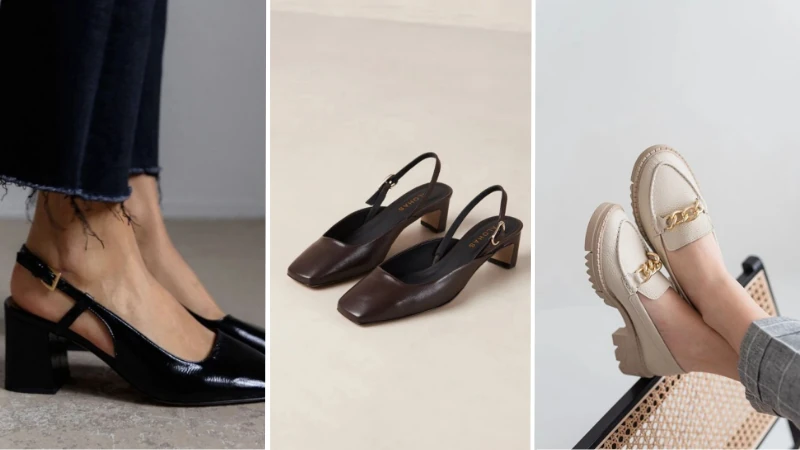
Stylish 15+ Shoes For Work Outfits That Complete Your Look

Most work-shoe advice treats your feet like an afterthought. You get either a sharp pair that punishes you by hour four or a “comfort” option that looks like it belongs at the grocery store, not in a meeting. The problem isn’t that good shoes don’t exist — it’s that most guides stop at recommending styles without explaining how to spot construction that actually supports a 10-hour day. Shoes for work outfits have to do more than match your blazer. They need to survive your commute, your standing desk, and the client meeting where you can’t afford to fidget. That means looking at how they’re built, not just how they look.
Getting the balance right starts with understanding what comfortable work shoes actually deliver. And if your current rotation feels stale, office outfit ideas give those shoes a reason to work.
22 Shoes For Work Outfits Women Actually Keep Wearing
These aren’t the shoes that sit in your closet waiting for a “special” day that never comes. They’re the ones you reach for at 7 a.m. when you’re already running late, the ones that survive a train platform gap, a dropped lunch, and a surprise client meeting without falling apart—or hurting your feet. If you need more outfit-level inspiration, we’ve already mapped out work shoes outfit ideas that incorporate these exact styles. We’ve grouped them by silhouette so you can find your starting lineup, then fill in the gaps as your dress code allows.
The Polished Loafer
A good loafer does the heavy lifting in a work wardrobe: it slides on in seconds, stays comfortable through a commute, and sharpens any cut of trouser. The ones here avoid the bulky “borrowed from the boys” look, offering a sleek fit through the waist and a toe shape that reads intentional. These pair easily with everything from business casual combinations to full suits.
The Classic Horsebit Loafer

by Pinterest
A black leather loafer with a gold horsebit and slim-fit pants is the uniform of someone who means business. The low-profile silhouette slips under hems without bulk, and the hardware catches light just enough to break up an all-black look. The sleek, structured last gives a tailored fit around the midfoot without squeezing the toes. To avoid a monochrome void, add a textured bag or let a silver watch provide a cool contrast to the warm gold. This is the shoe you wear when you want authority without a heel. It’s also a smart choice for traveling between offices—slip it off at security and back on in seconds.
The Chunky Horsebit Loafer

by Pinterest
This version trades a rounded toe and chunky sole for extra stability and a modern silhouette. The gold horsebit still anchors the look, but the heavier tread makes it practical for slick lobby floors or a dash through a rainy parking lot. Wear these with cropped straight-leg trousers; the bold sole demands a clean cuff that stops right at the ankle to avoid visual clutter. The indoor daylight setting here makes it clear: this is a workhorse, not a delicate museum piece. It’s slightly heavier than a traditional dress shoe, but the payoff is a planted, comfortable stride even after eight hours.
Cream Loafers + Tailored Trousers

by Pinterest
A cream leather loafer with a gold chain sits atop light beige tailored trousers in this close-up that practically purrs. The neutral palette is a cheat code for looking expensive without trying. The chain adds a contemporary bite that reads ‘fashion person’ rather than ‘bank lobby.’ Stick to slim or straight cuts on the bottom to let the loafer’s long line do its work. Cream leather shows scuffs faster than dark shades; keep a white magic eraser sponge in your desk drawer to buff away light marks immediately. This is the shoe you wear when you want to feel pulled together on a day without trying left.
Beige Loafers + Gray Plaids

by Pinterest
Beige leather loafers with a gold chain detail anchor gray plaid tailored trousers for an outfit that’s preppy but modern. The chain echoes the metal finish on your watch or belt buckle, pulling the look together. The woven chair behind this shot hints at a smart-casual office where personality is welcome. These loafers work because the almond toe and narrow waist keep the shape clean—there’s no clunk here. When mixing patterns, let the trousers be the star; keep your top solid and your bag unfussy. Pair them with a cashmere crewneck or a crisp poplin shirt for an instantly polished Friday look.
Bow-Embellished Patent Loafers

by Pinterest
Black patent leather gets a dose of femininity with oversized satin bows perched on the vamp. The low stacked heel sets them apart from a flat, giving just a whisper of lift. The clean white background and display block signal a shoe that expects to be noticed. Wear these with a shift dress or ankle pants for an outfit that says you pay attention to detail. The bows add softness but stay professional—just keep them away from rolling desk chairs that can snag the fabric. Patent doesn’t stretch, so size up if you’re between sizes; a blister from a too-snug patent shoe takes weeks to heal.
The Preppy White-Sock Loafer

by Pinterest
Black leather loafers paired with white ribbed crew socks and bare legs is a look that’s equal parts retro and right now. This works in offices that tolerate a creative twist on traditional dress codes. The loafers themselves are classic—structured, low-profile, with just enough sole to feel grounded. Try this with a midi skirt or cropped trousers to show off the sock transition. The key is a sock that hits just above the ankle bone with a fold-over cuff; anything shorter cuts the leg, and anything taller turns the look into a school uniform. It’s an instant mood-lifter on a day you’d rather be anywhere else.
The Sharp Flat
The notion that flats are a compromise is outdated. These pairs hold their own in a conference room, thanks to clean lines and intentional details. No dirty ballet-slipper vibes here. In fact, comfortable shoes that look good are the holy grail.
Bow-Detail Ballet Flats

by Pinterest
Black patent ballet flats with a delicate satin bow sound sweet, but the glossy finish and pointed-toe shape keep them sharp. They’re shown on a white bedspread like a prized possession—and they should be. These work for days when your feet are already tired before you leave the house. Wear them with cropped pants or a midi dress, and let the bow add a feminine point without veering into twee territory. The brand labeling here is a reminder that style doesn’t demand a luxury price tag. Patent leather doesn’t stretch, so if you’re between sizes, go up a half size to avoid toe pressure that can cause lasting damage.
Taupe Pointed-Toe Flats

by Pinterest
These taupe pointed-toe flats sit in a flat-lay with open magazine pages, the kind of shoe you wear when you want to look thoughtful and current. The neutral color works with navy, gray, and burgundy, making them a versatile player in any rotation. The textured knit backdrop hints at a cozy but polished aesthetic. Wear them with a blazer and slim pants, or with a sweater dress when the office AC blasts. A pointed toe can pinch if the box is too narrow; look for an “almond” shape that tapers gradually and leaves room for your toes to lie flat. They prove flats don’t have to be a style sacrifice.
Sleek Slingback Flats

by Pinterest
A black pointed-toe slingback flat held near a paper document suggests a woman who moves quickly and doesn’t fuss with straps. The slingback silhouette offers the breathability of a sandal with the coverage of a closed-toe shoe—a smart compromise for temperate offices. The slim, low-profile shape keeps the look professional and avoids the ‘frumpy office flat’ trap. Pair these with cropped trousers or a pencil skirt to show off the ankle and that crisp pointed toe. Choose a pair with an elasticized back strap if your heels are narrow; rigid straps slip off and create a tripping hazard.
Chain-Accent Slingback Flats

by Pinterest
Beige pointed-toe slingback flats with a gold chain detail and a clever clear back strap that nearly disappears against the skin. The clear strap is a sneaky tool for elongating the leg line—no harsh horizontal break. The patterned wood floor beneath them adds a touch of warmth. These work well with midi skirts or wide-leg cropped pants, and the neutral beige shifts seamlessly from summer to winter with the right hosiery. They’re a quiet design moment that signals you know what you’re doing. Keep a small bottle of clear nail polish handy to re-seal the strap edges if they start peeling; that quick fix can double the life of the shoe.
The All-Day Heel & Boot
These are the shoes that put structure under your stride without the 5 p.m. foot-ache. Block heels, low profiles, and smart straps make them viable for a day that includes standing, walking, and the occasional sprint for an elevator. Pair any of these with a sharp blazer for instant polish.
Pointed-Toe Ankle Boots + Tights

by Pinterest
Dark brown leather ankle boots with a block heel and sheer black tights make a sleek, leg-extending pair. The subtle faux-fur bag adds texture without bulk. These boots work through fall and winter, holding their own under wide-leg trousers or peeking out from a midi hem. The pointed toe keeps the look elongated and polished, even after a long day. Choose a style like this when your commute involves cold platforms or slushy sidewalks. When wearing ankle boots with a dress or skirt, aim for a hemline that sits just above the boot shaft; a gap of more than two inches distracts, but the sheer tights bridge the transition nicely.
Cream Mary Janes with Denim

by Pinterest
Cropped wide-leg jeans get a polished upgrade with cream Mary Jane block-heel pumps and a green quilted bucket bag. The round toe and ankle strap keep the shoe secure and comfortable, even on cobblestone streets. This outfit reads casual but intentional, perfect for a relaxed office or a day you’re out meeting contacts. The Mary Jane shape softens the denim, so you look put together. On days you want a break from serious suits, this is your friend—especially for casual days at the office. The low block heel is walkable for hours, but the strap prevents your foot from sliding forward—a common issue in backless styles that causes toe jamming.
Ankle-Strap Block Heels

by Pinterest
Cream pointed-toe ankle-strap pumps meet a white dress with a black abstract floral print—an outfit that says you’re not afraid of a little personality. The structured block heel gives height without the wobble. Keep the hem above the knee or go for a midi to let the shoes do the talking. These are the heels you pack in your work tote for a day-to-night transition. Ankle straps are a smart choice if you tend to walk out of pumps: they lock the heel in place, which means your toes don’t have to grip the shoe to hold on. This reduces the burning sensation under the ball of the foot by hour four.
Patent Slingback + Cropped Trousers

by Pinterest
Black patent leather slingback block-heel pumps paired with dark navy cropped straight-leg trousers. The slingback silhouette slices away the visual weight of a full pump, making the ankle appear longer. The gold-tone buckle hardware on the strap matches the shoe’s glossy finish, so it reads as one cohesive piece. This is a reliable choice for days when you’ll be mostly at a desk but need to look authoritative standing up. Pair it with a silk blouse for instant polish. To prevent the slingback strap from digging in, apply a strip of moleskin to the inside of the strap before the first wear; it creates a cushion that eliminates blisters.
Sculptural Heel Slingbacks

by Pinterest
Dark brown patent slingback pumps with a sculptural mid-height heel and gold-tone buckle. The glossy finish catches the light without shouting, and the sculptural heel adds a fashion-forward edge that’s still office-appropriate. The nude manicure and neutral upholstered background reinforce the upscale, modern feel. These work for presentations or events where you want to look current, not stiff. Wear them with a midi dress or tailored wide-leg pants to let the heel shape shine. Sculptural heels often have a wider base than a classic stiletto, improving stability, but they’re not invincible; avoid cobblestone paths that can chip the decorative shape.
The Kitten Heel Pump

by Pinterest
A black pointed-toe kitten heel pump with a slim, low profile sits against a soft studio background. This is the shoe that whispers ‘I know exactly what I’m doing.’ The sleek, pointed shape works with cropped trousers or pencil skirts without overwhelming the look. It’s a compromise for women who need a heel but refuse to suffer. Keep a pair in a drawer for surprise client meetings—they instantly sharpen any outfit. A kitten heel under two inches spares your arches the severe angle of a high stiletto, but the needle-like metal tip can catch in sidewalk cracks; check the tip weekly and replace it the moment it wears down.
Brown Slingback Block Heels

by Pinterest
Dark brown slingback pumps with a low block heel and gold-tone buckle, photographed against a neutral beige background. The dark brown shade is a softer, warmer alternative to black that still holds its own in a professional setting. The slingback adds an airiness, while the block heel offers stability for walking. Wear these with navy or ivory trousers, or with a burgundy pencil skirt for a tonal look that feels deliberate. Brown leather can show scratches more easily than black; a quick buff with a colorless shoe cream once a month keeps the finish even and rich. They bridge summer and winter seamlessly.
Low-Heel Patent Pumps

by Pinterest
Black patent low-heel pumps with a gold-tone buckle detailing complement wide-leg black trousers. The low, structured heel and slightly squared toe provide more room and comfort than a severe point, yet the glossy finish keeps them polished. This look is minimalist and sharp, perfect for an office that values quiet authority. The gold buckle adds just enough interest to keep the outfit from reading as an uniform. Wear them when you need to project composure without sacrificing the ability to actually walk across the office. Patent leather can squeak; dust the inside with a little baby powder to reduce friction between your foot and the insole.
Satin-Toe Bow Pumps

by Pinterest
Black leather low-heel pumps with satin toe caps and black ribbon bows that end in silver-tone aglets. The flat-lay on a jute ottoman showcases the thoughtful details: the satin cap adds a delicate contrast to the matte or smooth leather body. The bow and aglets turn a basic work pump into something personal and distinctive. Pair these with a tailored sheath dress or slim trousers—the low heel means you can stand through a networking hour without discreetly kicking them off under a table. Satin is unforgiving with stains; spray the toe cap with a fabric protector before the first wear, and keep them for indoor days only.
The Power Pump
When the stakes are high and the dress code leans formal, these pumps rise to the occasion. They’re not for everyday, but for the days when you need to command the room from the moment you walk in. For more on building a corporate look, we’ve broken down the essentials.
The Classic Pointed Stiletto

by Pinterest
Black patent leather pointed-toe stiletto pumps, displayed with a decorative lantern and branded box. This is the archetype of the work pump—sharp, glossy, and unapologetically formal. The pointed toe elongates the leg, but the steep pitch puts pressure on the ball of the foot, so these are a sit-down meeting shoe or a presentation shoe. Reserve them for client dinners or company-wide events where the dress code is strictly tailored. Stilettos need heel tip replacements every few months; a $5 metal tip from a cobbler silences the tell-tale clicking of a worn-down plastic tip and prevents slipping on hard floors.
Nude Stilettos + Ankle Chain

by Pinterest
Nude patent pointed-toe stiletto pumps paired with a gold chain anklet on warm wood flooring. The nude shade visually extends the leg, a trick stylists trot out every season. The gold chain adds a personal style note without undermining the shoe’s formal role. Wear these with a monochrome dress or a skirt suit to let the leg line dominate. They’re high-impact, low-tolerance for long walks, so stash a pair of foldable flats in your bag for the walk to and from the car. Choose a nude that’s no more than two shades lighter than your skin tone; too pale and the effect reverses, making feet look blocky.
High Block Heel Pumps

by Pinterest
Black pointed-toe pumps with a structured high block heel, shown with black cropped tailored trousers in a studio setting. The block heel provides more surface area and stability than a stiletto, but the height still reads formal. The monochrome black palette creates a long, unbroken line that’s slimming and authoritative. This is the pump you wear to lead a boardroom presentation or to meet senior leadership. The cropped trousers let the shoe take center stage, so keep the hem sharp and the fabric structured. Look for a small platform under the forefoot; it reduces the effective heel height by about half an inch, lessening the angle on your foot.
The orthopaedic reality most work shoes ignore
Cushioned marketing: Most brands label their shoes “cushioned” but skip real arch support. A rigid shank running mid-foot or a deep heel cup prevents metatarsal fatigue—without those, you’re standing on foam that collapses by hour four, leaving your arch to strain alone.
Heel height biomechanics: A 1.5–2-inch block heel distributes pressure safer across your foot than completely flat ballet flats. Flats strain the plantar fascia over a full workday because they offer no heel rise to reduce tension. Most guides recommend plush padding. I’d argue you need structure over squish, because a slight lift with midsole integrity keeps fatigue at bay better than any cushion alone.
Three under-discussed conditions: Plantar fasciitis, tailor’s bunions, and neuroma all link to tight toe-boxes or high heel-to-toe drops. Early tingling in the ball of your foot or arch is a warning—ignoring it can mean months of recovery later, not just soreness at happy hour.
Orthotics aren’t just for diabetics: A $50 over-the-counter insole with a contoured heel bed and metatarsal pad makes dozens of pairs instantly wearable. Most comfort issues stem from lack of midfoot support, not the shoe itself, so upgrading this layer often fixes fit across multiple styles.
Decode construction: A shank that resists bending mid-foot, a stacked wood or composite heel (not hollow plastic), and a leather insole that molds to your foot—these signal real support that lasts beyond the return window.
What your Shoes For Work Outfits silently communicate at work
Heel height code: In conservative sectors, a 2-inch block heel reads as competent; above 3.5 inches signals party. Creative fields invert this—a higher heel can show style authority. Know your industry’s unspoken rule before client meetings, because that detail gets judged in the first handshake.
Scuffed toes matter: Worn-down heel tips and scuffed leather lower perceptions of attention to detail directly. Peer reviews often deduct composure points based on footwear condition alone, so inspect your soles monthly—a $3 heel tip replacer prevents this silently.
Loafer fit: “Borrowed from the boys” loafers can backfire if the last is too bulky. A slightly narrowed waist and almond toe reads as intentional, not oversized. The conventional take is that any loafer projects authority. That misses how fit alters perception—bulk can make you look clumsy instead of in charge.
Color psychology: Oxblood or deep navy conveys confidence without aggression, while patent leather or metallics often get tagged as “evening” in a boardroom. A single color pop in your shoes toward a professional look blends personality with judgment better than a full statement heel.
Open-toe rules: In Miami, open-toe shoes in client meetings are standard; in Chicago, they breach unwritten norms. Advertising accepts them, law firms rarely do. Skip the awkward non-feedback by observing what senior women in your office actually wear first.
The cost-per-wear approach that saves you money
3-pair rotation: A structured leather flat, low block-heel pump, and ankle boot cover 90% of office outfits. A $200 pair worn 80 times costs $2.50 per wear; a $60 pair that fails after 20 wears costs $3. Use rotation to stretch lifespan—pair it with stylish office looks without constant replacements, and your annually cost drops noticeably.
Leather quality: Italian full-grain leather scuffs less than corrected-grain “genuine leather.” Check the style code on price tags—it often reveals the tannery, hinting at durability. You’ll hear that investment pieces save money. The better move is to verify leather grade first, because many “premium” labels use cheap materials that fail after a season.
Refurbishment programs: Brands like Allen Edmonds, Rothy’s, and Nisolo offer resoling or refurbishment. A $40 drop-off can triple a shoe’s life, but most women never discover these services. Search your brand’s website for repair options before discarding—it’s often cheaper than buying new.
Pre-owned advantage: eBay and Poshmark have high-end work shoes with light sole wear. Look for “barely worn outsole” photos and request close-ups of heels—Goodyear welted styles often have years left at half price, because the construction allows easy resoling later.
Commute reality: Snow, salt, or heavy rain flips the math. A $50 waterproof leather-look pair that handles salt stains without destroying your soul may beat a $300 investment you dread ruining. In harsh weather, replaceability matters more than longevity.
The break-in method no one has time for, but actually works
Simulated workday: Wearing new shoes around the house for 15 minutes is useless. Instead, stand at a makeshift desk, pivot often, and walk on hard floors for 20-minute blocks. This mimics office conditions and reveals real friction points before your commute punishes them.
Freezer bag trick: Fill a sturdy zip-lock with water, insert it at the tight spot, and freeze overnight. Ice expands precisely where it hurts, stretching unlined leather without distorting the whole shoe. Never use on patent—it’ll crack. The cold targets pressure without a cobbler visit.
Cobbler’s stretching routine: Pair a stretching spray like FootMatters with a ball-and-ring stretcher. Spray the tight area, insert the stretcher, wait 24 hours, repeat once, then wear with a gel sleeve. It can open a toe box width in two days without professional help—schedule this on a weekend.
Silicone toe separator: For bunions or wide forefeet, wear a silicone separator inside the shoe during break-in. It redistributes pressure to correct joint positions, reducing the pain that can cause lasting nerve damage from a bad break-in.
When to quit: If after three wear attempts you still shift weight off the ball or curl your toes, return them. The last shape never fit you, and no break-in will fix that. Loving the look isn’t worth months of foot pain—check the return window and move on.
The 5-minute work shoe rescue kit every woman should keep in her office
Hydrocolloid Blister Patches: Swap moleskin for a hydrocolloid patch like Compeed.
It forms a gel cushion that stays in place through sweat and friction for a full workday. Apply the patch to clean, dry skin before you pull on tights or hosiery — it grips best then, preventing the blister before it forms instead of just padding over an open wound.
Foldable Ballet Flats That Read as Real Shoes: Skip the slipper-looking pairs and choose one with a visible stitched sole edge and a memory foam insole.
Brands like Butterfly Twists build a structured heel counter into flats that fold in half. The stitched sole border is the detail that signals “intentional shoe” not “hotel freebie,” so you can switch from crumbling heels to an office-appropriate flat in 30 seconds and still look deliberate.
Shoe Deodorizer Without the Perfume Cloud: A tiny spray bottle of cheap vodka cut with an equal part water kills the bacteria that cause odor.
Spritz the inside lightly after you take your shoes off and let them air dry overnight — the alcohol evaporates in minutes, taking the odor source with it. Unlike scented sprays, it leaves zero chemical residue or powdery charcoal dust that can stain hosiery.
Emergency Heel Tip Replacer: A $3 metal tool with a built-in hammer cap lets you tap in a new tip in under a minute without taking off the shoe.
Stash one in your drawer — a worn-down heel tip not only sounds terrible on hard floors but grinds down the heel stem, ruining the shoe permanently. The tool is smaller than a pen; you’ll never have to hobble to a cobbler mid-meeting again.
Clear Anti-Slip Sole Grips: Cut-to-fit adhesive strips like Kiwi Sure Steps turn slick leather soles into non-slip surfaces on polished marble or concrete.
Apply them only to the forefoot and heel strike zones, not the entire sole, so they stay invisible. They peel off cleanly with no residue, so you can remove them for carpeted days without damaging leather bottoms — a silent fix for lobby floors that feel like an ice rink.
FAQ
Why do my feet swell at work and how do I choose shoes that accommodate that?
Feet regularly expand up to half a size by late afternoon from fluid pooling after hours of sitting or standing. Shop for work shoes in the late afternoon to match that swollen state, and pick styles with adjustable straps, lace closures, or unlined soft leather that stretches without pinching. If a pair feels snug when you first try it on in the morning, it will feel punishing by 4 p.m. — size up half a size and use a heel grip or tongue pad for a secure early-day fit that adjusts as swelling kicks in.
Can I wear orthopedic shoes without looking like I’m ready for retirement?
Yes — many European comfort brands now hide serious arch support inside streamlined silhouettes. Stick to styles with removable footbeds so you can slide in your own orthotics, and avoid visible “comfort” tells like thick rubber soles or rocker bottoms. Pointed-toe orthopedic options exist, and today’s comfortable work shoes prove you don’t have to choose between your feet and your reputation.
Is it professional to wear sneakers to work if they’re expensive designer ones?
In business casual settings, a minimalist white leather sneaker with zero visible logos and a slim cupsole can read as intentionally modern. Any mesh, neon accent, or obvious athletic branding instantly pushes the shoe into gym territory. In traditional offices, reserve them for non-client days only — even a $400 designer sneaker is still a sneaker in a room full of loafers and pumps.
What do I do about foot odor in closed-toe work shoes?
Never wear the same pair two days in a row — that alone eliminates most odor-causing bacteria by letting the shoe dry fully. Use unfinished cedar shoe trees overnight to absorb moisture naturally, and spray the inside with a 50/50 mixture of water and white vinegar once a week. Perfumed sprays mask the problem for about a hour; the acid in vinegar actually kills the bacteria without leaving a lingering scent.
How often should I replace my work shoes?
Inspect them monthly: if the outsole tread is worn smooth at the ball or heel, or the midsole shows deep creases with no rebound when you press it, they’re done. For a pair you wear daily, that’s typically 8–12 months. Rotating between three pairs (start with a smart work shoe foundation) extends each to 18 months or longer because the materials recover between wears.
Are pointed-toe shoes really that bad for my feet?
Only if the toe box is too short or compresses toes sideways. A modern almond point that follows your foot’s natural shape with a gradual taper and generous length is perfectly safe, especially when paired with a low heel. The real culprit is narrowness, not the point itself — your toes shouldn’t be forced to overlap or curl inside the shoe.
How can I make heels more comfortable for standing all day?
Choose a block heel with a slight platform under the forefoot — that platform reduces the effective heel angle by up to half an inch, easing pressure on the ball of your foot. An ankle strap prevents your foot from sliding forward and jamming toes into the front, which is the true source of most heel pain, not the height alone. Skip stilettos entirely if you’ll be on your feet; a stacked block heel distributes your weight far more safely.