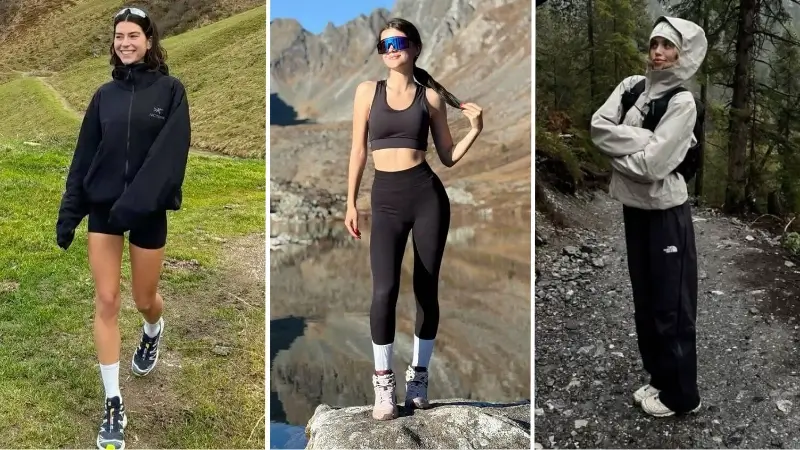
Gear That Never Looks Good? 21 Hiking Outfit Ideas

Hiking Outifts should solve problems you didn’t plan for: sweat that chills you at the crest, seams that rub your thighs raw, and a sports bra that floods your waistband. The usual advice—wear moisture-wicking, avoid cotton—barely scratches the surface. When you’re deciding what to wear hiking, you need a system that works from start to finish, not a pile of gear pulled from a list. This article connects the dots between fabric, fit, and the way your body actually moves on the trail.
If you’re planning longer treks, our guide on trekking outfits tackles similar issues at greater mileage. For multi-day trips where packing weight matters, backpacking outfits offer built-in solutions for carrying gear efficiently.
21 Hiking Outfits That Actually Work on the Trail
Stop scrolling past staged summit shots. These 21 hiking outfits solve real sweat, real weather, and real-body frustration—no catalog styling, no cotton disasters. Each one is built around a specific trail problem, whether it’s the chafe that kicks in at mile three or the layer that turns you into a portable sauna. I’ve organized them by what you’ll actually face: sun, cold, layers, and the silent need to feel like yourself when you’re dusty and miles from the car. Think of this as the missing middle between hiking outfits that look good on Instagram and gear lists that read like a technical manual.
For Sunny Miles
When the forecast says hot and the tree cover is sparse, these outfits prioritize air flow and sun protection without falling into the “I’ll just wear whatever” trap. Shorts are your friend—biker, loose, or anywhere in between—but they demand a few smart moves to avoid chafe and burned thighs. These are the quick outfits you reach for when you want trail time, not mirror time.
The Gray Sweatshirt Setup

by Pinterest
An oversized light gray sweatshirt, black biker shorts, and white trail sneakers—this is the uniform for the hike that starts with a cool breeze and ends with you rolling up your sleeves. The monochrome palette looks pulled-together without thought. A black baseball cap and dark sunglasses finish the look—swap the cap for a wide-brim if the trail is fully exposed. What you don’t see: those white crew socks are doing the real work, preventing heel rub when your feet swell after mile four. This outfit goes from trail to taco spot without a second glance.
The Knotted Layer Move

by Pinterest
Black oversized T‑shirt, black fitted bike shorts, and a brown sweatshirt tied across the chest—this is one of those cute simple outfits that functions as two layers without adding bulk to your pack. The knotted sweatshirt gives you a full sleeve if the breeze picks up, and the biker shorts stay put without creeping up—something yoga shorts rarely manage on a climb. Silver bracelets are a small detail that says you didn’t just roll out of bed. That crossbody bag is smarter than a hip pack; it won’t interfere with your stride or catch on branches.
The Sagely Layer

by Pinterest
A faded sage green crewneck, loose shorts, and a baseball cap—this is what you wear when you want to be outside but you’re not trying to set a pace. The sweatshirt is oversized enough to let air circulate, and the shorts should hit mid-thigh so they don’t roll up during a scramble. A wristwatch keeps your phone in your bag where it belongs. Wear a thin long‑sleeve underneath if the morning is cool; you can strip it off and stuff it in that crossbody without opening your pack. The trail sneakers are light and the green hue disappears into the woods—in the best way.
The Layered Legging
A good leggings outfit isn’t just about stretch—it’s about seams, waistband height, and how the layers above it interact with your pack. These five looks use leggings as the non-negotiable bottom, then build up with pieces you can peel off or add back without breaking stride.
The Red Bandana Edge

by Pinterest
A slightly oversized white tee and gray fitted leggings—the base is simple. The red bandana tied over your hair keeps flyaways out of your sunglasses and adds the only color this outfit needs. Tan hiking shoes with white socks bring an utilitarian finish. This is the outfit for that alpine ridge where the sun is strong but the air stays cool. Make sure those leggings have a gusseted crotch; a single center seam will remind you it’s there after a hour of uphill. Add a bracelet, and you’re basically trail-chic without trying.
The Tied‑Flannel Trick

by Pinterest
Olive tank, black leggings, and a plaid flannel knotted at your hips—this solves the “I might need a layer but don’t want to carry it” dilemma instantly. The flannel doesn’t bulk up your pack, yet it’s there for wind or a post‑hike coffee on a chilly patio. Tan boots with light gray socks give you ankle support without overheating. The smartwatch earns its spot tracking your ascent. The tank’s racerback cut needs to be wide enough that it doesn’t rub against your pack straps; a raw edge there will chafe your shoulders raw.
The Olive Graphic Mix

by Pinterest
An olive graphic sweatshirt with black leggings and white sneakers—it’s a streetwear look that actually works on dirt. The sweatshirt’s heft blocks wind and hides the sweat marks a thin top would broadcast. Light gray socks create a clean break between the leggings and shoes, so the whole thing reads intentional rather than “I forgot my pants.” A black cap pulls it together. Opt for a sweatshirt with a ribbed hem that doesn’t ride up when you reach for a handhold; you don’t want to flash belly to the trail behind you.
The Cozy Olive Pullover

by Pinterest
Olive green oversized sweatshirt, black leggings, and sturdy brown boots with red laces—this is the outfit for a leaf‑peeping hike when warmth and mobility are both non‑negotiable. The red laces are a tiny rebellion against all‑beige trail norms. White crew socks poke out just enough to stop the boot cuff from digging into your shin. The crossbody bag keeps essentials handy without unclipping your pack every time you want a snack. Choose leggings with a high, wide waistband; a low‑rise cut will roll down under your pack’s hip belt and drive you to distraction.
The Plaid Overshirt Moment

by Pinterest
Brown plaid flannel open over a light gray graphic tee, black leggings, and tan hiking boots—this outfit balances cabin‑core aesthetic with actual sweat‑wicking function. The flannel is loose enough to vent heat when you unbutton it, but it still blocks wind on the descent. Tuck the water bottle into your pack’s side pocket, not a hand, so you keep your arms free for trekking poles. The white cap keeps your face in shade all morning. Striped socks like these aren’t just cute; the knit texture creates tiny air channels that reduce blister friction better than a plain weave.
The Cold‑Trail Kit
When normal winter outfits won’t cut it because you’re working up a sweat, these four looks lock in heat without suffocating you. The trick is choosing insulation that breathes and cuts the wind only where you need it.
The Fleece Layer Gateway

by Pinterest
A cream fleece pullover, black leggings, and a green knit beanie—this is what you wear when the temperature hovers in the 40s and you’re not sure if you’ll warm up. The half‑zip lets you dump heat without taking the whole thing off. Gray hiking boots with a solid tread handle muddy patches, and the white socks create a clean cuff above them. Pick a beanie that covers your earlobes; cold wind on bare cartilage is a fast way to a headache at elevation. The light‑colored backpack doesn’t soak up sun, which matters more than you think when you’re exposed.
The Yellow Vest Brightener

by Pinterest
A mustard yellow quilted vest over a cream fleece sweatshirt, olive leggings, and gray wool socks—this gets you from a chilly gondola ride to a windy summit without freezing. The vest keeps your core warm while your arms stay free to move, and the sweatshirt underneath wicks any sweat that builds on the climb. Small gold hoops add a hint of polish but are light enough you won’t feel them under a beanie. Wool socks are non‑negotiable in cold; even if your boots get damp, wool insulates rather than turning into an ice pack like cotton.
The Sherpa Pullover Layer

by Pinterest
A cream sherpa fleece quarter‑zip over a black turtleneck, black leggings, and black boots with green laces—this is the outfit for a frozen‑mist morning when visibility is low but the climb is real. The sherpa traps heat without weight, and the turtleneck base layer seals out drafts. Striped socks peeking out break up the dark leg line. If you run cold, tuck your base layer into your leggings; that single overlap stops a world of cold‑spot misery where your back is exposed. You’ll be the warmest one at the trailhead.
The Black Puffer Standard

by Pinterest
Black puffer jacket, black leggings, and brown‑and‑black boots—a sleek, cold‑weather set that works because every piece pulls its weight. The puffer’s synthetic fill still insulates if it gets damp, unlike down. White crew socks reflect that you pay attention to the small things—they also make it easier to spot ticks before they get under your pant leg. The backpack with chest strap keeps the load steady on slick descents. Check that the puffer has a two‑way front zipper; you can unzip from the bottom to vent heat without letting cold air hit your chest.
The Wide‑Leg Way
Wide‑leg pants on the trail sound like a fashion risk, but when you find the right fit they ventilate better than anything slim. These looks borrow the trekking outfit women actually want for all‑day comfort and add polish that doesn’t scream for attention.
The High‑Contrast Alpine Look

by Pinterest
Black waterproof jacket, beige wide‑leg hiking pants, and silver hoop earrings—this is the outfit for when you want to look competent and cool traversing a mountain meadow. The wide‑leg silhouette allows air to move, preventing the swampy feeling that slim hiking pants trap. Wraparound sunglasses block glare from every angle, and the backpack’s chest and waist straps keep the load tight on scrambles. Make sure the pants have an adjustable drawcord at the ankle; without it, mud flicks up onto the back of your calves.
The Quiet Alpine Gray

by Pinterest
Light gray shell, black wide‑leg pants, and a white beanie—this outfit leans into the misty forest mood without giving up on shape. The shell’s hood is essential when drizzle starts, but the real win is the pants: black wide‑leg cuts that don’t cling to your calves when you step over a fallen log. White sneakers will get dirty, and that’s the point. Pack a second pair of socks in the black backpack if the trail is wet. Opt for a shell with pit zips; unzipping them before you start sweating is the difference between a comfortable climb and a clammy one.
The Bandana‑Tied Alpine

by Pinterest
Dark olive jacket, beige wide‑leg pants, and a green patterned bandana tied at the neck—this outfit blends polish with pure utility. The bandana catches sweat before it drips into your collar and doubles as a quick face shield if the wind kicks up dust. Silver oval sunglasses and small hoops keep the look intentional. Brown hiking boots anchor the silhouette. Look for pants with a gusseted crotch and a slight stretch; wide‑leg styles without stretch can restrict your stride on steep steps. With that pack integration, this crosses into backpacking outfits territory easily.
The Alpine Cream Layer

by Pinterest
White long‑sleeve, beige sherpa vest, and cream wide‑leg cargo pants—this reads fresh and cold‑weather ready without looking like you raided a ski lodge. The vest lets your arms move freely while your core stays toasty, and the pants have enough room for a base layer underneath. Black boots ground the soft tones, and wraparound sunglasses keep high‑altitude glare from bouncing off snow patches. White beanies show dirt fast, so tuck it away when you’re snacking or reapplying sunscreen; a gust of trail mix dust will stain the crown.
The Alpine Lake Layer

by Pinterest
Cream quarter‑zip fleece and olive green oversized cargo pants—this is the outfit for that alpine lake hike where elevation makes it feel like October even in July. The cropped fleece ends right at your waist, so it doesn’t bunch under a pack’s hip belt, and the cargo pants hold snacks and a map without pulling your waistband down. Beige cap and dark sunglasses shield your face. Braid your hair tightly and tuck the end into your collar; loose hair snags on backpack straps and drives you insane within the first mile. Earrings remind you this isn’t a survival mission—it’s a beautiful day outside.
Performance Without Bulk
For high‑output days when you’re climbing hard and sweating freely, these looks prioritize active wear function with zero drag. Nothing flapping, nothing rubbing, nothing that holds moisture.
The High‑Output Crop Top

by Pinterest
Black sports bra crop top, high‑waisted black leggings, and light pink hiking boots—this is for the hike where you’re moving fast and overheating is the real enemy. The crop top eliminates armpit fabric that can bunch and chafe, while the high‑rise leggings keep your lower belly covered on scrambles. Mirrored visor sunglasses make it impossible to tell if you’re suffering—ideal for that final climb. White ribbed socks add a vintage gym touch. Apply an anti‑chafe stick at the point where the sports bra band meets your ribcage; that seam can saw through skin after two hours if you don’t prep.
The Cobalt Shell & Shorts

by Pinterest
Cobalt blue shell, black bike shorts, and beige trail sneakers—this outfit announces itself on the trail without screaming. The shell is light enough to stuff into your pack when the sun hits, but it’s windproof and water‑resistant when a cold front rolls in. White crew socks and oval sunglasses keep the contrast clean. This is the look that makes another woman at the trailhead silently wish she’d worn the same. Biker shorts with a silicone gripper at the hem won’t ride up; without it, you’ll be tugging at the leg openings every few minutes.
The Streamlined Shorts‑Jacket

by Pinterest
Black technical zip‑up jacket, fitted black shorts, and trail running shoes with neon accents—this outfit is built for the in‑between days when you need a shell but your legs want air. The jacket’s lightweight fabric blocks wind without turning into a sweatbox, and the shorts have a length that won’t chafe the inner thigh. White sunglasses perched on your head are ready to drop when the sun breaks through. Check the shorts’ inner liner; a brief‑style liner wicks better than a tight compression short and won’t ride up as you move.
The Sleek Black‑and‑White Hike

by Pinterest
Black zip‑up athletic jacket, white base layer, black leggings, and gray trail runners—the precision look for a cool summer morning on rocky alpine terrain. The fit is streamlined, with nothing loose to catch on a branch or pack strap. The white crew socks provide a crisp transition from legging to shoe, and the gray runners disguise the dust you’ll inevitably kick up. This is the outfit that moves with you, not against you. Opt for a jacket with a brushed inner collar; the soft fabric prevents the raw seam from sanding your neck when you’re working hard.
Why Your Hiking Outifts Keep Failing (It’s Not the Look)
The cotton myth that’s actually dangerous: That faded band tee soaks up moisture and holds it against your skin. When the temperature drops, damp cotton chills your core—a risk synthetic fabrics avoid by moving sweat away from you. Every item touching your torso needs to shed water, not absorb it.
The seam that’s causing the chafe you blame on your thighs: Overlocked seams in leggings have a raised ridge that rubs raw with each step. Flatlock seams, found in better hiking outfits, lie flush against your skin—that’s the difference between finishing a six-mile trail and limping back with stinging inner thighs. Look for the flat, interlocking stitch pattern when you shop.
Your sports bra is flooding your waistband: Compression bras push sweat straight down your stomach, soaking your shorts’ fabric and creating a damp band that chafes. Encapsulation bras, with separate cups, allow air to circulate and manage moisture better—this stops the skin breakdown that constant wetness triggers.
Socks: the one item that can wreck the entire outfit: Merino versus synthetic debates miss what matters: knit density. A dense weave grips your heel and prevents the slippage that causes blisters, regardless of fiber. Test socks by stretching them—a tight, uniform knit means your feet stay intact, not fiber labels.
“Waterproof” becomes a sauna when you forget this: A rain jacket without pit zips traps heat and sweat, turning your layered sporty outfits into a swamp in minutes. Breathability ratings (MVTR) aren’t on tags, but underarm vents tell you the jacket was designed to let air escape—always check for them before buying.
The Social Side of the Trail No One Talks About
The mirrorless hours effect: On the trail, no one is analyzing your outfit the way you do at home. Other women notice your demeanor and hiking pace, not whether your bra strap is visible. The pre-hike mirror stress fades once you realize the focus is on movement, not matching sets.
The silent group hike fashion hierarchy: In any women’s group, there’s an unspoken scale: the person in random functional gear who knows the route commands more respect than someone in coordinated layers who seems lost. Your clothing choices signal practical awareness, not style—competence reads through gear that works, not logos.
The Instagram hike trap: Wide-leg pants or cropped hoodies look good in one standing photo but require constant adjustment after two miles of walking. Most guides recommend dressing for the shot. I’d argue that’s backwards—because the mental fatigue of fussing with your clothes ruins the experience before any picture is taken.
Post-hike brunch without a full change: You’re damp and salty when someone suggests food. A packable sun visor hides sweaty hair, and a large button-down works as a cover-up over grimy shorts—pair it with a simple casual outfit base. A quick face wipe does more than a full wardrobe swap for feeling presentable.
Why a practical compliment hits deeper: When another woman murmurs “I wish I’d worn that” about your zip-off tights or wide-brim hat, it’s recognition that you solved a pain point she’s currently feeling. That real-world validation reshapes your confidence more than any mirror ever could.
The Hiker’s Hygiene That Saves Your Outfit (and Dignity)
The sweat pattern you don’t anticipate: Salt buildup stiffens fabric on your lower back, behind knees, and under pack straps, creating chafe points. A 30-second wipe-down with a damp cloth before the salt crusts keeps your active wear outfit soft and friction-free.
What to do when your period arrives on the trail: Black leggings aren’t safe—blood oxidizes to a visible brown stain. Use a menstrual cup or tampon with a thin, moisture-wicking liner from your first aid kit; these don’t chafe like pads. This keeps you comfortable and your clothing discreet without emergency changes.
Underboob sweat and the rash that follows: Even moisture-wicking bras leave skin damp. Apply a zinc oxide barrier cream under the band before you start—it forms a protective layer that prevents the rash better than anti-chafe sticks. Reapply at tree line, not when you already feel the burn.
The post-hike car ride that ruins everything: Damp, salty skin leads to back and chest breakouts if you don’t address it. Strip your top layer, blot dry with a microfiber towel, and use unscented, alcohol-free wipes to clean your skin. This stops your car seat from harboring bacteria.
Why deodorant isn’t the answer: Aluminum-based antiperspirants clog active sweat glands during sustained heat, causing painful bumps, while natural options fail after hour three. Instead, dust body powder inside your waistband and under bra straps—it absorbs moisture without triggering a rash, and you can reapply mid-hike from a small stash.
The One Thing About Layering That Gear Guides Get Wrong
The “active insulation” lie: Fleece without a grid pattern traps heat but not moisture, so you steam inside during a climb. A mechanical grid fleece lets vapor escape while retaining warmth—look for that texturing in your winter outfits mid-layers to avoid the suffocating bag effect.
The vest mistake almost every woman makes: Sleeveless insulation leaves your arms freezing while your core sweats. Most guides recommend vests for layering. I’d skip them entirely—because a lightweight full-zip jacket provides even warmth and is safer for any hike where wind picks up or temperatures drop.
Layering for sudden hot flashes or hormonal flushes: Adrenaline and uphill effort can spike your internal heat. Build a “rip-off layer” system with smooth-lining shells and magnetic closures so you can peel without removing your pack—this keeps you from overheating or stopping to adjust.
The sun hoodie that changes everything: UPF 50 fabric with a loose fit replaces sunscreen reapplication and clammy exposed arms. It’s a single-piece solution that handles humidity better than multiple synthetic layers—think of it as your base layer and sun shield combined, especially for simple casual outfits on exposed trails.
The packability test gear guides skip: A lightweight puffer that doesn’t stuff into its own pocket dangles behind your pack, catching on branches. Always test compressibility in-store: if it won’t pack neatly into itself, it’ll become a hike-ruining nuisance, no matter how light the specs claim.
The 3 Things Every Woman Forgets to Pack (And They Save Your Hiking Outifts)
There are a few women’s hiking essentials that never appear on a standard what-to-pack-for-a-hike list, but they have an outsized effect on whether your outfit survives the day intact.
Fabric tape in a tiny roll: Not fashion tape for cleavage—this is for the quick fix when a bra wire pokes through, a seam splits, or your sock slides down for the tenth time.
It holds, it’s invisible, and it takes no space. Tuck a two-inch strip into the coin pocket of your pack; you’ll forget it’s there until you feel a thread give way on mile four.
A silicone-coated hair tie (and one extra hidden in your key pocket): Not all hair ties survive humidity.
The ones with silicone grip keep your ponytail off your neck and don’t stretch out, which means less fussing with flyaways that get stuck in your pack straps. Hide a second one in your key pocket—you’ll use it when the first launches into a bush at the overlook.
A single-use body wipe — specifically for your face and neck: After 6 miles, the layer of salt, dust, and sweat on your skin feels horrible and it’s making your collar chafe.
The unscented, alcohol-free kind won’t sting your eyes, so you can go straight to brunch or the driver’s seat without that crusty feeling. One wipe takes less room than a granola bar and changes the entire post-trail experience.
A tiny locking carabiner: This isn’t for your keys; it’s for clipping a shed mid-layer to your pack strap instead of stuffing it damp into your pack.
A damp fleece sealed inside a pack steams whatever it touches, turning your dry base layer into a second-skin swamp. A locking gate keeps the layer from popping loose when you brush against pine branches or slide down a rock.
A flat, reusable zip-seal bag: When a sudden downpour drenches your rain jacket, you’ll want to isolate it from the rest of your pack.
Stuff the wet shell into the bag, seal it, and your dry puffy stays dry. The bag weighs almost nothing and saves you from that clammy, I-should-have-just-stayed-on-the-couch feeling twenty minutes before you reach the car.
FAQ
Can I wear yoga pants for hiking?
Technically yes, but most yoga leggings have seams that rub raw under a pack’s hip belt and fabric that pills on rock contact. Look for hiking tights with a reinforced seat and flatlock seams—those won’t chafe or fall apart. If your leggings outfit can’t survive a sit on granite, leave it at the gym.
Do I really need hiking-specific underwear?
If you’ve ever finished a hike with a raw bikini line, yes. Moisture-wicking, seamless, high-cut briefs prevent the bunching and dampness that lead to infection or chafe, and they dry faster than cotton blends.
How do I not look frumpy in a hiking outfit?
The trick isn’t brand logos—it’s silhouette. Choose a fitted base layer and a slightly oversized top layer (like a boxy sun hoodie or relaxed button-up). That single proportion contrast looks intentional even when damp and dusty, and it’s the same principle behind simple casual outfits that don’t try too hard.
Should I dress differently for solo hiking as a woman?
Your outfit itself doesn’t change much, but add a tiny personal alarm clipped visibly to your pack strap. Also, choose shoes you can run in—if you feel uneasy, you won’t want to be stuck in rigid boots.
What if I hate how my legs look in shorts?
Plenty of women wear lightweight hiking pants or zip-off convertible pants. Look for a loosely tapered, elastic-cuff style that doesn’t puff at the ankle—they ventilate through the fabric, not through bare skin, and hide exactly what you want without any performance loss.
Do I have to wear a sports bra that’s rated for high impact?
No, hiking is not high-impact. Choose a medium-support, high-moisture-wicking bra with a back closure so you can adjust mid-hike if your ribcage swells from exertion—a front-zip or racerback that’s stuck on you will drive you insane.
Is it weird to hike in a dress?
Not at all—a performance-fabric hiking dress with built-in shorts (or worn over bike shorts) is one of the most ventilation-friendly, chafe-resistant outfit choices you can make, especially in humid climates. Just check for a hidden drawcord so it doesn’t billow.