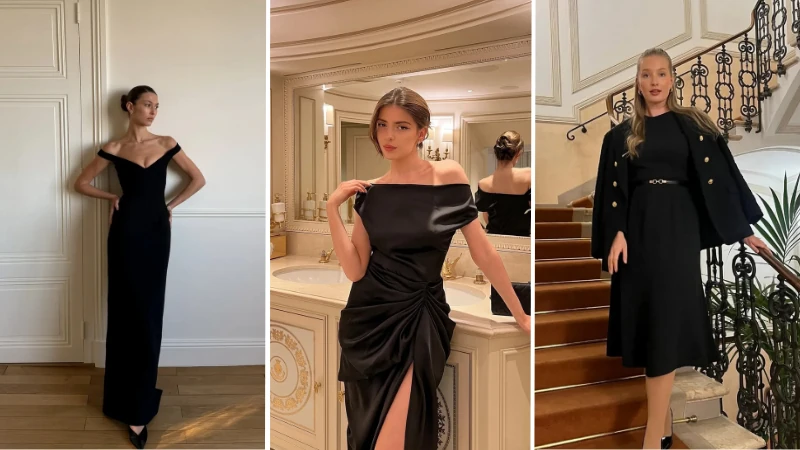
Elegant 15+ Formal Attire Women Looks That Steal the Show

You open the invitation and see “Formal Attire Women”—and suddenly the night feels like a test of unwritten rules rather than an evening to enjoy. That single phrase triggers a cascade of questions: floor-length or midi? What fabric? Can you wear a pantsuit? The problem isn’t that you lack options; it’s that the women’s formal dress code is rarely spelled out, leaving you to piece together formality from fabric, silhouette, and event type on your own. Selecting formal event outfits for women shouldn’t require a decoder ring—but until you know what actually makes an outfit land as “formal,” every choice feels like a gamble.
If you’re weighing the pantsuit route, see specific advice on how to style a pantsuit without looking like you’re heading to the office. For events where the formality sits one notch below black-tie, the semi-formal outfits for women guide helps you spot the difference in hemline and fabric weight.
23 Formal Attire Women Outfits That End Dress Code Doubt
If you’ve ever stared at an invitation that says “formal attire” and felt a wave of doubt, you’re not alone. The gap between what a women’s formal dress code demands and what most formal event outfits for women actually look like is wide. These 23 looks break down the invisible rules—from fabric weight to hem length—so you walk in with clarity, not a closet full of question marks. Each outfit comes with a specific tip or warning because the details are what separate a perfectly dressed guest from someone who just guessed.
The Understated Evening Gown
Not every formal event needs sequins. Sometimes a gown’s power lies in what it leaves out. These understated options rely on precise fit and luxurious fabric, not sparkle.
The Minimalist Black Crepe Gown

by @dcopperman
A slim-fit black crepe gown with black pumps. Three gold pieces—necklace, earrings, bracelet—are the only punctuation. No shimmer, no illusion panels. The gown’s strength is its cut: it should skim, not squeeze. A crepe gown this simple demands exceptional fit; factor in a tailor visit to adjust the shoulder straps and the hem before your first wear, because any pulling at the hip will show from across the room. It’s the kind of dress that works for a museum dinner, an opera night, or a wedding where you don’t know the couple well enough to wear personality. Understatement, when executed this precisely, is its own power move. This is the backbone of elegant, classy dressing.
The White Knit Column

by @whatemwore
A white knit maxi dress with a body-skimming cut, plus silver strappy sandals, a silver handheld clutch, drop earrings, and stacked rings. The knit’s texture gives it weight, so it doesn’t read as a beach cover-up. White knit under artificial lighting can turn sheer; always test with a phone flash photo from behind before the event. This is minimalism with a modern edge—perfect for a summer evening gala or a dinner on a terrace where a traditional gown would feel too heavy. The monochrome silver accessories prevent the look from reading bridal, which is the fine line any all-white formal outfit has to walk. Keep your clutch pointedly metallic, never lace or pearl.
The Black Crepe Foundation

A black crepe gown—sleeveless, floor-length—with black suede pumps and a white phone case as an unexpected contrast piece. The silhouette is classic, almost anonymous, which means your accessories and your posture run the show. A crepe gown this simple will show wrinkles if you sit carelessly; pull the fabric up slightly at the hips before lowering into a chair. This is the dress you build a formal wardrobe around: re-wear it with different jewelry, a capelet, or a velvet wrap, and it becomes a new look each time. For the woman who attends multiple formal events a year, this is the gala foundation that pays for itself.
Creamy Minimalism

by @_katiepeake
A cream crepe maxi dress—sleeveless, column-like—with a coordinating cream pouch handbag, gold drop pearl earrings, and a gold cuff bracelet. The single-tone palette elongates the body and reads as deliberate, not accidental. Cream photographs brighter than it looks in a mirror; before a formal event, check the dress under flash to ensure it doesn’t read as bridal or veer into transparency. The pearl earrings and sculptural gold cuff add texture without disrupting the monochrome. This is a look for an afternoon formal garden party or a dinner at an ambassador’s residence, where color would feel like noise. The cuff bracelet does the work of a necklace, so your neckline stays clean.
The Gown That Makes an Entrance
When the invitation says “black tie optional” or the ballroom chandeliers demand a bit of drama, these gowns deliver. Velvet, sequins, and all-white impact—styled with restraint to avoid costume territory.
Velvet Black-Tie Magic

A black velvet gown that hugs the body and falls straight—no train, no excess. A black leather clutch, kept small, plus gold earrings, a gold necklace, and a gold bracelet do the lifting. The sum is old-world glamour edited for modern taste. Velvet reads as evening the moment it catches light; wear it to any indoor formal event, but avoid it for outdoor summer ceremonies where the fabric’s weight clashes with the setting. The jewelry stays in one metal family because mixing metals here would dilute the richness. This is the gown you pack when the hotel ballroom chandelier is the only lighting you need. For more gala-specific looks, start with a fabric this decisive.
The Bodycon Knit That Reads Formal

by @livia_auer
A black bodycon knit maxi dress, black patent leather pointed-toe pumps, a black leather clutch, and one silver ring. The knit holds its shape without squeezing, which is the line between “formal” and “club.” Knit can go wrong fast if it’s too thin; look for double-layered or substantial ribbing so it doesn’t highlight what’s meant to stay private. This dress proves that formal doesn’t require a train or a corset—just fabric that behaves. Wear it to a hotel ballroom event or a winter charity dinner, where the temperature drops and a velvet wrap isn’t an option. The single silver ring is a lesson in restraint: one piece, well-chosen, outperforms a handful.
The Sequin Gown That Commands

A black strapless gown covered in sequins, paired with black pointed-toe pumps and a black clutch. The earrings are silver crystal drops, and the rings are gold-tone—a deliberate mix that works because the earrings frame the face while the rings stay low. Sequins can scratch each other during sitting; choose a dress with a lined bodice and test that your arms don’t irritate against the bodice sides. This is a full-on formal weapon, for the charity ball where you’re making rounds and need to be seen. Keep hair up, away from the sequins, so the texture appears intentional. A strapless sequin gown this slim says you understand that shine in a small silhouette is more modern than a puffy ballgown.
White Satin and Pearls

A white satin gown, slim and floor-length, styled with a loose white satin scarf, a white pearl clutch, and earrings that combine gold and pearl. The scarf adds a soft, old-Hollywood gesture without becoming a costume piece. White satin shows moisture—a drop of water from a hand-wash becomes a ring; carry a small white silk scarf for dabbing, not a paper napkin, to avoid lint marks. This is the gown for a milestone anniversary party or a gala where the dress code says “white tie optional.” The pearls keep the look within the formal stratosphere; rhinestones would yank it toward prom. The clutch is small, just enough for a lipstick and a phone, which forces you to edit what you carry.
Burgundy Sequin for the Spotlight

A burgundy bodycon sequin gown with black pumps and a white phone case as a deliberate non-fashion detail. The sequins flash with every turn, so you won’t need much else. Bodycon sequin dresses require a slip or lining that moves independently of the sequins; otherwise, the dress rides up with each step. This is a dress for the formal event where you want to be seen—an awards dinner, a milestone birthday, a black-tie benefit. The burgundy shade is a smarter investment than black because it’s less likely to be replicated in a room full of dark gowns. The black pumps disappear under the hem, making your legs look longer, which is the whole point of bodycon. No jewelry needed beyond the dress itself.
Navy Lace Romance

A navy blue lace maxi dress with a slim fit. Gold bracelet, gold ring, and a cream phone case. The lace is the only pattern you need, and the navy keeps it grounded in evening territory. Lace can tear on a purse clasp or a chair back; coat the inside of any metal clasps with clear nail polish to smooth the edges before the event. This dress is for a formal garden wedding or a cultural event where floral prints would feel too daytime. The gold jewelry is warm against the cool navy, and the cream phone case is a non-issue—slip it into a pocket or leave it in the car because a dress this intricate demands a distraction-free silhouette. The romantic feeling comes from the lace, not from ruffles or tiers.
Tailored for the Occasion
A dress isn’t the only path to formal. A sharply cut blazer, a fluid trouser, or a cape jacket can command as much attention—often with more authority. These tailored looks prove that structure holds its own at any event where you have something to say.
The Blazer-and-Midi Formula

by @ritajokinen
A black blazer cut from substantial wool-blend drapes over an A-line crepe midi dress. A slim leather belt cinches the waist, while nude tights and pointed patent-leather pumps keep the line long. Gold earrings add just enough warmth. The whole look reads as intentional, not layered out of desperation. This combination works best when the blazer’s shoulder seams sit precisely at your natural shoulder—anything oversized will swallow the dress’s structure and read as borrowing from someone else’s closet. For corporate-adjacent galas, this is the one-two punch that balances authority with formal polish, no new dress required. Business formal codes often expect this hybrid approach.
The Black Tailored Powersuit

by @livia_auer
A black wool-blend blazer and matching wide-leg trousers, cut with a hint of slouch but sharp at the shoulder. Black slingback pumps and a structured top-handle bag finish the look with museum-level polish. This is formal attire that doesn’t rely on a single ruffle. A pantsuit earns its formal stripes through fabric weight; a heavy crepe or wool-blend reads evening, while a lightweight cotton blend reads desk-to-dinner and misses the mark. For an art gallery opening or a boardroom-adjacent gala, this suit gives you something a gown rarely offers: pockets, unbroken lines, and the ability to cross your legs without a second thought. See more on making suits read as formal.
The Linen Waistcoat Set

by @amybethvdl
A cream linen-blend waistcoat and matching wide-leg trousers. A black straw handbag, black flat sandals, a gold necklace, and a gold bracelet. This is a warm-weather formal alternative that leans on tailoring rather than sparkle. Linen for formal works only when it’s a heavy, structured linen-blend that resists wrinkles; anything too soft will look like a crumpled napkin by hour two. The black accessories ground the look and prevent it from reading too resort-casual. For a formal dinner party on a patio or a destination wedding where a tuxedo dress code feels out of step with the palm trees, this set is the answer. The monochrome cream gives you height; the waistcoat keeps your shoulders authoritative without a jacket.
The Cape Jacket Arrival

A structured white wool-blend cape jacket, black wide-leg crepe trousers, black satin pumps, and a burgundy patent leather clutch. Gold earrings finish the look with a glint. The cape jacket does the drama so the trousers can stay serene. A cape jacket requires space: test sitting and crossing your arms to ensure the armholes don’t pull forward, or you’ll spend the evening fidgeting with cape-placement instead of enjoying the event. This is for the formal cocktail party or evening reception where you want coverage that doesn’t feel like a blazer. The burgundy clutch is a controlled pop of color—it breaks the black and white without introducing a new personality. Few pieces register as intentionally formal as a cape.
The Peplum Blazer and Satin Skirt

A black wool-blend peplum blazer paired with a slim-fit black satin maxi skirt. Black patent pointed-toe pumps and a black leather clutch finish the composition. The peplum adds waist definition without a belt, and the satin skirt provides liquid movement below the knee. Peplums can read as bulky if they don’t sit at your natural waist; have a tailor adjust the blazer’s waist seam to match your own before the event. This combination works for a formal dinner at a luxury hotel where you need to look dressed but not bridal. The all-black palette lets the textures do the talking—wool, satin, patent, leather. No two surfaces reflect light the same way, which is the quiet-luxury move that gets you noticed for the right reasons.
The Blazer-Dress Edge

by @pxnargny
An oversized black blazer dress, black tights, black suede pointed-toe pumps, a metallic silver mini handbag, and small gold earrings. The silhouette is architectural—broad at the shoulder, tapering to the leg. An oversized blazer dress can lean shapeless; define the waist with a narrow self-tie or a thin leather belt, or risk looking like you’re wearing someone else’s jacket. The silver bag is the one shot of gleam in an otherwise matte-black outfit, so keep the bag structured and small to maintain the graphic line. This is an upscale city look for a formal art opening or a fashion-adjacent gala. It says you know the rules and you’re bending one, deliberately, with the tights providing the modesty that keeps it formal, not club.
The Two-Piece Solution
Mixing a top and skirt creates a custom look that can outpace a single-piece dress. The trick is making the pairing read as one intentional outfit. These three pairings get it exactly right.
Off-the-Shoulder Grey Separates

A tailored grey off-the-shoulder top in a structured fabric, paired with a loose pleated grey skirt. A dark red handbag and black patent pumps inject a deliberate contrast, while a gold necklace keeps the neckline from feeling bare. The risk with off-the-shoulder is constant adjusting; choose a top with internal grip tape at the neckline so you’re not hiking it up every ten minutes during the reception. This pairing works for a grand café dinner or a gallery opening—social settings where you sit and stand intermittently and need to move without a train. The dark red bag is a smart pivot: it anchors the look without screaming for attention. For more semi-formal to formal transitions, this is the blueprint.
Strapless Top and Satin Skirt Duo

A black strapless top in crepe, paired with a white satin maxi skirt. A gold bracelet and a dark brown vanity bag add warm accents. The contrast between the matte top and the satin’s sheen creates the visual interest a print would usually supply. The pitfall here is a gap between top and skirt; have your tailor add hidden snaps or a fine elastic at the waistband’s inner edge to keep the top from riding up. This is a formal look that packs flat and reconfigures endlessly—the top can go with trousers later, the skirt with a cashmere sweater for a holiday cocktail event. For more on cocktail-ready combinations, this pair is the starting point.
The Sequin Skirt Double Take

by @whatemwore
A black crepe slim-fit top tucked into a black sequin mermaid-skirt that flares at the knee. A black leather bag, a black accessory (perhaps a wrap), plus gold jewelry and a white pearl piece. The split between matte top and shimmer bottom creates a waistline illusion that elongates the torso. Mermaid skirts restrict stride; practice walking and sitting in it at home first, because the flare is for standing still and making an entrance, not for navigating crowded cocktail tables. This is a high-impact formal outfit for a gala or a black-tie dinner party. The gold and pearl jewelry mix is intentional—pearls for neck, gold for wrist—to keep the eye moving. Your bag should be small enough to hold in hand when the skirt’s volume would overwhelm a shoulder strap.
Midi Dresses, Maximum Polish
The midi length occupies a tricky spot: too short for black tie, too covered for cocktail. But when fabricated in formal weight, a midi can slot into any “formal” dress code with grace. These four versions nail the balance.
Satin and Silver Simplicity

A black satin dress—likely a midi—paired with silver earrings and a black handbag. The liquid sheen of the satin does the work that a print never could. Satin’s curse is that it shows every underlayer line; wear a high-waisted smoothing short with flat seams, not lace-trimmed shapewear that creates a different texture entirely. The earrings are the only jewelry, which is correct: an over-accessorized satin dress looks like you didn’t trust the fabric. This outfit slides easily into a cocktail-to-formal transition event; if the dress code leans ambiguous, the sheen guarantees you land on the right side of the line. For more on why the wrong bag ruins a look, keep the handbag structured and small.
The Strapless Midi for Gala Season

A black strapless midi dress in fitted crepe, black suede pointed-toe pumps, a small black clutch, gold-and-black stud earrings, and layered gold bangle bracelets. The midi length keeps the look respectful for conservative settings, while the strapless neckline adds formality. Strapless means you need a strapless bra that doesn’t shift; test it by raising both arms overhead in the fitting room—if the band moves, keep shopping. The stacked bangles bring sound and motion, but in a muted gold that doesn’t jangle like costume jewelry. This outfit works for an opera house fundraiser or a formal wedding where you’re a guest, not the star. It sits just shy of overdressed, which is exactly where you want to be. More formal wedding guest rules apply: keep the hem no higher than mid-calf.
The Belted Black Midi

by @ohmboutique
A black bodycon strapless midi dress, cinched with a white satin waist belt, worn with black patent pumps and gold bracelets plus a gold ring. The white belt creates a focal point that shortens the torso visually, which can be useful if you’re long-waisted. A satin belt on a crepe dress can slip; use a small piece of fashion tape on the inside of the belt to keep it locked at the center front. The gold bracelets add arm weight, balancing the bare shoulders. This outfit is formal enough for a wedding where the couple requested “formal attire” but you don’t want to out-dress the bridal party. The midi length and strapless top combo keeps it from tipping into cocktail territory.
The Black Crepe LBD, Formal Edition

by @mint_label_
A black slim-fit crepe dress—likely a classic sheath—with a small black leather shoulder bag, gold hoop earrings, black suede pointed-toe pumps, and black nylon tights. The tights are what lift this from after-work to after-dark. Never skip the sit-test: cross your legs in front of a mirror to see where the hemline falls; a dress that rides above the knee when seated drops the formality a full tier. The hoop earrings are a single gesture of shine; adding a necklace would fight the neckline. This outfit is for a formal dinner where floor-length would feel overdressed and cocktail would feel too casual. It’s the LBD that does the heavy lifting in a pinch—pack heels and this dress, and you’re ready for most anything. For more on dealing with ambiguous dress codes, this formula is your safety net.
The Silent Rules That Make or Break Formal Attire
Fabric sheen in evening light: A dress can have a formal silhouette but fail if the fabric reads daytime. Matte crepe absorbs light and looks flat under chandeliers and uplighting, while satin duchess or silk charmeuse catches and reflects it. The difference is invisible in your bedroom mirror but obvious the moment you step into the event. Hold the fabric near a bright lamp before you commit—if it looks dull, it will look casual.
The one-step-down rule: Unless the invitation says “white tie,” you should never out-dress the host. The most common mistake is wearing a ballgown to a “formal” (not black-tie) wedding. It reads as a social misstep, not a homage. Formal attire doesn’t require a full skirt and train; it asks for evening polish. Leave the ballgown for true black-tie or the host’s inner circle.
Reading the venue as a second dress code: An outdoor evening ceremony changes everything. Grass that looks flat underfoot turns soft once you’re standing for forty minutes. Wind tangles delicate chiffon and lifts unweighted hemlines. A venue with outdoor elements upgrades the practical demands of your outfit—structured fabrics, strategic linings, and block heels you can actually walk in—without telling you. Most guides tell you to dress for the invitation wording. I’d argue the venue dictates success, because a dress that works in a climate-controlled ballroom can fail spectacularly on a lawn.
The length hierarchy that works silently: Tea length reads as respectful but not overdressed in conservative settings—it signals you understand the room. Floor length signals full commitment to the occasion. Knee-length almost always reads cocktail, even if the fabric is luxe. When the invitation is vague, longer is safer. A gown that skims the floor photographs as intentional, while a dress that stops at the shin can photograph as uncertain.
Regional shortcuts: East Coast formal often expects understatement—clean lines, minimal embellishment, a cut that doesn’t announce itself. Southern formal expects a touch more volume and presence, a dress that fills a doorway. If you’re traveling, research the regional default. Showing up in a sleek column dress to a Charleston gala can feel bare; arriving in full tulle to a Boston charity dinner can feel costume-y. Both dresses are formal; only one matches the room’s rhythm.
Business Formal Doesn’t Mean Boring—Here’s What Actually Works
The pantsuit that reads as intentional formal: It’s not about wearing any suit—it’s about fabric weight. A velvet, heavy crepe, or mikado pantsuit enters the formal room with more authority than many dresses. The fabric’s heft and slight sheen signal evening, and the silhouette communicates capability. Pair it with a silk shell, not a cotton button-down, and skip the tote bag for a structured clutch.
Why coverage commands presence: A high-neck, long-sleeve gown often builds more executive presence than a strapless silhouette, especially when networking is part of the evening’s purpose. Shoulders and clavicles draw attention, but a covered neckline keeps focus on your face—where the conversations happen. A gown with a jewel neck and seamed bodice does the work of looking pulled-together without requiring you to monitor your posture every second.
The accessory pivot: At a boardroom-adjacent gala, a structured clutch and a single architectural cuff do more in two hours than a sparkly statement necklace can undo in ten minutes. The necklace catches every flash photo and competes with your face. The cuff and clutch read as intentional, quiet, and expensive—exactly the tone you want when senior leadership is in the room.
Testing “is this too cocktail?”: If the dress could plausibly attend a 5pm holiday mixer with tights and ankle boots, it’s a half-step below what a corporate formal dinner requires. Business formal evenings demand an outfit that would look ridiculous at 4pm. The shift happens in the fabric and the accessories—no matte jersey, no office cardigans, no bags that would commute with you at 7am.
The column dress advantage: A column dress photographs body-lengthening when you’re standing for long periods, has no waistband bite, and moves seamlessly from podium to dinner table. It’s the hardest-working silhouette in a business formal wardrobe. The conventional take is that a gown needs skirt volume to feel formal. That misses the authority of a clean, vertical line that makes you look directed and at ease.
How to Build a Formal Attire Women Wardrobe That Lasts Beyond One Event
The separates tactic most guides ignore: A silk charmeuse camisole paired with a full tulle skirt reads as a gown, but each piece returns in another Formal Attire Women context. The cami slips under a blazer for a dinner, the skirt pairs with a cashmere sweater for a cocktail event. You now have three outfits from two pieces, none of which look like a repeat. The key is matching the fabric sheen: both pieces need to catch light, so the illusion holds.
Rental vs. buy: Base the decision not on cost-per-wear math but on silhouette recognizability. A bold print, an unusual neckline, or a color you’d never wear twice is better rented. A clean navy crepe dress in a classic cut is a forever asset. The rental piece disappears after the event; the owned piece should be invisible enough to re-enter your closet without announcing itself.
The color commitment that backfires: A dress in a vivid, memorable shade becomes a “repeat outfit” instantly if photos circulate on social media or among colleagues. A charcoal, midnight navy, olive, or deep wine dress disappears from memory and works for you for five-plus years. The same women will see you in it at three different galas and never register it as the same dress—because the color doesn’t anchor the memory.
The real investment is alteration before the first wear: Taking up shoulders on a classic dress, adding hidden bra stays, and adjusting the train length means you’ll actually pull it out of the closet year two. A dress that requires constant tugging gets donated. Spend the extra $80–$120 to make the dress work for your body exactly, not the fit model’s.
The one silhouette that adapts across decades: A sleeved midi dress with a soft A-line or bias cut, fabricated in heavy silk or crepe, reads formal, photographs age-agnostic, and fits body fluctuations less punitively than a fitted mermaid gown. You can wear it to a wedding, a gala, or a refined dinner without ever looking like you’re repeating a previous decade’s choice. It’s the piece worth investing in at a higher price point.
Dressing Your Age? Let’s Talk About What That Actually Means for Formal Events
The embellishment proportion shift: At 30, an all-over beaded gown reads as a statement. At 50, the same dress can read as trying too hard—unless you balance it with a structured silhouette and minimal jewelry. It’s not that the beading ages out; it’s that the proportion of embellishment to fabric needs to shift. More beadwork demands a stronger shoulder line or a higher neck to ground it.
Why a higher back or cap sleeve elevates, not ages: A modest cut often increases formality, especially in settings like opera houses, ambassador residences, or religious ceremonies where bare skin can undercut authority. A cap sleeve or a higher back reads as intentional restraint, not a concession to age. It keeps the focus on the dress’s architecture rather than on how much skin is showing.
The shoe pivot no one admits: Past a certain point, a 4-inch stiletto disables you by hour two at a long formal night. A well-chosen block-heel pump in satin or a low d’orsay maintains your stride and your dignity. You need to be able to walk across a ballroom, stand for a receiving line, and still look at ease at 10pm. A shoe that forces a hunched posture photographs pain, not elegance.
The power of a dress with its own architecture: Seamed bodices, internal corsetry, and weighted hemlines flatter mature bone structure more than unstructured slip dresses ever can. These dresses hold their shape regardless of how you stand. They don’t require constant adjustment, and they photograph as polished from every angle. A structured gown makes you look composed, not constrained.
Taking up space without volume: A column with a train, a capelet, or a strong shoulder line commands a room without ever looking like a past-era costume. The goal is presence, not nostalgia. A sleek silhouette with one dramatic element—a capelet that floats as you move, a train that trails behind—gives you visual weight without any excess fabric at the hip or waist. It’s the difference between looking as though you belong in the room and looking as though you’re wearing someone else’s idea of what “formal” meant thirty years ago.
Your Pre-Event Checklist: 5 Things That Save You Night-Of Panic
The sit-test: Do this before the event: sit, cross your legs, then lean forward as if reaching for your clutch on a low table. If the dress pulls across the hips, rides up at the thigh, or cuts into your ribcage, it will dominate your thoughts by the second hour. Fix the lining, not your posture—a half-slip or a quick $30 lining replacement solves what willpower can’t, and you’ll actually eat the dinner you paid for.
Underlayer insurance: Assign one specific shapewear piece or seamless bralette to each dress, then test them together under artificial light with a flash photograph. Flash reveals every ridge, every seam shadow, and the reality that a nude-for-you shade can photograph pale grey under a camera flash. You don’t want to discover that on your friend’s Instagram.
The destination packing order: If you’re flying, the dress travels in a garment bag as your personal item, never checked. Shoes go inside your carry-on tote with the clutch tucked into one shoe to save space; shoes are replaceable in most cities, but a properly altered dress is not. Bonus: hanging the dress in a steamy hotel bathroom for ten minutes releases wrinkles faster than any travel steamer I’ve owned.
Emergency kit specifics: Pack fashion tape, not safety pins—pins snag silk and duchess satin in ways that can’t be hidden. Add a blister balm stick, a mini sewing kit with a thread that matches your dress, and a lint roller. The lint roller isn’t for you. It’s for the date’s jacket shoulder that will mysteriously collect every speck of dust between the car and the entrance.
Alterations timeline: Pick up the dress no fewer than six days before the event. This buys you a buffer if the hem is a half-inch off or the bust darts need moving. Your final try-on must happen with the exact undergarments and heels you’ll wear, standing on a surface that mimics the event floor—a thick rug or grass can sink a heel just enough to make the hem drag in back.
FAQ
What is the difference between formal and black tie for women?
Formal is one notch below black tie. A floor-length gown is expected at black tie; at formal, a floor-length dress, a dressy midi, or a polished pantsuit all work. The fabric and finish still signal evening, but the cut can be less ballgown and more refined cocktail.
Can I wear a pantsuit to a formal event if it’s women’s attire?
Yes—if the suit is fabricated in velvet, duchess satin, or heavy crepe, and you style it with a heel, a clutch, and a statement earring. I’ve covered how to style a pantsuit for evenings exactly like this. A boardroom wool blend won’t cross the threshold; the outfit has to communicate “evening” through sheen and finish.
What length dress is appropriate for formal attire women?
Floor-length or a deliberately formal midi that falls below the knee—tea-length to ankle. Avoid anything above the knee unless the invitation says cocktail. When in doubt, more length silently reads as more formality.
How do I know if my dress is too casual for a formal event?
Check the fabric first. Jersey, cotton, or a matte daytime crepe with no movement is suspect. Next, ask yourself: would this dress ever show up at a nice brunch with a jacket swap? If the answer is yes, it’s not formal. A formal dress should feel like it only belongs after 6pm.
Is it okay to re-wear a formal dress to multiple events?
Absolutely, and it’s often smarter than single-use gowns. Choose a dress in a dark neutral—navy, charcoal, olive, or midnight wine—with a silhouette that doesn’t scream a specific year. Switch your accessories, updo, and clutch between events, and no one registers it as the same look.
What colors should women avoid at formal events?
Skip white or ivory at weddings—that’s universal. For any formal event, avoid neon or fluorescent tones that fight evening lighting. Head-to-toe shimmery champagne can photograph as bridal, so if you’re not the bride, leave that shade out of the running.
How formal is too formal for a work holiday party?
If the invitation says “formal,” follow it but lean professional. A velvet midi dress, a tailored jumpsuit in crepe, or a knee-length dress with strong accessories lands better than a full-length ballgown, which often overshoots. I’d look at what works for a work dinner for a similar calibration.