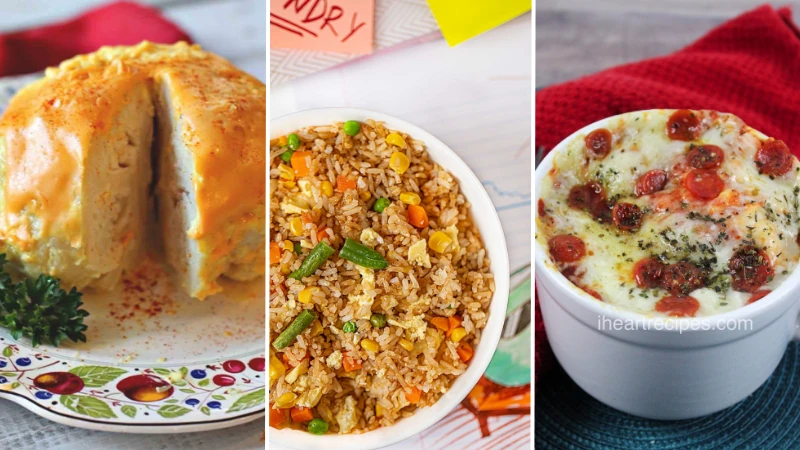
Speedy 25+ Microwave Meals Ready in Minutes

You search for microwave meals and get mug cakes, sad frozen dinners, or instructions for reheating leftovers. The little machine in your kitchen feels capable of more, but most recipes treat it like a concession, not a tool. What if you could cook a real dinner in there? With whole ingredients, proper technique, and a finish that tastes like you actually made something. The problem isn’t the microwave. It’s the advice. Once you understand how moisture, power levels, and timing work together, you can build satisfying meals from scratch in under twenty minutes.
If you want to turn this into a weekly rhythm, meal prep ideas help you cook components in advance. And if you need more inspiration for the evening, healthy dinner ideas that work with this method give you a natural place to start.
27 Microwave Meals That Taste Like Real Cooking
Most women I know write off the microwave for anything beyond reheating leftovers—and honestly, I did too, until I started treating it like a proper cooking tool. The problem isn’t the machine; it’s that most “quick microwave recipes” are either sugary mug cakes or bland steamed blocks. Real microwave cooking exists, and these healthy microwave meals prove you can eat well without a stove. A few healthy meal prep habits make the whole thing even more easy.
Morning Meals in Minutes
Mornings are hard enough without waiting for a frying pan to heat. These breakfast recipes lean on the microwave’s speed without sacrificing the comfort of a hot meal. A few basic ingredients and a mug or bowl are all you need.
Easy Microwave Scrambled Egg Cup Recipes
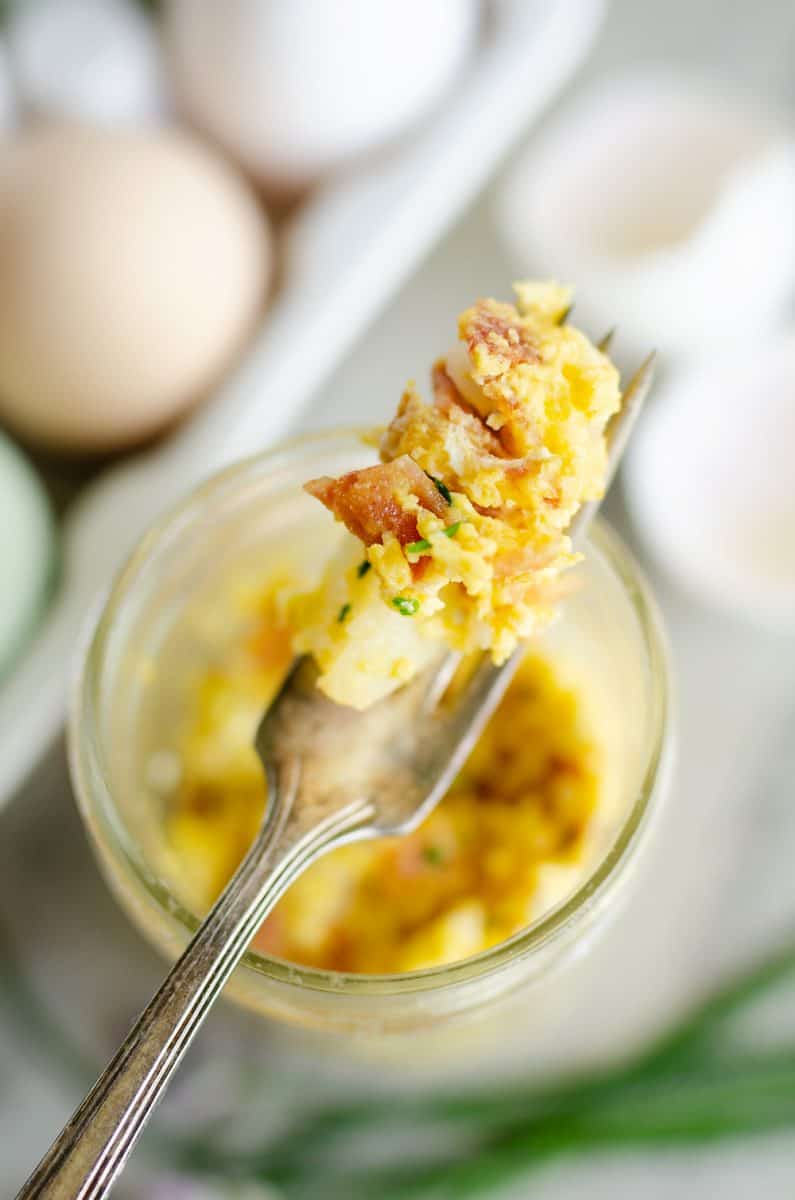
Recipe by thecreativebite.com
This is the trick for a hot, filling breakfast that takes two minutes flat. Layer pre-cooked meat, potatoes and cheese in a mug, crack an egg on top, and the microwave does the rest. Make sure the potatoes are fully cooked before they go in—raw spuds won’t soften in time. One mug gives you a scrambled egg cup that actually feels like a real meal.
Microwave Breakfast Burrito in a Mug(Mugrito)
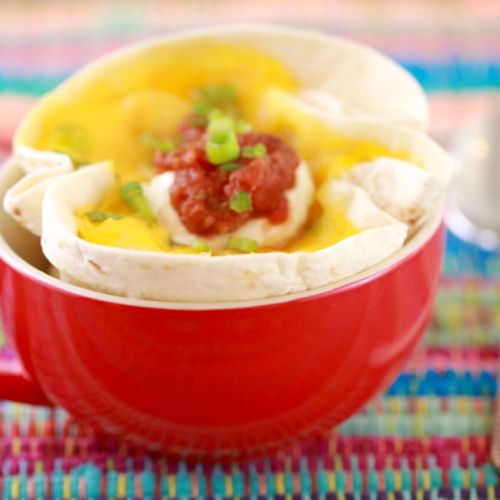
Recipe by biggerbolderbaking.com
A full breakfast burrito that cooks in a mug, no frying pan required. Eggs, beans and cheese steam inside a tortilla-lined cup, then you scoop it all up with salsa and sour cream. Beat the eggs with a fork for a full 30 seconds—this adds air and stops them turning dense. It’s absurdly satisfying for a single serving.
Cheddar & Bacon Muffin in a Mug
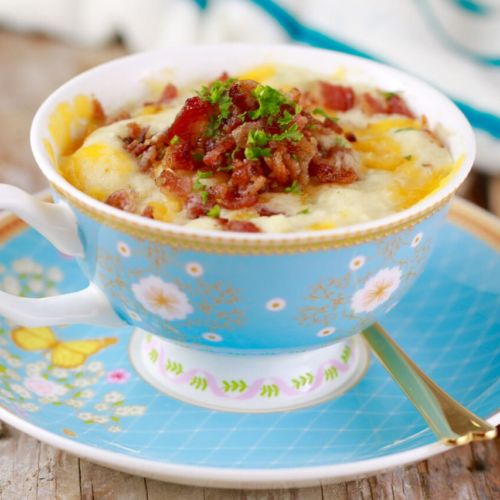
Recipe by biggerbolderbaking.com
A savoury muffin that puffs up in under two minutes and tastes like a bacon cheddar scone. Cubed butter melts into pockets as it cooks, so every bite has a buttery crumb. Use fresh, not stale, baking powder—old powder won’t lift, leaving you with a dense hockey puck. Perfect alongside a scrambled egg cup.
Easy Microwave Poached Egg
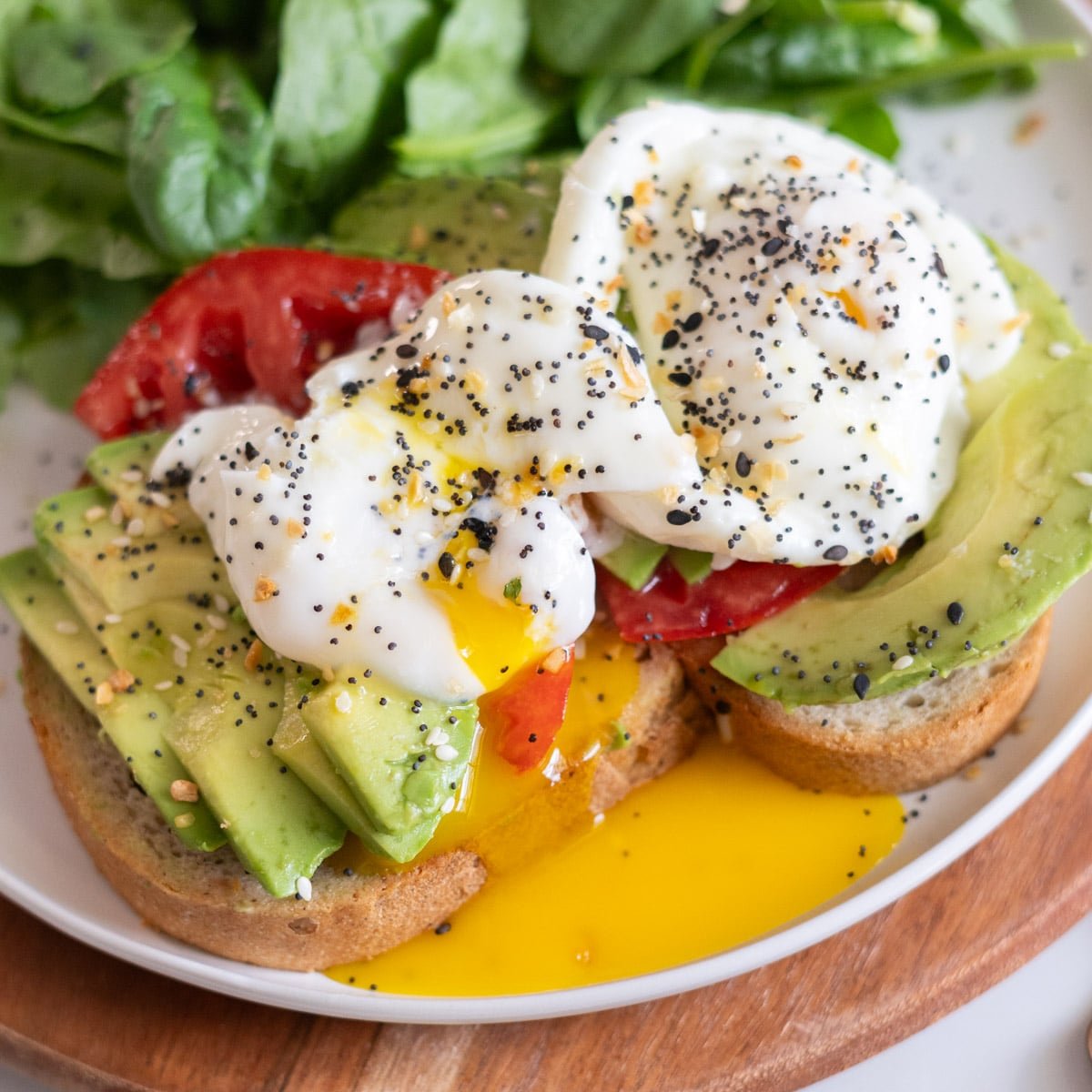
Recipe by peelwithzeal.com
A proper poached egg with a runny yolk, done in under a minute. The key is cold water and a gentle cook—use 50% power, not full blast, or the white will toughen before the yolk sets. Slide it onto toast or a warm grain bowl and you have a breakfast that looks far more impressive than the effort it took.
Microwave Oatmeal Recipe
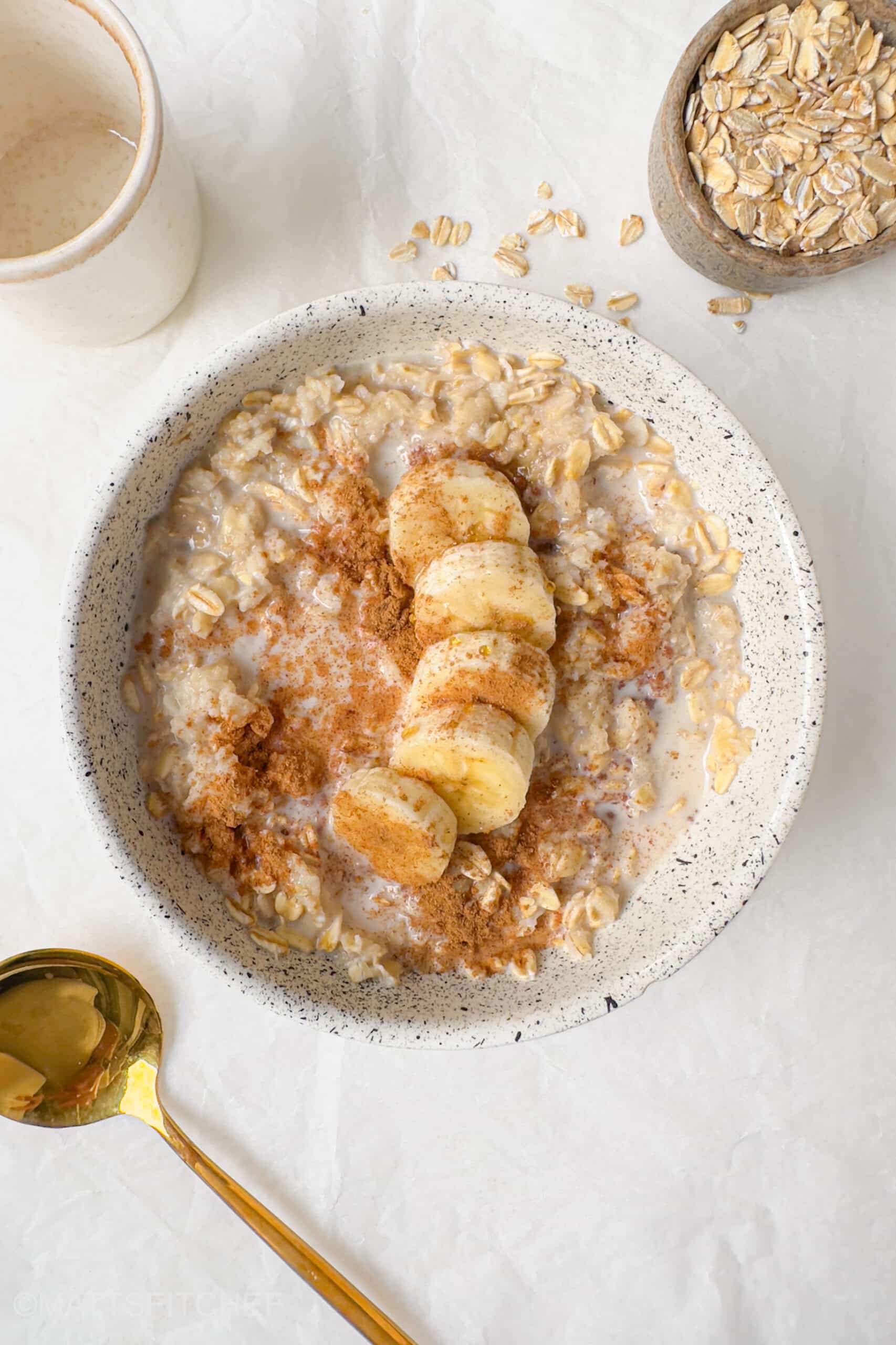
Recipe by mattsfitchef.com
This is miles better than those sugary instant packets. Rolled oats, milk, a pinch of cinnamon, and a drizzle of maple syrup cook into a creamy bowl in three minutes. Stir halfway through, and after cooking, let it stand for a minute—the oats keep absorbing liquid and that’s what gives real creaminess. Top with banana and nut butter for a breakfast that holds you until lunch.
Pancake in a Mug
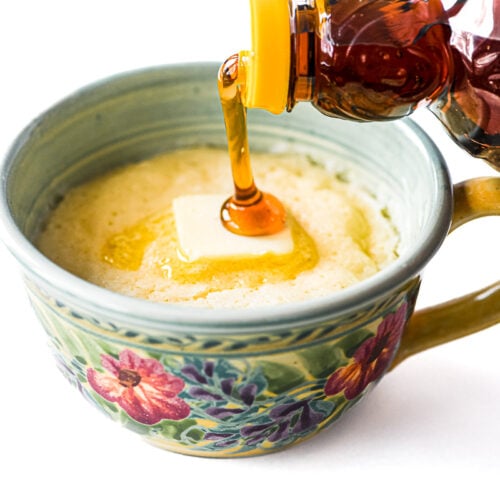
Recipe by theviewfromgreatisland.com
A fluffy, vanilla-scented pancake that cooks inside a mug in about 90 seconds. The batter is ridiculously simple, and the result is a warm, tender breakfast that needs nothing more than a pat of butter or a drizzle of maple syrup. Don’t fill the mug more than half full—the batter rises quite a bit as it cooks.
Quick Microwave French Toast Mug

Recipe by flavoritely.com
All the cosy flavours of French toast with zero griddle time. Cubed bread soaks in an egg mixture with cinnamon and a touch of maple syrup, then cooks into a warm, spoonable breakfast. Use slightly stale bread; fresh bread turns to mush before the egg sets. A tiny knob of butter melted in the mug first adds the richness that makes this taste like the real thing.
Mug Mains Worth Sitting Down For
These aren’t sad desk lunches. They’re proper single-portion meals—pastas, lasagnas, even chicken pie—that come together in a mug or a single bowl. The microwave does the heavy lifting while you catch up on emails or set the table. For more easy dinner recipes that require almost no fuss, this approach flips the script on weeknight cooking.
Pasta in a Mug

Recipe by feelgoodfoodie.net
This is the dead-simplest thing you’ll make all week—a single serving of mac and cheese that cooks entirely in a mug. Elbow pasta simmers in a mix of water and milk, then you stir in cheese at the end. Watch the liquid level: if it boils dry before the pasta is tender, add a splash more milk and cook in 30-second bursts. No draining, no extra pan.
Microwave Fettuccine Alfredo Mug For One Recipe
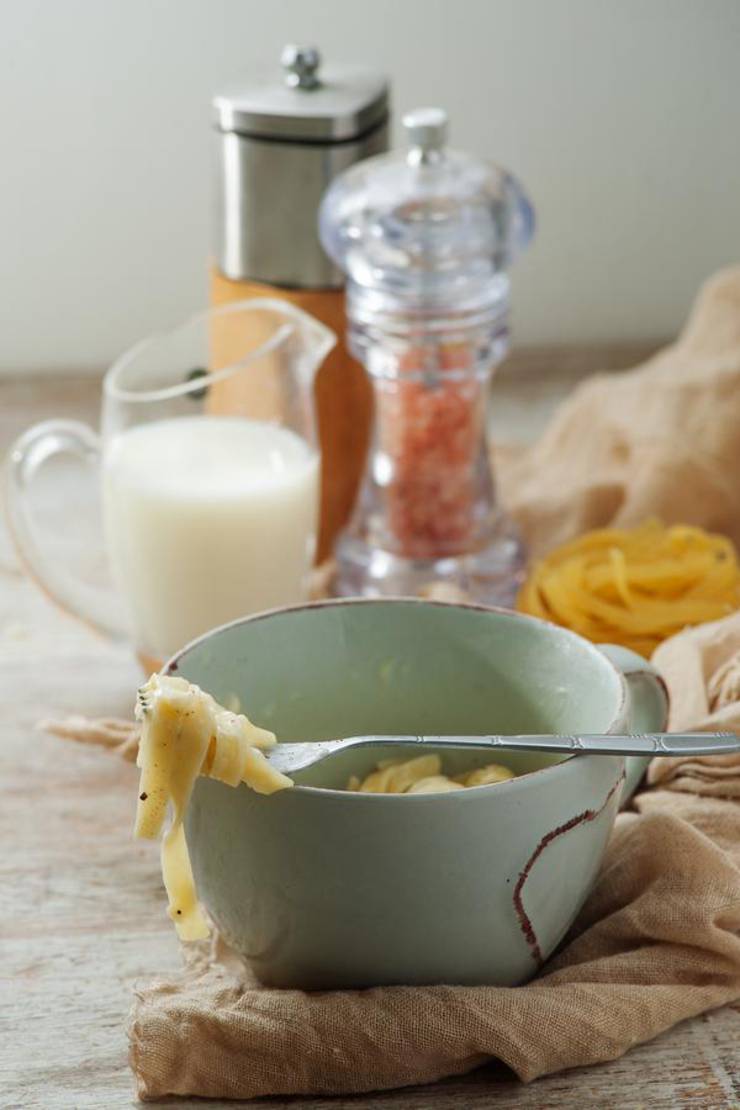
Recipe by kimspireddiy.com
A rich, creamy Alfredo that tastes like a proper restaurant pasta, made in a mug in under five minutes. The heavy cream and parmesan melt into a silky sauce as the fettuccine cooks. Stir frequently, especially in the last minute, to stop the parmesan from clumping or scorching the bottom. One mug, no leftovers.
Mug Pepperoni Pizza
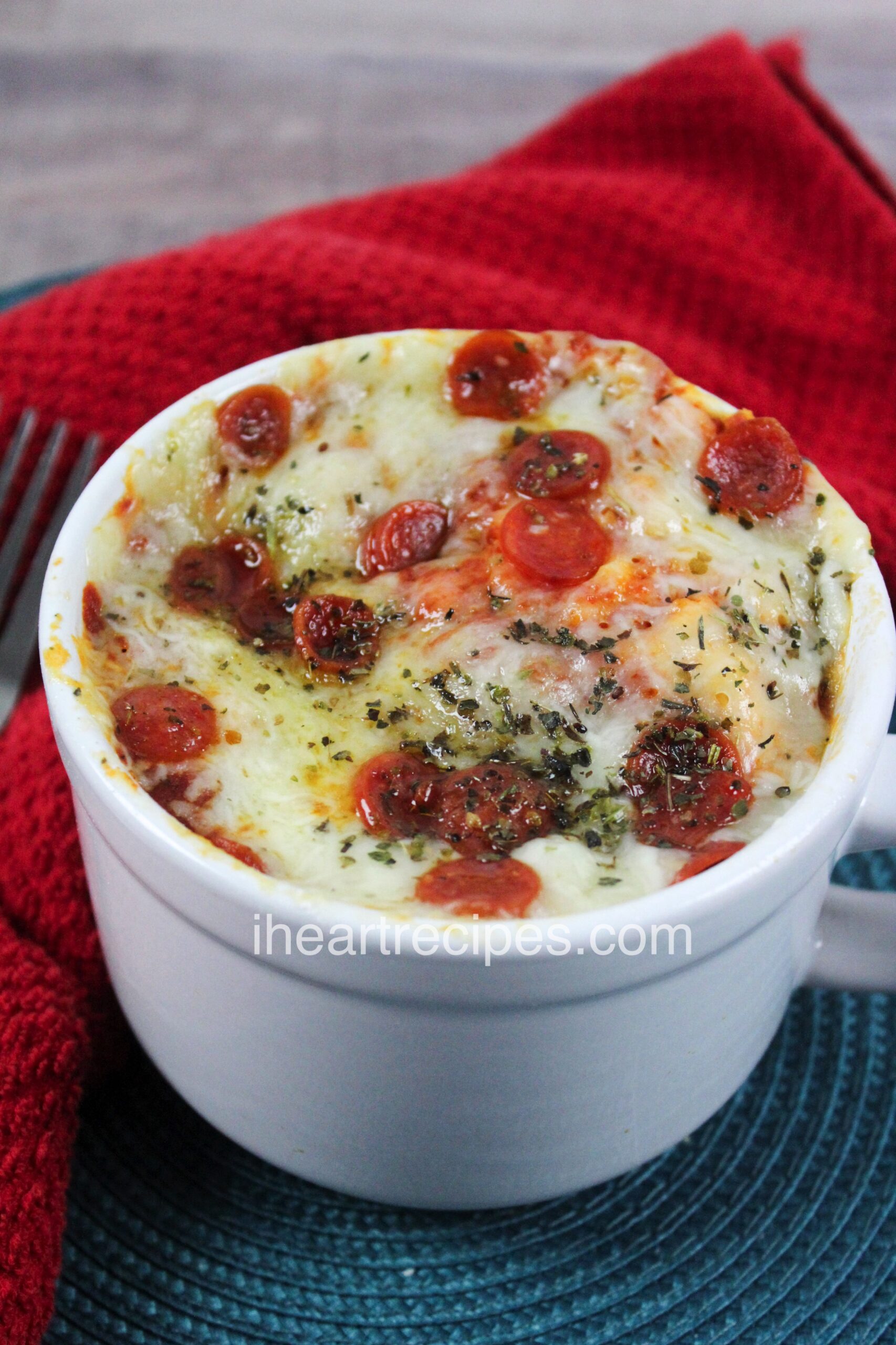
Recipe by iheartrecipes.com
A pizza-flavoured mug snack that hits the spot in about 90 seconds. Flour, baking powder, milk and oil form a tender base, topped with marinara, Italian seasoning and mini pepperonis. Add the pepperonis last so they sit on top and crisp up slightly rather than sinking into the batter. It’s not a traditional pizza, but it fixes a craving fast.
Microwave Egg Fried Rice

Recipe by dormroomcook.com
Better than takeaway and ready in under three minutes. Pre-cooked rice, frozen mixed vegetables, a beaten egg and a dash of soy sauce and sesame oil come together into a proper bowl of fried rice. Cook the egg partway before adding the rice—that way you get distinct bits of scrambled egg instead of a homogenous yellow mush.
Microwave Orange Chicken
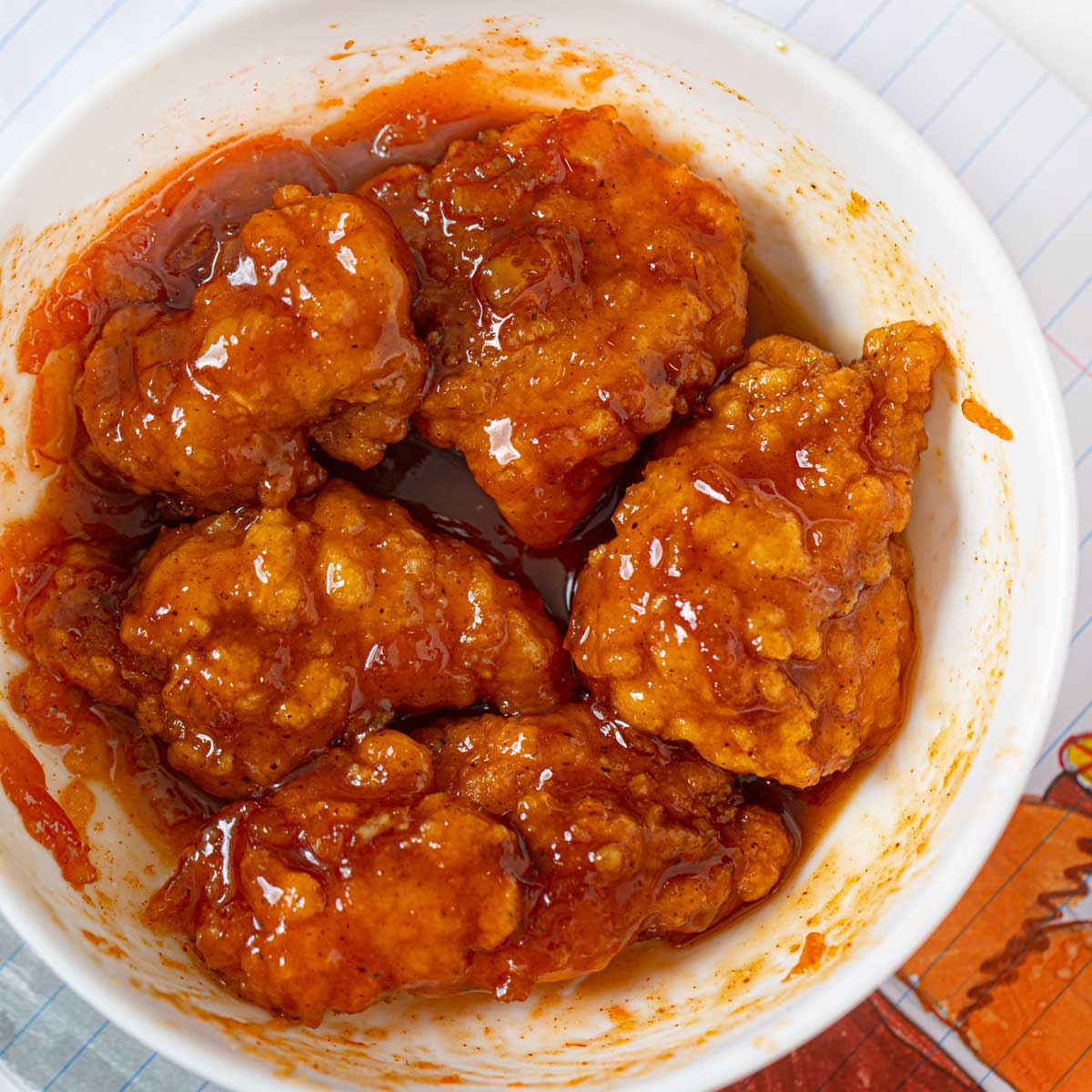
Recipe by dormroomcook.com
This is the cheater’s version of a Chinese takeaway classic, using frozen chicken nuggets as a shortcut. A sticky glaze of orange marmalade, BBQ sauce and soy sauce coats the crispy pieces after a quick nuke. Heat the sauce separately first, then toss the nuggets in; coating them before cooking makes them limp. Two servings make it a proper meal.
Meatballs in the Microwave

Recipe by justmicrowaveit.com
These are shockingly good for something you didn’t brown on a hob. Ground beef mixed with crushed crackers, parmesan and garlic forms tender meatballs that cook through in four minutes. Roll them uniformly—golf-ball size works best—so they finish at the same time. Toss in marinara for a simple dinner or pack into a bun for a meatball sub.
Spinach Ricotta Lasagna in a Mug
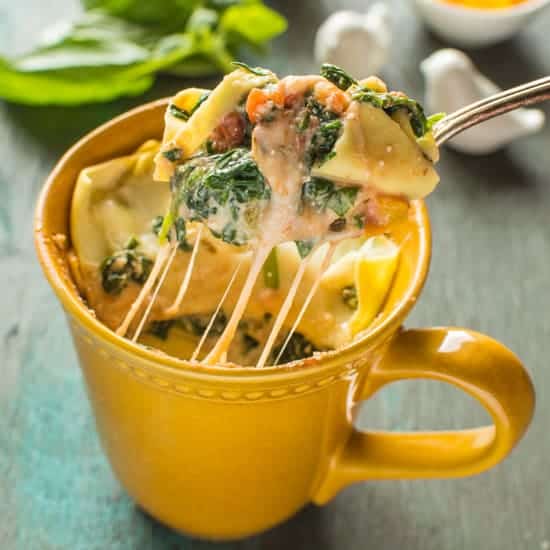
Recipe by healthynibblesandbits.com
A light but substantial mug lasagna with layers of ricotta, wilted spinach, roasted pepper and mozzarella. The fresh pasta sheets soften perfectly in the microwave, absorbing the tomato sauce and turning silky. Cover the mug loosely with a plate to trap enough steam without creating a watery top layer. One mug is a full lunch.
One Bowl Microwave Lasagna
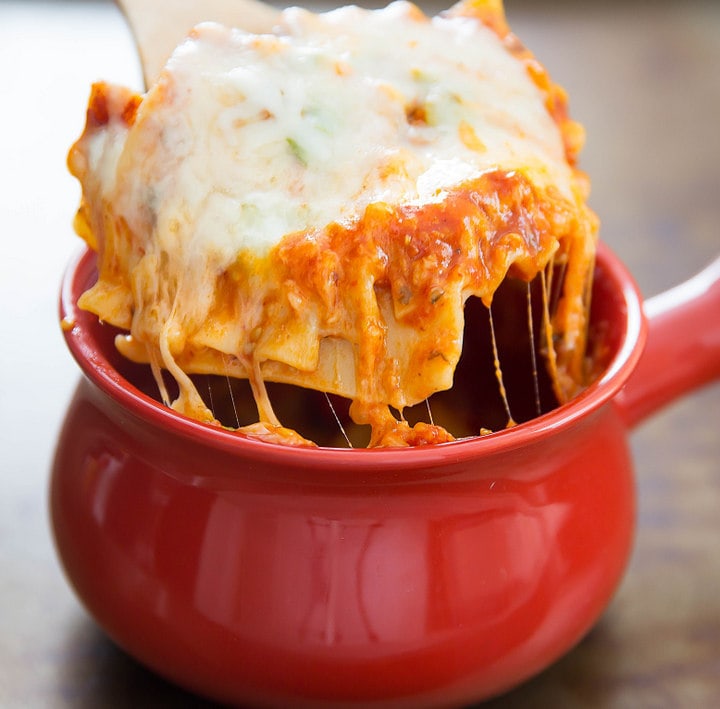
Recipe by kirbiecravings.com
This isn’t a proper baked lasagna, but it’s a clever single-bowl version that scratches the same itch. Lasagna noodle pieces cook directly in marinara and tomatoes, with cheese stirred through and melted on top. Use oven-ready noodles labelled “no boil” for best results; standard ones need a pre-soak. Fresh basil at the end brightens everything.
Microwave Chicken Pie in a Mug
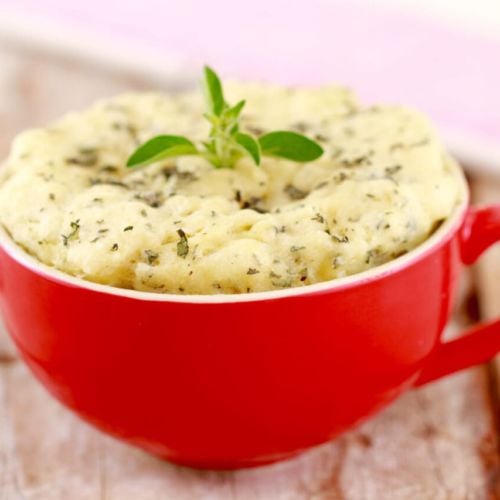
Recipe by biggerbolderbaking.com
A chicken pot pie for one that you can hold in your hand. Cooked chicken and frozen peas and carrots swim in a savoury gravy, then get topped with a quick biscuit dough that steams into a fluffy cap. If the biscuit top still looks damp after cooking, let it stand an extra minute—the residual heat will finish it. It’s proper comfort food with zero oven preheating.
Microwave Stuffed Bell Peppers
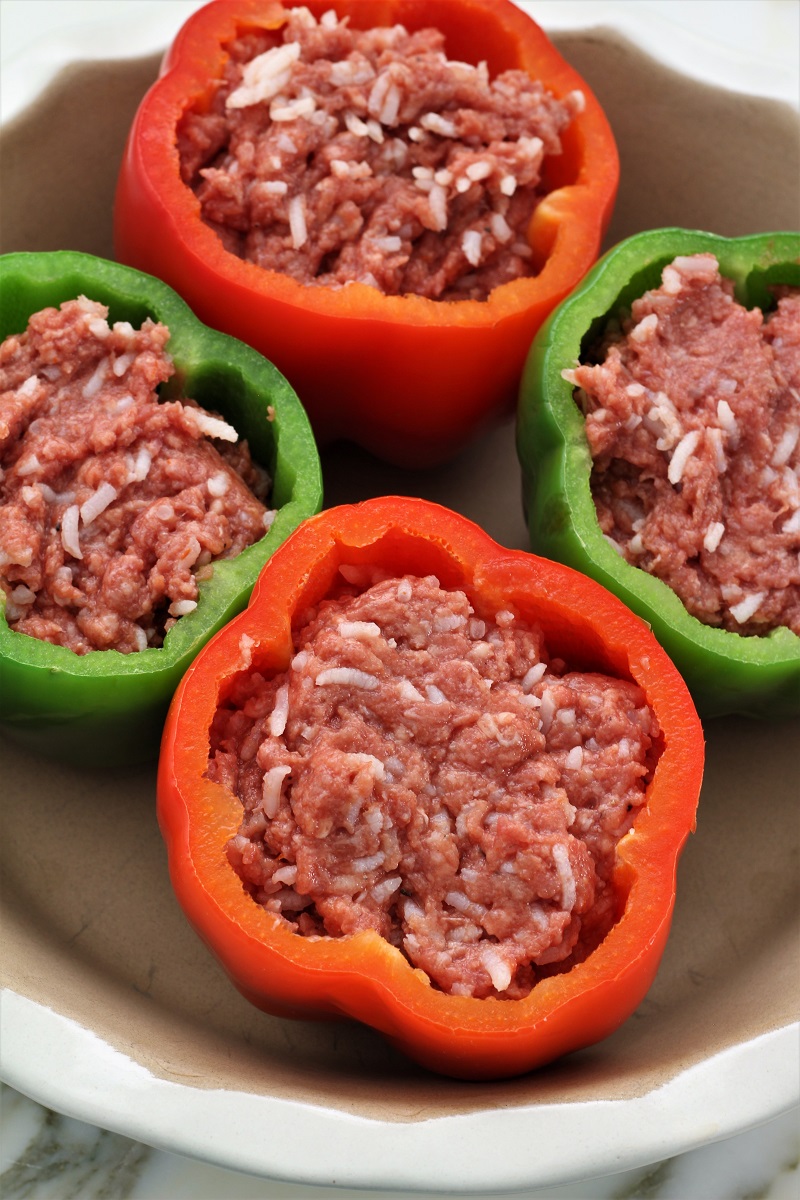
Recipe by myrecipetreasures.com
These are real stuffed bell peppers that taste oven-baked, but they cook entirely in the microwave. A mixture of cooked ground beef, rice, onion and tomato sauce fills bright pepper halves, topped with cheese that melts into a golden cap. Use a shallow, round dish and arrange peppers in a circle so they cook uniformly without cold spots. Four servings mean you can meal prep lunch for half the week.
Soups, Sides & Warm Bowls
Sometimes a meal is a bowl of something warm and savoury, no assembly required. These soups and sides make a meal on their own or round out a larger spread. Smart meal prep often starts with basics like these—cook once, then combine with whatever protein you have on hand later in the week.
Microwave Creamy Tomato Soup

Recipe by dormroomcook.com
A ridiculously easy two-serving soup that tastes slow-simmered. Marinara sauce, chicken broth, a splash of cream and parmesan heat together in minutes, creating a velvety tomato base. Whisk frequently as it heats to blend the cream without it separating. Pair with a grilled cheese made in the microwave for the complete cosy lunch.
Loaded Potato Soup in a Mug
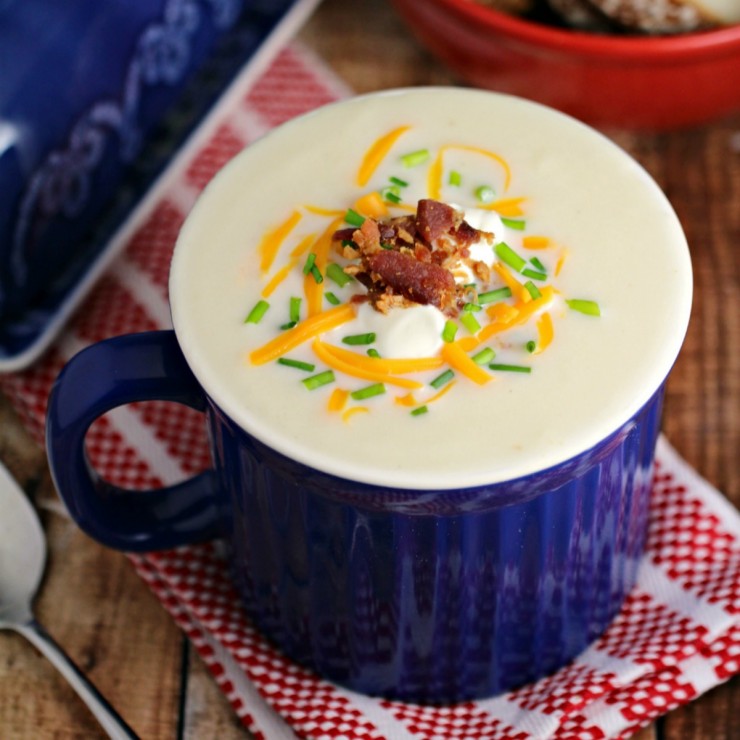
Recipe by frugalmomeh.com
A thick, creamy potato soup that builds on instant flakes—no peeling or mashing required. Chicken broth and milk create the base, then you stir in cheese, bacon bits and scallions. Add the sour cream last, off the heat, to keep it from curdling in the hot liquid. It’s an one-mug dinner that feels like a loaded baked potato in soup form.
Pasta Fagioli Soup
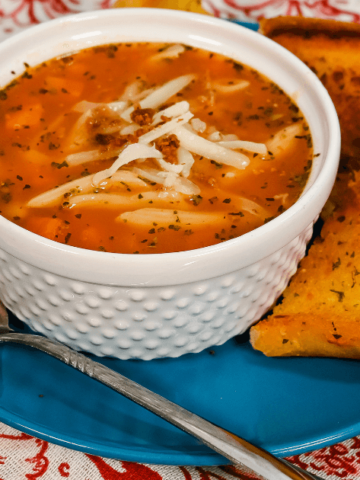
Recipe by justmicrowaveit.com
A hearty, pantry-friendly soup that feeds a crowd or sets you up for several lunches. Pre-cooked pasta, white beans, carrots and a flavour-packed broth come together in about ten minutes. Don’t add the pasta until the broth is bubbling—otherwise it sits and absorbs all the liquid, turning the soup into a stodgy mess. This one freezes well, too.
Microwave Baked Potato
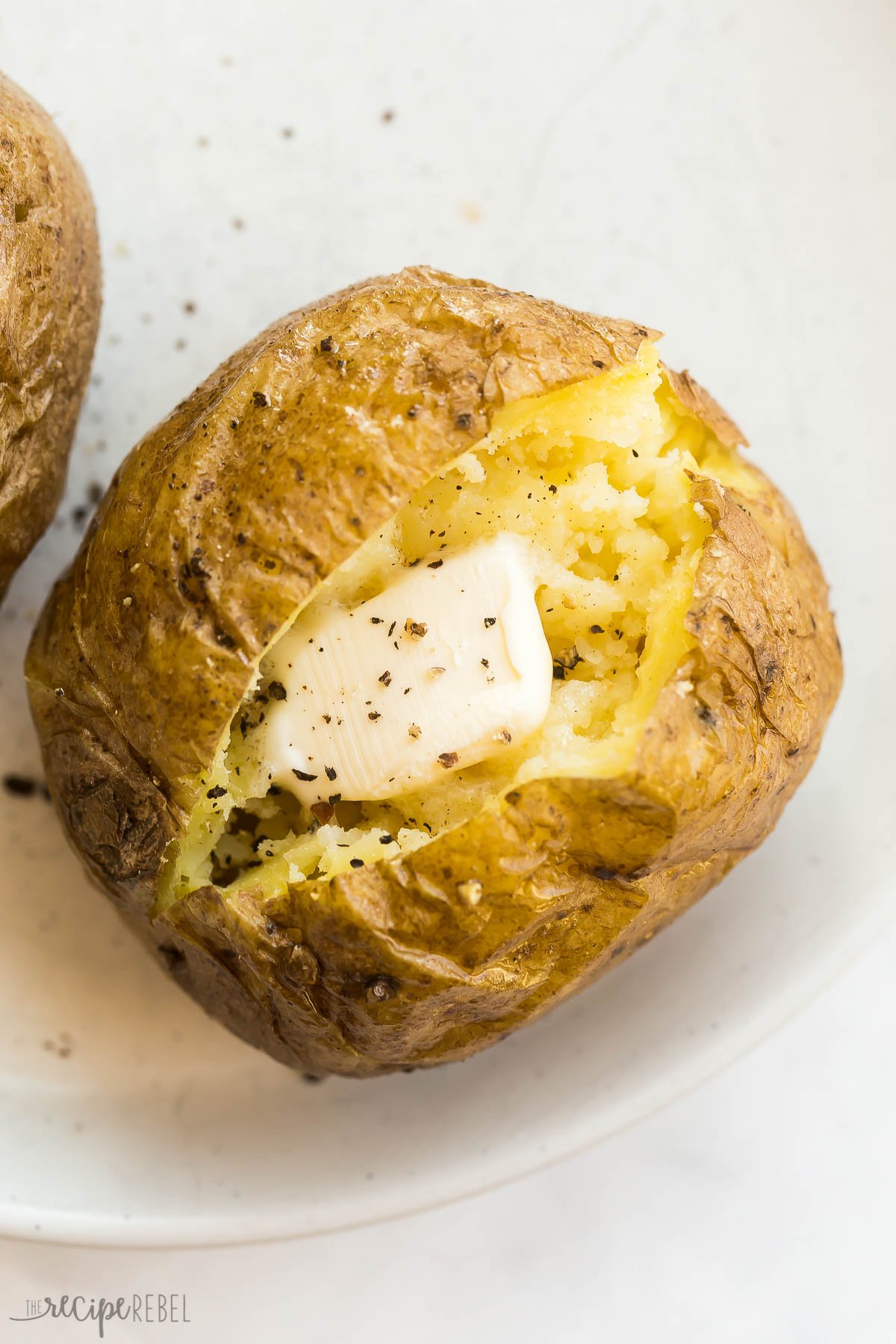
Recipe by thereciperebel.com
A perfectly fluffy baked potato in about six minutes, no oven needed. The microwave steams the inside tender while the skin stays soft. After cooking, let it rest for a couple of minutes—the interior continues to steam and fluff up. Split open and load with butter, sour cream, or whatever toppings you’d like.
Tangy Mustard Cauliflower, Microwave Cauliflower
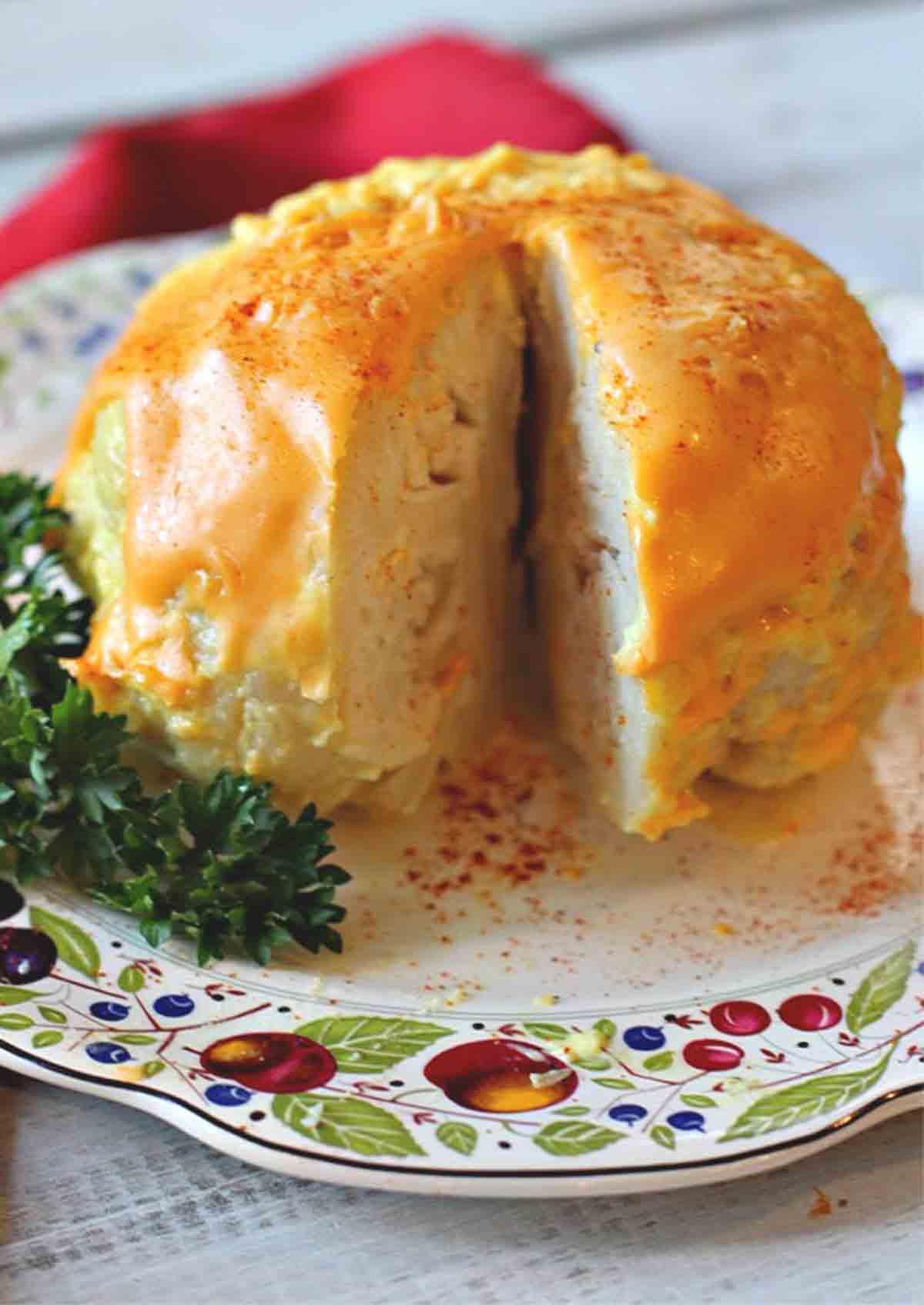
Recipe by highlandsranchfoodie.com
A whole head of cauliflower cooks in one piece, then gets smothered in a tangy mustard-cheese sauce. The mayo and mustard mix with melted cheese to form a creamy, sharp coating that clings to each floret. If your cauliflower is large, add a couple of extra minutes and test the core with a knife for tenderness. Six servings make it a fantastic side for a group or a week of lunches when you add a protein.
Snack Attack Heroes
Sometimes you need a quick bite that sits somewhere between a meal and a craving. These are the snacks that get you through the afternoon slump or satisfy a sudden case of the munchies. If you’re packing snacks for work, these microwave tricks beat a vending machine any day.
Microwave Grilled Cheese
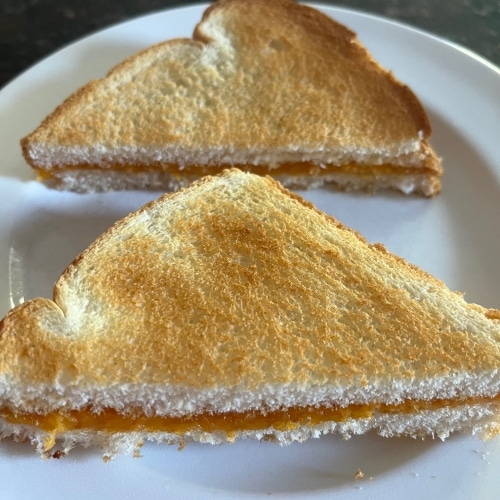
Recipe by melaniecooks.com
A crisp-edged, melty grilled cheese made entirely in the microwave—no frying pan, no buttering the outside. The cheese melts into the bread, and if you use a toaster or a microwave crisp tray, you get a surprisingly good crunch. Don’t microwave it for more than 45 seconds total, or the bread will toughen and turn chewy rather than crisp. Quick, hot, and totally satisfying.
Single-Serve Microwave Nachos

Recipe by eatsamazing.co.uk
Proper nachos for one, ready in a minute flat. Arrange tortilla chips in a single layer on a plate, scatter with mozzarella and jalapeño slices, and microwave until bubbly. Add fresh toppings like sour cream, guacamole and salsa after cooking, never before, or they’ll go watery and hot. It’s the ideal Friday-night-I-can’t-be-bothered snack.
Recipe: Make Your Own Homemade Healthy Potato Chips in the Microwave
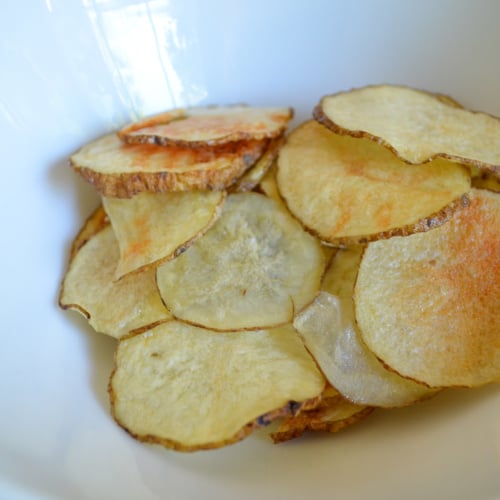
Recipe by thriftyjinxy.com
Yes, you can make real crisps in the microwave, and they’re considerably better than the bagged kind. Thinly sliced potatoes tossed in a little oil and salt cook into golden, crunchy rounds in under five minutes. Arrange them in a single layer with no overlap, or they’ll steam instead of crisp. Season with smoked paprika or rosemary salt right after they come out.
Sweet Finishes
Dessert doesn’t require an oven. These two microwave sweets deliver the comfort of a homemade pudding or crumble without the wait. They’re also perfect portion control—one mug or ramekin, one serving, no leftovers to tempt you later.
Microwave Apple Crisp in a Mug
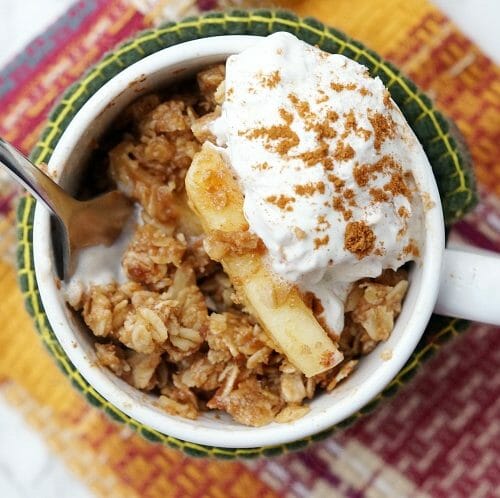
Recipe by oldhousetonewhome.net
A single-serving apple crisp with a buttery oat topping and tender, spiced apples. Thinly sliced apple cooks down with cinnamon and brown sugar, then gets topped with a mix of oats, flour and more butter that turns golden in the microwave. Use a shallow, wide mug so the topping sits close to the surface and crisps better. A little vanilla ice cream on top and you have a proper dessert.
Microwave Custard Pudding
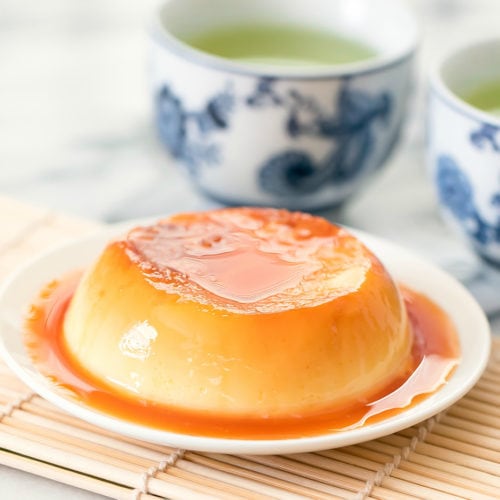
Recipe by kirbiecravings.com
A silky, jiggly caramel custard that feels far more elegant than its microwave origins would suggest. A simple egg and milk mixture sets into a delicate pudding, capped with a homemade caramel sauce. Cook at 30% power in short bursts, stirring between, to avoid scrambled egg bits ruining the smooth texture. Once chilled, it’s a lovely little treat that cost pennies to make.
Why Your Microwave Meals Always Taste Watery—and How to Fix It
Moisture is the silent saboteur: Microwaves heat by exciting water molecules, so everything steams in its own liquid. This sounds efficient until you bite into a puddle. Cut back any added water by half, pat vegetables and proteins dry with a paper towel before they go in, and never fully seal the cover. Leave a corner open so steam can escape instead of raining back down onto your food.
Power level is the setting most women ignore: Cooking everything on HIGH is why your fish turns rubbery and broccoli collapses into grey mush. Lowering to 50–70% lets heat distribute more slowly, mimicking gentle poaching or braising rather than an aggressive boil. Most guides recommend High for speed. I’d argue Medium for texture, because the extra three minutes buys you food you actually want to eat.
Order matters more than you’d think: Dense root vegetables and grains need a two-minute head start before delicate proteins or leafy greens join the bowl. Tossing everything in together guarantees watery, undercooked centers next to wilted, overcooked edges. Start with what takes longest, add the rest in stages. It sounds fussy, but it takes ten seconds of planning and changes the result completely.
Standing time is not optional: That “rest for 2 minutes” instruction at the end of a recipe completes the cooking and lets steam re-absorb into the food rather than pooling on your plate. Skipping it leaves you with a wet, unevenly heated meal. Put the lid on loosely, step away, pour your drink. When you come back, the food will have settled into itself.
The Container Switch That Changes Everything About Microwave Cooking
Glass and ceramic outperform plastic for taste and texture: Unlike plastic, which holds onto odors and can warp over time, dense glass and stoneware retain gentle heat after the microwave stops. That residual warmth effectively “coasts” the food into perfect doneness without overcooking. The meal keeps cooking evenly even after the beep, and your container doesn’t smell like last Tuesday’s curry.
Shape dictates success more than material: Round, shallow bowls heat far more evenly than square or deep containers. Square corners trap heat waves and create scalding hot spots right next to cold pockets. Wide, flat surfaces expose more food to the energy at once, so your lunch reheats uniformly instead of requiring three stir-and-pause cycles just to avoid a frozen middle.
A lid that is not a lid: Ditch the tight-fitting plastic wrap. A microwave-safe plate set on top of the bowl or a splatter cover with small vents lets steam escape just enough to prevent a watery mess while still trapping sufficient heat to cook through. This one switch eliminates the soggy, steamed-to-death texture so many women associate with microwave meals.
Metal is not always the enemy, but almost always: Flat, smooth-edged aluminum trays labeled “microwave safe” can reflect heat away from delicate edges. Wrinkled foil, twist ties, or anything with a metallic trim will spark. If you are not absolutely certain, reach for glass. It is inert, it will not leach, and it will not cause a fire in your office breakroom.
How to Build a Week’s Worth of Balanced Meals Using Just a Microwave
The “component cook-once” method: Instead of making one complete dish at a time, batch-microwave plain ingredients like quinoa, shredded chicken thighs, and roasted sweet potato cubes. Store them separately in the fridge. During the week, assemble endless combinations by reheating with a splash of broth or sauce rather than water. This is the same logic behind healthy meal prep done in a hour on Sunday, except your oven never turns on.
Layering is your macro-balancing tool: Start with a grain or legume base, add a protein that reheats well—chickpeas, lentils, flaked salmon—not shrimp, which turns to rubber on the second pass. Top with raw greens or quick-microwavable spinach that wilts at the finish. This layering keeps textures distinct instead of everything merging into one warm, beige pile. If you have been making meal prep ideas that turn to mush by Wednesday, the order you stack them matters more than the ingredients themselves.
Sauce separates the boring from the brilliant: A stash of microwavable sauces makes the same base components feel like entirely different meals. A two-minute peanut dressing on Monday, a quick tomato-garlic oil on Wednesday, a miso-ginger blend on Friday. Same quinoa, same chicken, three distinct dinners. Keep small jars in the fridge and warm them for twenty seconds before drizzling.
Containers as a scheduling system: Use stackable glass containers with different-colored lids to assign days. Red lid is Monday, blue is Tuesday, clear is later in the week. This visual cue trains you to grab the right box in the right order, so nothing sits forgotten in the back getting soggy. It sounds simple, but when you are packing six meals into a dorm fridge, simple is what works.
The One Nutrient Myth That Keeps Women Away from Microwave Cooking
Microwaving often preserves more nutrients, not less: Because cooking time is drastically shorter and you use minimal water, water-soluble vitamins like C and many B-vitamins have less time and liquid to leach into. A comparison in Food Science & Technology showed microwaved broccoli retained 90% of its vitamin C versus 60% when boiled. The method itself is not the problem. The habits around it are.
The real nutrient thief is excess water: When you submerge vegetables in a bowl of water and microwave them until they are drowning, you are essentially making a nutrient-rich broth that you then pour down the drain. Cook instead with only the moisture that clings to the leaves after washing, and use a vented cover to steam just enough. You keep the vitamins in the food rather than in the sink.
Frozen vegetables are microwave superheroes: Flash-frozen at peak ripeness, they lock in nutrients that fresh produce loses during days of transport and shelf time. A minute in the microwave with no added water brings them to life faster and with less degradation than simmering fresh broccoli on a stovetop. For healthy dinner ideas that actually retain their goodness, the freezer aisle beats the wilting produce drawer almost every time.
Fat-soluble vitamins do not care about your microwave: Vitamins A, D, E, and K are stable under microwave heat. Adding a drizzle of olive oil to your microwave-cooked carrots or spinach helps you absorb them better. No special method required. The conventional take is that microwaving ruins everything nutritious. That misses the point entirely—the tool is neutral, it is the technique that determines the outcome.
The 5‑Minute Microwave Flavor Boost That Makes Every Meal Taste Freshly Made
Finishing herbs that don’t wilt into nothing: Chop soft herbs like basil or cilantro, toss with a drop of oil and a tiny pinch of salt, then microwave‑steam for exactly 10 seconds before scattering over your dish.
That brief heat opens up the herb’s natural oils without turning the leaves brown or slimy — so they land vibrant and fragrant, not like forgotten garnish. It’s the difference between “I tossed some herbs on” and “someone actually cooked here.” I do this even for reheated grain bowls and instantly they smell like a real kitchen.
Crispy crumbs from the microwave, really: Pulse a slice of bread with a teaspoon of oil and a pinch of garlic powder in a small ramekin, then microwave in 30‑second bursts, stirring between, until golden and crunchy.
These crumbs stay crisp for a few minutes — long enough to scatter over steamed vegetables or a microwave risotto and give every bite a proper crunch. The trick is stirring every 30 seconds and stopping when they’re just past pale gold; they darken fast. No one believes these came from a microwave, but I’ve stopped trying to convince people.
Compound butter pucks that feel like a sauce course: Blend softened butter with lemon zest, plenty of black pepper, and chopped chives or tarragon. Roll into a log in cling film, chill until firm, then slice off a coin to melt over hot fish, chicken, or vegetables straight from the microwave.
The fat carries flavour differently than a splash of oil, coating your tongue in a way that reads as luxurious rather than utilitarian. One puck turns a plain piece of microwaved salmon into something you’d serve company — and you can keep the log in the freezer for weeks, slicing off only what you need. If your meal prep feels monotonous, these little frozen flavour bombs are a simple way to break the repetition without extra cooking.
Citrus brightening that cuts through flatness: A squeeze of fresh lemon or lime right after microwaving alters how you perceive salt and fat in the dish.
Microwave cooking can sometimes leave food tasting a bit muted — the acid wakes everything up. It’s not about masking flavours; it’s about giving them structure. I keep a bowl of lemons on my counter and reach for one almost every time, because that final spritz is what makes a bowl of chickpeas and greens taste intentional rather than improvised.
Quick‑spiced oil that blooms in seconds: Pour a tablespoon of olive oil into a microwave‑safe ramekin, add a pinch of cumin seeds or red pepper flakes, and heat for 20 seconds until fragrant.
The microwave blooms spices just like a stovetop tadka — the oil carries the aroma into your whole dish. Drizzle this over lentils, scrambled eggs, or roasted vegetables, and suddenly the meal has depth. Stir halfway and watch closely; the seeds can burn if they go longer than 30 seconds, but twenty is the sweet spot for a gentle sizzle.
FAQ
Is it safe to cook raw chicken in the microwave?
Yes, if you cut the chicken into uniform, bite‑size pieces and use a food thermometer to confirm it reaches 165°F at the thickest part. Microwave chicken often looks done outside while staying raw inside — uniform sizing and stirring once midway solve most of that temperature gradient.
Do microwave meals really destroy nutrients?
No, and often the opposite is true. Shorter cook times and little to no water mean water‑soluble vitamins like C and B‑vitamins stay in the food rather than draining away. The real nutrient loss happens when you boil vegetables in a pot of water and then pour the cooking liquid down the sink.
Can I use metal containers if they’re labeled microwave‑safe?
Some smooth, flat aluminum trays are engineered for microwaves and won’t spark, but any ordinary metal — foil, steel, or trim with gold — will arc. If you’re not certain, don’t risk it; glass is always the safer, inert choice, and it won’t start a fire in the breakroom.
Why does my microwave meal heat unevenly and have cold spots?
Microwaves form standing wave patterns inside the oven, creating hot and cold nodes. A turntable helps, but you also need to pause and stir or rotate the container at least once, then let the food stand for a minute afterward so heat migrates from hot areas into cooler ones.
How do I avoid rubbery texture when reheating meats in the microwave?
Use 50% power and cover loosely. For sliced beef or chicken, lay a damp paper towel on top — the extra steam rehydrates the surface without boiling the interior. For shrimp or fish, add a tablespoon of broth or milk before reheating to keep the protein tender.
Are microwavable plastic containers safe?
Only undamaged containers clearly labeled “microwave‑safe.” Scratches trap bacteria and allow chemical migration at high heat. If your plastic has turned cloudy, warped, or holds yesterday’s curry smell, switch to glass — it won’t leach, it’s easier to clean, and it doesn’t hold onto odors.
Can I meal prep microwave meals for a whole week?
Yes. Cook proteins and grains, cool them fast, and store in shallow glass containers — thin layers reheat fastest and most evenly. Keep wet sauces or dressings separate until you eat; assembly takes seconds and prevents everything from turning into a sad, uniform stew.