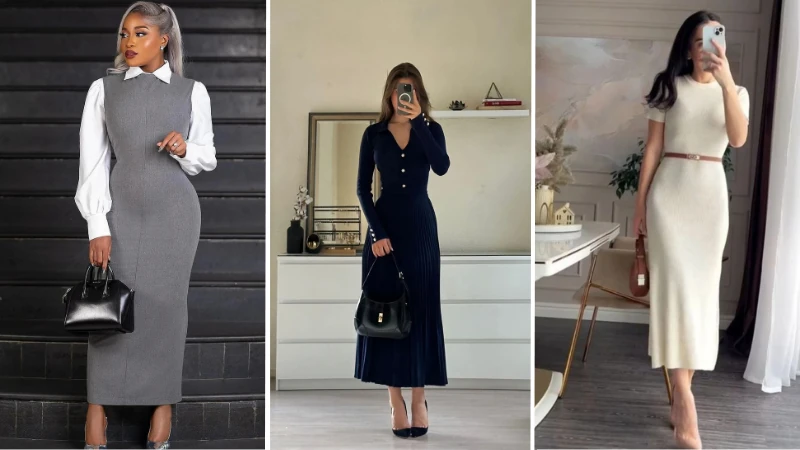
Classy 15+ Corporate Dress Styles That Mean Business

Most images of corporate dress show women in stiff, unsmiling suits that wouldn’t survive a single quarterly board meeting. The real office isn’t about a script—it’s about reading the room before you walk in. You need looks that signal authority, fit your personality, and hold up under the actual conditions of your workday. That means understanding the unwritten rules that govern women’s business professional clothing, then translating them into work wardrobe essentials you can actually wear for eight hours and still feel like yourself.
This builds on everything we covered in our business dress code guide, which decodes those unspoken HR rules. And for mornings when you just need a reliable formula, the corporate outfits for women guide delivers no-think combos that work every time.
20 Corporate Dress Formulas for the Unwritten Rules
Most handbooks say “business professional” and stop there. These twenty looks fill the gap for business dress code ambiguity, each a real-world combination that navigates the silent judgments, client optics, and three-flight stairwell walks of actual corporate life. Whether you’re in a strict formal office or a smart-casual environment that still expects polish, you’ll find a formula that works.
The Full-Formal Matrix
These are the looks for the boardroom, the quarterly review, the client meeting where the unspoken rule is “look like you already have the account.” Each one follows a traditional formal dress code but with deliberate choices that signal senior-level judgment.
The Spine-Straightening Sheath

by Pinterest
A black sleeveless sheath, opaque sheer tights, and pointed-toe pumps are what most people picture when they hear corporate office attire. But this version is intentional: the brown leather handbag and round eyeglasses inject a layer of warmth and intellect that keeps the look from becoming an uniform. Silver jewelry—a bracelet, stud earrings, and a portfolio in hand—adds quiet polish. Don’t skip the hosiery; in many East Coast formal offices, bare legs still get side-eye from decision-makers. The exact knee-length hem and streamlined fit say you’ve mastered the game without a blazer.
The Navy Wrap That Negotiates

by Pinterest
A navy short-sleeve wrap sheath with a self-belt and gold accessories is one of the most reliable corporate attire women actually want to wear. The gold hoop earrings, necklace, wristwatch, and bracelet echo each other without shouting. A black structured tote anchors the entire look. Gold hardware on your accessories works like a signal: it says you understand that jewelry is a tool, not an afterthought. The fitted pencil silhouette and knee-length cut ensure this works for any formal meeting you walk into, even on a day you’d rather not.
The Monochrome Masterclass

by Pinterest
An all-black midi dress with a slim belt and silver buckle, pointed-toe heels, and a structured top-handle bag is a corporate dress that requires zero overthinking. The fitted column silhouette and knee-to-midi length keep everything controlled. One shade head-to-toe doesn’t mean boring—it means your competence is the loudest thing in the room. Oversized sunglasses add architectural interest, but the real takeaway is the silver jewelry: necklace, hoops, and buckle form a quiet metallic thread. Keep the bag structured; a slouchy tote would kill the outfit instantly. This is the look you reach for when you want no one to remember your clothes, only what you said.
The Knit Dress That Means Business

by Pinterest
A navy long-sleeve button-front knit midi dress might sound casual, but the fitted bodice, defined waist, and softly pleated skirt make it business formal for women who move between boardroom and after-hours. Black pointed-toe high heels and a structured black handbag keep it authoritative. The buttons running the full length create a visual vertical line that lengthens your silhouette and reads as polished, even on video calls. This dress works especially well in cooler months when layers aren’t practical but you still need to project structure.
The Blush That Commands

by Pinterest
A pale blush pink fitted sheath with white pointed-toe pumps and a beige structured handbag upends the rule that power only comes in dark colors. The body-skimming pencil silhouette and knee-length hem keep it formal; the pastel hue makes it memorable. In a sea of black suits, a woman in a blush dress is the one people watch when she speaks. Delicate gold jewelry—bracelet and studs—adds just enough sheen. This is not a “soft” look; it’s a confidence move that works best when your role is already secure and you’re signaling that you can afford to be seen.
The New Power Layer
Wearing a shirt under a dress isn’t a relic of prep school. It’s a strategy that adds arm coverage, frames your face, and instantly upgrades a simple shift into a negotiation-ready outfit. These five formulas exploit the layering trick for different formality levels.
The Banker’s Layering Trick

by Pinterest
A black sleeveless fitted midi over a crisp white long-sleeve button-up is the corporate office attire equivalent of a double-breasted suit—it commands attention. A black-and-gold belt cinches the waist, while brown pointed-toe slingback heels add a strategic break from the monochrome. Make sure the shirt’s sleeves are slim-cut so the dress lays cleanly. The brown shoes may seem counterintuitive with black and white, but they warm your entire look, especially important in client-facing roles where approachability matters. This combination works for formal days when you need the authority of a suit but the comfort of a dress.
The Textured Contrast Move

by Pinterest
A black sleeveless shift layered over a white long-sleeve blouse with textured sleeves reads as deliberate, not accidental. The voluminous blouse sleeves soften the dress’s straight shape, adding dimension that photographs well in presentations. Black sheer tights and pointed-toe heels elongate the leg, while a black structured tote keeps everything grounded. If you’re layering a blouse with statement sleeves, keep the dress sleeveless and simple—any extra fabric on the dress will compete and look bulky. This is a smart-casual look that can flex into a formal setting with the right bag and shoe.
The Grey Flannel That Outranks

by Pinterest
A heather grey sleeveless pencil midi over a white collared long-sleeve blouse is a corporate outfit that borrows its authority from menswear fabrics. Silver pointed-toe high heels and a black structured top-handle bag upgrade the combination beyond a simple shirt-and-dress pairing. Stud earrings and a ring keep embellishment minimal. The collar of the blouse should sit above the dress’s neckline to frame your jaw—a trick that subconsciously signals you’re detail-oriented. This look works for formal environments where a skirt suit would be expected but you want to signal independence.
The Charcoal Clean Slate

by Pinterest
A charcoal gray sleeveless shift layered over a white button-up, finished with white pointed-toe pumps and a black tote, feels fresh and precise. The contrast between the dark dress and the bright shirt creates a high-impact visual that reads well on screens and across large tables. White pumps require a no-scuff commitment; keep a white leather cleaner in your desk if you’re wearing them to a full day of meetings—light-colored shoes demand maintenance. The body-skimming sheath silhouette keeps the layers from adding visual weight, and the overall look is polished enough for an internship review or client pitch.
The Preppy Power Move

by Pinterest
A navy sleeveless midi over a white-and-black striped collared blouse, cinched with a thin waist belt, pushes the layered look into personality territory without going casual. The striped blouse adds pattern, while the brown leather handbag and small hoop earrings ground the preppy vibe. A black hair bow is a deliberate finishing move—it signals that you understand the vocabulary of office dressing and can play with it. Stripes work best when they’re thin and spaced closely; wide banding can read too sporty for corporate settings. This smart-casual formula fits creative tech or consulting offices with a “dress for your day” policy.
Minimal Means More
These are the outfits for days when you don’t want to think but still need to look like you did. Clean lines, solid colors, and an absence of fuss define minimal corporate dressing—but the details separate the senior from the junior.
The Mini That Means Business

by Pinterest
A black short-sleeve mini dress with black leather loafers and a structured top-handle bag is a work dress formula that proves hem length isn’t the only power lever. The fitted waist and subtle A-line skirt keep the proportions adult; the loafers’ gold hardware echoes the bag’s details. A mini dress in a corporate environment needs intentional, covered-up footwear—loafers or low-heel pumps, never bare ankles with anything above the knee. Add a silver wristwatch and delicate necklace, and you have a smart-casual look that can walk from a morning status call to an off-site lunch without anyone questioning your professionalism.
The Ribbed Dress That Won’t Sag

by Pinterest
A black sleeveless ribbed midi dress with a wide leather belt and gold buckle, black pointed-toe flats, and a black tote is the kind of outfit you can wear three times a week and no one will notice—or mind. The ribbed knit texture adds interest while the belt carves a defined waist, crucial for avoiding the “sack dress” effect. Ribbed fabric clings if it’s too thin; buy a heavier-gauge knit and size up if necessary, then tailor the waist with the belt. Small gold hoops and a ring finish the look without fuss. This is a smart-casual workhorse that leans into minimalism.
The Summer Boardroom Solution

by Pinterest
A navy ribbed sleeveless midi dress with a gold button front and nude ankle-strap sandals is a corporate dress that breathes in July without melting into casual territory. The fitted, streamlined silhouette and slightly flared hem maintain structure, while the gold buttons give it a deliberate, almost military precision. A black structured tote and delicate gold jewelry keep it office-appropriate. Ankle-strap sandals can work in formal settings if the strap is thin, the heel is a block or low, and your office hasn’t explicitly banned open heels—the wrong shoe can undercut a strong dress. This is a smart-casual look that often passes for business professional in coastal firms.
The Cream That Stays Clean

by Pinterest
A cream ribbed knit midi dress with a tan slim belt and brown structured handbag is a masterclass in tonal dressing and one of those work wardrobe essentials you’ll reach for weekly. The body-skimming column silhouette and nude pointed-toe heels elongate the leg, while the ribbed texture keeps it from looking flat. Cream attracts every drop of coffee and ink; carry a stain-removing pen and dab, never rub, if a spill happens. The belt’s gold buckle echoes any gold jewelry you add. This is a smart-casual look that registers as quietly expensive—the kind of outfit that makes people assume you have somewhere important to be after work.
The Modern Minimalist’s Uniform

by Pinterest
A black fitted midi dress with a high neckline and short sleeves, worn with black pointed-toe heeled mules and a black leather tote, is the closest thing to an uniform for the woman who refuses to define herself by what she wears. Mules are a gamble in conservative offices—if you’re not sure, swap for classic pumps and keep the clean lines. A gold wristwatch, ring, and small hoop earrings provide the only contrast. The sleek, body-skimming silhouette is intentionally forgettable; that’s the point. When you wear this, the work speaks for itself, and that’s exactly what you want.
The Strategic Statement
There are moments when blending in is the wrong move. These outfits use color, pattern, and distinctive details strategically—they make you recognizable without sacrificing credibility.
The Gold-Button Mini Strategist

by Pinterest
A black short-sleeve mini dress with gold-tone button details, paired with black pointed-toe heels and a structured top-handle bag with a gold clasp, reads as intentional and expensive. The A-line mini length requires confidence, but the tailoring through the waist keeps it crisp. Gold buttons on a black dress act like punctuation—they draw the eye in a controlled way, so keep other accessories minimal. A silver necklace with pendant and a bracelet stack on the same arm create a layered jewelry effect that feels selected, not cluttered. This smart-casual look works for creative corporate environments or a night where work meets social.
The Red Dress That Gets the Deal

by Pinterest
A bright red short-sleeve fitted midi dress is a weapon—nobody looks past a woman in red. The body-skimming pencil-midi silhouette and structured shape are formal enough for boardrooms; the color is the statement. Gold jewelry—a necklace and bracelet—adds warmth, while a green manicure is a subtle, surprising counterpoint. If you’re wearing red, every other element must be restrained: no pattern, no extra hardware, no loud shoes. The exact hem is critical—one wrong inch can break the effect. This look is for the day you’re presenting, negotiating, or walking into a room where you need to be the first person noticed. Own it, but don’t overexplain it.
The Pastel Power Suit

by Pinterest
A light blush pink blazer over a pale pink slip dress, paired with beige pointed-toe slingback heels and a tan structured handbag, redefines what a suit for women can be. The soft tailoring and monochrome pastel palette feel feminine but not frivolous. A colorful scarf charm on the bag and a pink phone case indicate you pay attention to detail. Pastel blazers work when the fabric has structure—avoid anything slouchy or unlined; it will read as terrycloth, not tailoring. This is a smart-casual spring look that signals creativity and composure.
The Polka Dot That’s Not a Joke

by Pinterest
A black midi dress with a white polka-dot print, fitted through the waist with puffed short sleeves, proves pattern can be corporate. The key is scale: small, dense dots read as texture rather than novelty. Beige pointed-toe embellished heels add a neutral counterweight, while keeping jewelry to a single ring keeps the focus on the print. Polka dots in a formal office work only if the silhouette is structured and the dot size is no larger than a dime. This smart-casual spring look brings personality without tipping into “garden party.” Wear it with quiet confidence; it doesn’t need to be explained.
The Burnt Orange Authority

by Pinterest
A burnt orange midi dress with a draped cowl neck and three-quarter tie-sleeves is a statement that belongs in the office. The body-skimming, cinched-waist pencil silhouette keeps the bold color under control, while nude/gold pointed-toe heels extend the leg without competing. A bracelet and wristwatch add polish. Orange dresses in corporate settings succeed when the fabric is heavy—crepe or structured knit; any sheerness and you lose authority. This formal look is for the woman who already has the floor; the dress simply confirms she owns it. Reserve it for internal presentations or industry panels where you want to be remembered.
Why Your Office’s Dress Code Is Lying to You
Job Level Rewrites the Rules: A VP can wear flat loafers and an oversized blazer and read as “relaxed authority.” A mid-level associate in the same firm copies that look, and she reads as “doesn’t understand the stakes.” Dressing for your role means reading the invisible hierarchy, not the written page.
The Zoom Test: Senior women scan fabric quality and fit instantly. They notice a puckered shoulder seam, a collar that gaps, a hemline that pulls when you cross your legs. These details signal whether you understand the quiet standards of the room. No one announces this game—you either know it or you don’t.
Details That Signal Rank: Lapel width, button stance, and pocket flaps aren’t decorative. A narrow lapel and high button stance often read as entry-level. A wider lapel and functional pockets suggest you’ve earned the right to absorb visual space. Use these intentionally, not to play dress-up, but to align with the women whose careers you’re building toward. The goal is to look like you have a no-think morning formula, not a costume.
Client-Facing Means Dressing for Their Eye: Your office may allow bare legs in summer, but if your client’s culture expects sheer hosiery, you wear the hose. Most articles tell you to follow your own company’s policy. I’d argue you dress for the client’s five-second judgment, because trust forms before you speak. Visual alignment buys you the first minute of credibility every time.
East Coast vs. West Coast Palette: In conservative East Coast firms, the unwritten color hierarchy still exists—charcoal, navy, and black dominate the top floor. West Coast corporate power moves toward saturated neutral tones and strategic color blocking. You don’t have to erase your identity to fit either one. You simply read the room and pivot your tone-on-tone choices while keeping your silhouette sharp.
The Fit Fixes That Turn a Good Corporate Dress Into a Great One
Shoulder Seam as Authority: The seam must hit the exact edge of your shoulder bone. Half an inch too far in, and you look like you borrowed the dress from the HR intern. Too far out, and the structure swallows you. This single seam controls the entire frame of your business formal silhouette, and most women never notice why a dress feels “off” until they fix it.
Hem-Length Math: The space between your hem and the top of your kneecap sends a signal faster than any word. Two inches above the knee reads as approachable but not executive. One inch above or at the knee says you know the room. The exact number varies with your height, but the principle holds: measure that gap, don’t guess. A good tailor will adjust the hem while you sit, not just stand.
Dart Migration Trick: Darts that sit even half an inch too high or too low pull the whole dress out of proportion. Moving them down slightly fills the fabric across the ribcage and eliminates that “Sunday service” softness, replacing it with a crisp, structured line. Women who always look put together aren’t buying better dresses—they’re moving the darts.
Lining as Negotiation: A poorly lined dress clings, twists, and shows every slip underneath. Across a table, that registers as carelessness. Swap a polyester lining for a silk-rayon blend, and the dress hangs cleanly, without static. The change costs more than you’d like, and it’s worth it because your silhouette stays sharp for eight hours, not just the first thirty minutes. The sitting-to-standing problem disappears when the lining works with your body, not against it.
Seated Adjustments Matter: A good tailor watches you sit, reach for a document, and cross your ankles—not just stand at a three-way mirror. They check underarm and upper-back tension so the dress doesn’t pull when you lift your arm to gesture. Most guides stop at standing fit. I’d argue the real test is how you move through a meeting, not how you pose for a mirror.
What Your Accessories Are Actually Saying in the Boardroom
The Bag Chair Test: Where you place your bag in a meeting speaks before you do. A structured top-handle bag set on the floor beside your chair says you’re prepared and considerate of table real estate. A crossbody worn throughout reads as a visitor, not a decision-maker. Observers clock this. One wrong bag can silently drop your formality to zero.
Heel-Sound Diplomacy: The pitch of your shoe on a hard floor registers in the lizard brain. A sharp stiletto clack can signal nervous energy or aggression; a rubber-soled block heel lands quietly, with grounded control. The sound of your walk either reinforces your words or undercuts them. Choose soles that let your voice carry the power, not your footsteps.
Jewelry as Litmus Test: A necklace crosses from “personality” to “distraction” the moment it catches light during a negotiation. Small-scale earrings—a sculptural stud or short drop—soften your face without weakening your authority. Statement pieces belong outside of high-stakes meetings. The conventional take is that jewelry is just decoration. That misses its function as a signal of your read on the room.
The Watch Effect: An analog leather-strap watch signals reliability and a deliberate relationship with time. A smartwatch, even a sleek one, can read as tethered to notifications. The women who shape office culture often still prize the old-school piece because it telegraphs longevity and attention to detail. No handbook mentions this, but the alignment is real.
Signature Accessory as Shortcut: A single distinctive ring or scarf can become your career shorthand—until it’s the only thing people remember. One woman I know wore a bold statement ring to every meeting; colleagues recalled the ring, not her presentation points. Use a signature piece to anchor your look, not to define your professional identity.
The Invisible Layers of Corporate Dress: Shapewear, Lining, and Looking Unbothered
Shapewear as Communication Tool: The right compression doesn’t just smooth lines—it changes your breathing and posture. A high-waisted brief that supports your core forces your shoulders back and your voice to project with less effort. Across a table, that reads as unshakeable presence. It’s not about vanity; it’s about physiological confidence.
Static-Cling Workaround: In Northeast winters, a wool-blend Corporate Dress without a cotton slip underneath hikes up the moment you stand. A simple, inexpensive half-slip prevents that silent panic. You stand, the dress drops into place, and you look unbothered. The fix costs twelve dollars and saves your focus for the meeting, not your hemline.
Sweat-Through Solutions: Any woman who’s presented a Q4 review knows the terror of visible sweat. Drugstore hacks fail under real pressure. Invest in dress shields, anti-perspirant fabrics, or under-dress layers that wick and breathe without adding bulk. Looking unflappable starts with the unseen.
The Seam Stress Test: An all-day sit in a dress puts stress on side seams and armholes. Before a critical day, sit for ten minutes and check for pulling, gaping, or tightness. Keep safety pins, fashion tape, and a white cotton cardigan in your desk so a blown button or split seam doesn’t derail your afternoon. Preparedness is the real professional accessory.
Invisible-Edge Advantage: High-end seam finishes, weighted hems, and taped necklines let you forget your clothes entirely. You focus on the work, not on adjusting your dress. That mental freedom is the complete wardrobe win. Most guides emphasize visible polish. I’d argue the invisible engineering matters more because it’s what lets you stay present, no matter the pressure.
The Corporate Dress Emergency Kit That Lives in Your Desk
Mini steamer or wrinkle-release spray: Keep one in your bottom drawer and use it while the dress hangs on your office door hook.
A steamer works better than an iron because it relaxes fibers without pressing in new creases. The non-obvious trick: steam the lining first, not the outer fabric. A wrinkled lining pulls the shell fabric inward and makes the whole dress look puckered even when the outside is smooth.
Stain-removing pen and clear nail polish: The pen handles coffee drips before anyone notices. The nail polish stops snags and runs in their tracks.
Dab the stain pen on both sides of the fabric — stains wick through from the back, and surface-only treatment leaves a ghost ring by lunch. Clear polish painted over a snag on a knit dress or a run starting in your tights buys you a full day. Let it dry completely before the fabric touches anything else.
Replacement earring backs, double-sided fashion tape, and a nude-to-you slip: These three items fix the problems that make you tug at your clothes all day.
The slip solves static cling under wool-blend dresses and also prevents the dress from creeping upward when you stand after a long sit. Fashion tape secures gaping necklines and keeps wrap-dress fronts where they belong. Losing an earring back at 8 a.m. changes how people read your face; a spare set in your desk keeps your jewelry symmetrical and intentional.
A silent, static-free cardigan or blazer in a neutral: This piece lives at the office permanently — it does not commute.
Choose a fine-gauge merino or a knit blazer in charcoal, navy, or camel. It covers a sudden button loss, a coffee splash you missed, or an air-conditioning vent pointed directly at your desk. Because it never leaves the building, it’s always clean and always available — no morning decisions required.
Travel-size deodorizing wipes and an unscented deodorant: Body neutrality under pressure matters more than any perfume you could wear.
Unscented is the key here. Fragranced deodorant mixed with stress sweat creates a compound smell that registers as nervous, not fresh. The wipes handle the midday reset in thirty seconds — use them before a presentation or after a tense meeting, and no one will know you needed them.
FAQ
Can I wear a sleeveless Corporate Dress to the office?
Only if you add a jacket or structured topper before any meeting with senior leaders. Bare arms in a formal corporate culture read as after-hours, not boardroom-ready. If you go sleeveless, the dress needs a high neckline and substantial shoulder construction — if it looks like a sundress with ambition, skip it.
What color tights are actually appropriate with a Corporate Dress?
Fully opaque black tights at 40 denier or higher work in nearly every conservative office. Semi-sheer black or dark navy works when the dress is formal and the weather is cold. Unspoken dress code rules vary by firm: observe what the senior women wear during the same season and copy that. Colored, patterned, or fishnet tights are not appropriate unless you have already seen a woman at the top wear them first.
How do I keep a Corporate Dress from looking frumpy?
Fix the fit first — most frumpiness comes from a hem hitting the widest part of your calf or sleeves swallowing your wrists. One wrong hem length drags the whole silhouette down. Add one deliberate modern accessory — an architectural cuff or a slim tonal belt — and make sure the dress skims your body rather than hiding it.
Is it okay to repeat the same Corporate Dress in the same week?
Yes. Executive women often run a tight rotation of five to seven pieces. To keep it from registering as “worn yesterday,” swap your underlayer, change your shoes and bag, and alter your jewelry. A predictable morning formula with intentional swaps reads as polish, not repetition.
What shoes are a no-go with Corporate Dress in a formal office?
Open-toed shoes, mules, any platform thicker than half an inch, and any heel you cannot walk quietly in. A noisy walker loses credibility faster than a typo in a client email. Your shoe choice sets the volume — rubber-soled block heels project more control than stilettos ever will.
Can I wear a floral Corporate Dress?
Small-scale, abstract, or tonal florals work when the fabric is crisp and the silhouette is sharp — crepe, faille, or a structured knit. Avoid watercolor or garden-party florals; they read as soft in a way that works against authority. A work dress with a jacquard or tone-on-tone floral registers as texture from across the room, and as a pattern only up close.