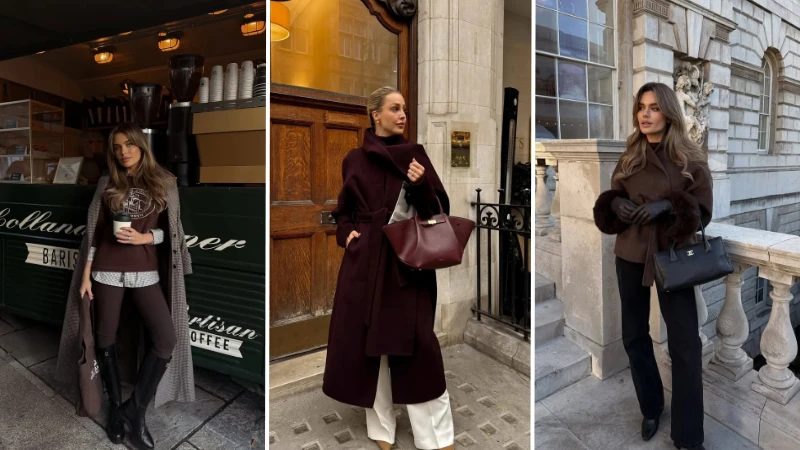
Classy 10+ Old Money Winter Outfits Looks for Cold Days

Those old money winter outfits you see on social media look polished but leave you freezing the second you step outside. The problem isn’t the aesthetic — it’s that most guides ignore actual cold. Quiet luxury winter style demands more than a camel coat and a strand of pearls. It needs fabrics that block wind, layers that don’t bulk, and silhouettes that handle snow without apology. A classic approach — not a costume — separates inherited elegance from a rented dress-up. You need formulas that work from the gala to the slushy sidewalk, not a Pinterest board that freezes.
For building a resilient rotation, these winter outfits offer additional layering inspiration, while cold weather outfits focus on practical insulation without sacrificing polish.
17 Old Money Winter Outfits for Real Winter Days
Most old money winter outfit galleries show you bare ankles and thin blazers. That’s not a winter outfit—it’s a spring look someone photographed in November. The 17 outfits here were built for actual cold, slush, and wind. They rely on heavy wools, dense cashmeres, and matte textures that read as quietly wealthy while doing the unglamorous work of keeping you warm. I’ve grouped them by occasion so you can pull one up whether you’re heading to a ski lodge, a charity luncheon, or a dinner where the thermostat betrays you.
For the Ski Lodge Weekend
A weekend in the mountains doesn’t have to mean head-to-toe performance logos. These outfits mix genuine warmth with the kind of relaxed elegance that says you’ve been doing this for generations, not seasons.
The Relaxed Shearling-and-Jean Combo

Brown suede shearling-lined jacket, cream turtleneck, and medium-blue denim. This is the uniform of someone who actually spends time in the cold but doesn’t dress like she’s about to summit a mountain. The tote is dark brown textured leather—large enough for a book, but structured so it never looks sloppy. If you wear shearling in real snowfall, brush it off before you step indoors; melting flakes mat the wool underside permanently. The gold watch and bracelet are small, shiny anchors that keep the whole thing from reading too rustic. A word on the jeans: they’re straight, dark, and undistressed. No whiskering, no frayed hems. That’s the line between “old money” and “trying.” If you’re refining your cold-weather rotation, start with pieces that feel as good as they look—like a winter outfit built on texture rather than trend.
Beige Puffer, Still Refined

Yes, a puffer. No visible logo, no high-shine nylon—this one is matte beige with low-profile baffles. It’s paired with a turtleneck in the same tonal family and crisp white wide-leg trousers. The brown leather belt and top-handle bag pull the eye downward, creating length and offsetting the puff’s volume. Keep the puffer zipper only half-pulled when indoors—a fully zipped, collar-up stance reads as “bracing for a storm,” not “arriving for lunch.” Gold hoop earrings and slim rings add just enough polish. This works because it treats the puffer as an utility layer, not a fashion statement. Remove it the moment you’re inside, and what’s left is a full, pulled-together outfit.
Dark Wool and an Unexpected Fur Cuff

by @chloelloyd
The coat is the story here: a deep brown wool that hangs heavy—no flimsy wool blend—with real fur or superb faux fur cuffs. Underneath, a black turtleneck and straight-leg black jeans keep the silhouette streamlined. The Chanel tote is in black leather, not canvas, which reads more discreet. Fur cuffs collect condensation when you rest your arm on a snowy ledge; shake them out and let them air-dry flat, never over a radiator, or the leather backing will crack. Black leather gloves and ankle boots finish the look without adding any noise. This is the outfit for a casual dinner at the lodge where you still want to look like you made an effort, but not a production.
Cream Faux Fur Over Black Leggings

A long cream faux fur coat that reads expensive because the fibers are uneven—matte and varied, not uniform plastic shine. It’s thrown over a beige turtleneck and black leggings. This is the one time leggings earn an old money pass: when the coat covers everything from shoulder to mid-thigh. If the coat hits above your knee, swap leggings for straight wool trousers; any shorter and you’re in activewear territory, no matter how nice the coat. The black knee-high leather boots are sleek and low-heeled, and the structured top-handle bag adds a vertical line that cuts the fluff. Sunglasses on a cloudy day are not an affectation—they’re eye protection against glare off snow. Practical, even when it looks like a statement.
Houndstooth with an Equestrian Edge

by @chloelloyd
This one risks looking costumey and sidesteps it by mixing pedigree with slouch. The long houndstooth coat is traditional, but underneath there’s a brown graphic sweatshirt over a gingham button-down—a casual, slightly undone layer that prevents the coat from feeling like a vintage costume. The dark brown leggings and tall riding boots anchor the equestrian reference without being literal. A canvas tote in winter is fine for dry days, but if there’s slush on the ground, switch to a treated leather bag—water will seep through canvas in seconds and ruin the contents. The disposable coffee cup isn’t an accessory, but it’s the most honest part: this outfit works for a real morning walk, not just a photo.
For Lunches and City Strolls
Crisp, tailored, and quiet enough to wear to the country club without looking like you read a manual. These outfits lean on sharp contrasts, weighty fabrics, and the kind of polish that never needs to announce itself.
The Off-White Coat, Crisply Cut

by @svenjagzer
An oversized off-white wool coat thrown over a simple black base: sheer tights, what appears to be a black dress or skirt, and pointed-toe slingbacks. The coat is the star—its weight should be dense enough that the collar stands on its own. Off-white coats and lipstick are a risky combination; pull the collar away from your face when applying makeup, because foundation transfers are near impossible to dab out on wool without leaving a water ring. Black leather gloves cut above the wrist, no gap between glove and sleeve. The handbag is black, structured, and logo-free. Gold stud earrings and oval sunglasses add a slight 1960s ease. This is the outfit for a downtown gallery opening or a lunch where the maître d’ remembers your name.
Burgundy Wrap and White Flares

A match made in old money heaven: head-to-toe burgundy in the coat and turtleneck, then a sharp break with white wide-leg trousers. The wrap style of the coat lets you cinch the waist without a belt, creating shape even under thick layers. The beige pointed-toe shoes are an intentional departure—matching burgundy footwear would tip this into prom territory. Wide-leg trousers in winter pick up every splash from slushy sidewalks; have your tailor add a discreet one-inch hem facing that you can unpick and re-sew when spring comes, extending their life. The burgundy tote is deeply saturated, with no visible hardware. This look reads as generous and confident, not flashy.
The Collarless Cream Jacket Combo

by @_katiepeake
This jacket is collarless, which means your neck gets the focus. The black turtleneck beneath acts as a built-in scarf, so no additional neckwear is needed. White wide-leg trousers, black pointed ankle boots, and a black structured handbag keep the palette high-contrast and clean. Gold hardware on a black bag reads old money only if the rest of the metal on your body matches—mixing gold and silver on a bag with your earrings and rings breaks the cohesion and dilutes the effect. The black leather gloves and sunglasses add privacy, which is part of the aesthetic: you’re polished but not performing. This is what you wear to a winter antiques fair or a lunch where you don’t want to explain your outfit. When you need more office-appropriate versions of layering like this, winter office outfits for women expand the formula into boardroom territory.
The Camel Coat Standard

by @mildagud
This is the outfit most Pinterest boards promise but fail to deliver. The camel coat is long, heavy, and draped properly—no thin felt that crumples when you sit. Underneath, the black turtleneck and white wide-leg trousers create a graphic, unwavering base. A black leather belt cinches the coat at the waist, defining the silhouette instead of letting it hang like a bathrobe. The black shoulder bag’s gold chain should hang straight; if it twists, the whole outfit looks untended. Check it before you walk out. Pointed-toe black boots and leather gloves make sure not a single element falls into casual territory. This is your uniform for a committee meeting at the club or an important lunch downtown.
Brown Wool Over Winter White

by @chloelloyd
Full winter white under a dark brown coat is a gamble that pays off when the fabrics are heavy. The cable-knit sweater here is thick enough to hold its shape, not limp or see-through. White wide-leg trousers in a wool crepe won’t wrinkle or cling. The brown wool coat is the grounding element—it makes the white wearable in December, not just May. Wool coats with suede bags are a trap if the suede isn’t pre-treated; one wet street splash and you’ll have a permanent watermark. Spray it with a beeswax-based protector before the first wear. Black loafers add a menswear note that keeps the look from feeling too precious. Wear this to a holiday open house and you’ll look like you inherited the place.
For Evening Events
When the dress code says “cocktail attire” but the temperature says “arctic blast,” these outfits substitute warmth for nothing but still land on the right side of formal. Capes, fur textures, and leather trousers do the heavy lifting.
The Leather-and-Cape Equation

A camel wool cape over black leather trousers—this is the silhouette that makes people at the cocktail party assume you have a family crest. The cape has no sleeves, so the arms of whatever you wear underneath need to be slim: a black cashmere turtleneck works. The black leather belt is worn over the cape to define the waist; otherwise, the volume overwhelms. Capes in wool can develop shoulder dandruff—tiny fiber pills at the friction point where your bag strap rests. Use a cashmere comb on those spots after each wear. The knee-high leather boots are polished to a low gloss, and the crossbody bag is worn under the cape so it doesn’t disrupt the line. This is for an art gallery benefit or an evening where you want to be noticed without a sequin in sight.
Monochromatic Taupe Luxe

Full taupe on top, black on bottom: this is the old money formula that eliminates decision fatigue. The faux fur jacket is the key—its quality lies in the matte, varied texture that reads like inherited mink, not a costume shop. The matching taupe cashmere scarf is looped once, no knots, ends hanging. A Birkin carried in the crook of your arm signals old money; held in your hand with the flap open, it signals busy airport traveler. Decide the image. Black leather gloves, fitted trousers, and knee-high boots form a column of neutrals that elongate. The gold-rimmed sunglasses add a quiet ’70s French film reference. This works for a dinner in a private dining room where the mood is hushed and the wine list is extensive.
Cream Faux Fur, No Apologies

This is a coat that enters the room before you do. Cream faux fur, floor-grazing in length, worn over a black turtleneck and black trousers. The silhouette is simple: voluminous on top, lean on the bottom. No pattern, no color—just texture. Faux fur can get crushed by heavy rain or snow, leading to a wet-cat effect. Carry an umbrella even if the forecast says flurries; a single downpour can turn the coat into a drowned mess that takes days to dry properly. The black leather handbag and ankle boots are functional, no loud hardware. This is your outfit for the charity gala where the dress code says “festive attire” but you know that really means “don’t try too hard.” With this coat, you won’t need to.
The Cape Coat, Minimalist

by @fleurraffan
A cream wool cape coat worn over a simple black base: sheer tights and knee-high leather boots. The cape’s lack of sleeves gives you freedom to move your arms while still looking impossibly polished. The black handbag is structured and small, providing a visual anchor. Sheer tights in winter are a risk; if you’re walking to the restaurant, wear a pair of thin, moisture-wicking liner socks inside the boots—you can peel them off at the table and no one will know. The boots hit just below the knee, so only a sliver of tight shows. This outfit works for a dinner in a converted library or a winter cocktail hour where you’d rather be cool than cold. The key is that the cape is heavy—a light cape blows open and looks cheap.
Burgundy Cape Over All-Black

A burgundy wool cape over black—this is the easiest way to do color without leaving the old money palette. The cape’s deep tone reads as heritage, not flashy, because it’s the only non-neutral in the outfit. The black base—turtleneck, trousers, gloves, boots—recedes, letting the cape act as the single focal point. With a cape, your handbag stays inside the perimeter; carrying it on the outside creates an awkward bulge and disturbs the drape. Keep your bag on your shoulder or crook of the arm, under the cape. The structured leather handbag and leather ankle boots keep the silhouette sharp. The umbrella is black and plain—no slogans, no patterns, because when it’s closed, it’s just a line. This is for the fundraiser where you admire the art but not the chatter.
When the Coat Comes Off
Thermostats lie. These outfits are built for the moment you peel off your outer layer and need to look just as intentional underneath—without a single bulky base layer in sight.
The Cable-Knit and Pleat Set

by @ohhmurr
This is what lives under the coat at the country club dinner. A cream cable-knit mock neck sweater and an off-white pleated midi skirt make up a monochromatic look that’s soft but structured. The pleats give movement, while the thick sweater holds its shape—no grabbing at it to adjust. Black leather pointed-toe boots pull the eye down and keep the romance in check. When wearing a sweater this textured, skip the long pendant necklace—it will catch in the knit and hang unevenly. Stick to stud earrings and a slim bracelet. The gold pieces are minimal: just earrings, a bracelet, and a single ring. If you’re drawn to skirt-based winter looks, a winter skirt rotation starts with a pleated midi like this one. This outfit works for any occasion where the thermostat is set to “tropical,” and you need to look like you’re still in a winter mood.
Preppy Layering Sans Coat

A cream cable-knit sweater over a crisp white button-down—the collar and cuffs peeking out—paired with chocolate brown trousers. This is the uniform of someone who uses a fountain pen, literally or figuratively. The Lady Dior bag in patent leather is the only logo, and it’s earned its place because the rest of the outfit is so quiet. When layering a button-down under a sweater, the shirt’s cuffs should be unbuttoned and folded back over the sweater’s sleeve once; a tightly cuffed wrist under a knit reads as hurried. The ring is simple, a single piece of jewelry. This is what you’d wear to a winter brunch where coats get checked at the door, and you’d rather look classic than trendy.
Why Most Winter Fabrics Scream “New Money” (And What to Swap Instead)
The glossy puffer: High-shine nylon and visible logos signal active, modern wealth, not quiet luxury. The swap is a matte, densely woven natural fiber—think heavy-gauge merino, cavalry twill, or loden cloth. These drape cleanly, absorb no noise, and read as inherited. When a puffer is non-negotiable, pick one with low-profile baffles, no chest logo, and a deep charcoal or forest green. The fabric should feel more like an utility layer than a fashion statement, and you’ll remove it the moment you step inside. For more muted, season-spanning pieces that whisper instead of shout, browse this approach to quiet luxury dressing.
Faux fur that looks faux: Most guides recommend faux fur as the ethical choice. I’d argue that not all faux is equal—look for matte tips and varied hair lengths that mimic real guard-hair texture, because shiny plastic reads costume, not class. A vintage real fur piece, reworked by a tailor into a simple stole or collar, can also work without looking like a theme. Never buy “fun” colors; they date instantly.
Winter white fails: Cheap polyester crepe whites wrinkle, cling with static, and yellow over time. If you must wear white in winter, choose a dense wool-crepe blend or double-faced cashmere. These hold their shape, breathe, and the slight off-white tone—think clotted cream—resists looking dingy. The weight of the fabric is what communicates substance, not the brightness.
Wool that wears out loud: Thin, loosely woven wool pills fast, loses its shape at the elbows, and looks cheap by February. The old-money test: fold the fabric in your hand; a heavy, felt-like coating that springs back and doesn’t crinkle reads as durable. Cavalry twill and melton wool hold structure even after a damp commute, and they age into a softer hand instead of falling apart. This is where a warm and stylish winter outfit starts—with the coat, not the accessories.
The branding trap: Gold-tone zippers, contrast topstitching, and logo hardware all grab the eye and signal “just bought.” Run a garment through the squint test: hold it at arm’s length and blur your vision. If shiny hardware or stitching pops out, it’s too loud. Quiet luxury pieces should read as an unified, textural whole, with fastenings that blend into the fabric almost invisibly.
The Unwritten Rules of Winter Accessories in Affluent Circles
Gloves that fit: Leather gloves must be lined with silk or cashmere, never chunky knit. The non-obvious detail: shop a half-size down, then stretch them with a glove stretcher so they mold to your hand with zero slouch at the fingertips. Hand-stitched seams are a subtle cue of quality—they’re more pliable and won’t cut into your skin when you grip a steering wheel or a cocktail glass. Keep a second, inexpensive pair in the car for gripping frozen door handles; sanitizer and leather do not mix.
The scarf that doesn’t announce itself: You’ll hear in most articles that a large tartan blanket scarf is a winter staple. The better move is a thin, single-ply cashmere scarf in oatmeal, heather grey, or camel, because it knots without bulk and doesn’t read “tourist.” Loop it once, let the ends hang asymmetrically—no wrapping, no knots. The goal is warmth that looks accidental, like you grabbed it on your way out of a library. For more ways to let understated layers do the talking, see these turtleneck outfit combos.
Headwear without pom-poms: A fine-knit cashmere beanie in a deep neutral works for cold walks, but the insider rule is that hats come off indoors—failing to do so can raise subtle eyebrows. For dressier occasions, a simple felt fedora with a low crown and no ribbon embellishment reads as polished. The key is that the hat must never be the focal point; it should disappear against your hair or coat color.
The hidden neckerchief trick: A silk square worn inside the coat collar blocks wind without adding bulk. Tie it so the knot sits flat and to the side—never directly under the chin, which looks like an uniform. Choose a pattern that echoes your coat lining, not a contrast that screams for attention. This single layer can replace a scarf on days when you’ll be moving between buildings and the car, keeping you warm without overheating once indoors.
Snow boots stay at the door: A woman in quietly affluent circles does not clomp through someone’s home in winter footwear. She carries sleek indoor boots—pull-on leather, with a low stacked heel—and changes in the mudroom. The transition piece is a thin, slip-on rubber tread (like Totes overshoes) that protects fine leather soles from salt and slush. Stash them in a tote and slide them off discreetly in the entry; no one needs to see the protective layer.
Old Money Winter Outfits for Occasions Where Thermostats Betray You
The presentation-layer coat: An overheated party starts the moment you walk in. Your coat must slip off in one motion without disturbing your hair or under-layers, so choose a swing coat, cape coat, or structured wool wrap—no tight sleeves, no fiddly buttons. The outfit underneath must be complete: a fitted silk or superfine merino turtleneck as a foundation shell, a midi skirt or tailored trouser, and low-heeled boots. The coat is a frame, not the artwork. For more ideas on staying polished after you unwrap, explore these winter office outfits that handle indoor heat waves.
The foundation shell: Most guides suggest a camisole under a sweater for warmth. I’d argue for a superfine merino or silk turtleneck as your foundation shell, because it lies flat against the body and never bunches when you remove your coat. No stray straps, no ribbing that clings to your outerwear. It also extends your wardrobe: a dark charcoal shell under a cashmere crewneck becomes an entirely different look than the same sweater alone, and it keeps you warm without adding visual weight.
The bag under the coat: A hands-free crossbody, worn beneath your outer layer, disappears into the side seam and doesn’t bulge if you choose a slim leather style. Or invest in a coat with deep interior welt pockets tailored for a phone and a card case. The goal is to free your hands for drinks and greetings without setting a bag down on a crowded bar—a detail that separates the prepared from the flustered. Avoid oversized totes that swing into people’s champagne.
Surviving slushy entryways: Visible galoshes ruin the line of a trouser. Instead, use thin rubber treads that slip over fine leather soles. Remove them in the entry and stow them in your coat pocket or tote. Your trousers or skirts should hang an inch above the floor so they don’t wick up moisture. If you’re wearing wide-leg trousers, a full-length coat acts as a shield until you can change into indoor shoes; for more coverage strategies, see these winter skirt outfit ideas that navigate real-weather sleet.
The “come cozy” invite decoded: It does not license a hoodie or yoga pants. A matching cashmere track suit—straight-leg, not slim—under a structured wool coat bridges comfort and status. Avoid elastic cuffs that bunch at the ankle, and never wear drawstring hems. The look should read as “I have three of these in different neutrals,” not “I just came from the gym.” Pair with leather backless slides indoors, not slippers, to keep the silhouette intentional.
How to Build a Winter Capsule That Whispers, Not Shouts
Uniform mapping: Old money style doesn’t reinvent itself each season. Identify your three core winter silhouettes—for example, a long coat + straight trouser + boot; a midi skirt + opaque tight + fine-gauge sweater + coat; a wool dress + coat—and only buy pieces that slot into those formulas. If a new item can’t work in at least two of your uniforms, leave it. This eliminates the “I have nothing to wear” freeze on busy mornings.
Dirty neutrals are strategy: Mole grey, loden green, mahogany brown, and clotted cream hide winter grime far better than crisp ivory or bright black. A camel coat shows splashes less than bone white; a dark brown leather boot disguises salt better than black. This is pragmatism, not an aesthetic preference. Build your palette around what the streets throw at you, and your clothes will look fresh longer. For more on letting texture do the talking, revisit these quiet luxury style ideas that translate across seasons.
One in, one out: Rigorous editing prevents a closet full of almost-right pieces. For every addition, something must leave. Run each potential purchase through the filter: “Would this look out of place in a 1980s Ralph Lauren campaign photographed in a library?” If the answer is unsure, pass. Most of us need fewer coats than we own; two heavy wool coats in different neutrals will outlast a dozen trendy jackets.
Cost-per-wear economics: The conventional take is to spend big on a statement coat. That misses the math: a $1,200 heavy wool coat worn 150 days a year for a decade costs $0.80 per wear. Allocate your highest budget to the coat and waterproof leather boots—they protect everything else. Cashmere sweaters come next; layering tees and tights should be the lowest spend. This structure ensures you’re never “saving” on the item that frames your entire impression.
The squint test in action: Hold a garment at arm’s length, squint, and note what catches your eye. If it’s the shine of a zipper, the contrast of a topstitch, or a metal logo plate, it’s too loud. The piece should read as a quiet, textural block. A wool dress that passes this test becomes a canvas for your presence, not the other way around. For capsule-ready pieces that already pass the test, see these wool dress outfits built for warmth and restraint.
The Secret to Maintaining Your Winter Investment Pieces Like a Heiress
Coat Storage: Drape your coat on a wide, padded or cedar hanger that fills the shoulder cap—never wire.
Cedar hangers aren’t just for moths; their broad curves prevent the coat’s shoulder line from slumping into a permanent crease. During off-season, slide the coat into a breathable cotton garment bag (not plastic dry-cleaning wrap, which traps moisture and turns wool musty) and tuck a lavender sachet into the pocket.
Cashmere Pilling: Run a fine-gauge cashmere comb over the surface before each wear to lift away pills, not a sweater stone.
Stones snag the fiber and can create a fuzzy halo that cheapens the look over time. Light combing restores the smooth nap without stress—do it horizontally, then vertically, and the sweater reads freshly knit even after dozens of wears.
Boot Care on Salted Streets: The moment you get home, wipe leather with a damp cloth, then condition with a beeswax-based balm.
Silicone sprays form a plastic coating that cracks in extreme cold, so skip them entirely. Rotate boots between wears and insert cedar shoe trees to pull out dampness—this keeps the leather from warping and the shape intact for years.
Leather Gloves: Remove gloves before using hand sanitizer; alcohol destroys the leather’s finish instantly.
For lined gloves, hand-wash with cool water and wool-safe soap, reshape gently, and dry flat away from heat. Send them to a specialist once a season for a deep clean—the stitching at the fingers is the first place cracks appear, and a pro can reinforce before it’s too late.
Odor Reset Between Wears: Wool coats need nothing but fresh air overnight; for sweaters, a fine mist of plain vodka.
Spray the underarm area lightly, and the vodka kills odor-causing bacteria without a single wash cycle. Rotate pieces so every garment gets at least 24 hours of rest—fibers bounce back, and you never cook the wool in a dryer.
FAQ
Can I wear a puff coat and still look old money?
Yes, if it reads as an utility layer and not a fashion statement. Choose matte black or deep charcoal, no chest logo, and the flattest quilt baffles you can find—then remove it the second you’re indoors.
Do I really need to wear heels in winter to look posh?
No. A knee-high leather boot with a low stacked heel or a sleek pointed flat reads as refined. What matters is the polish of the leather and a clean silhouette—scuffed, rounded toes do more damage than a missing stiletto.
How do I keep long skirts and trousers dry in snow?
Tuck skinny trousers into tall boots. For wider hems, let a full-length coat sweep as a shield and switch to indoor shoes once inside. I’ve covered winter skirt outfits that handle slush without fuss, but the simplest trick is hidden fashion tape to temporarily hitch a wide hem up an inch while you walk.
Are bright colors ever acceptable in old money winter style?
Rarely. A small accent in a deep jewel tone—burgundy glove lining or an emerald silk scarf—can work, but bright outerwear reads immediately as “new.” Keep dominant pieces to mole grey, loden, mahogany, and clotted cream.
What’s the one piece I should splurge on first?
A double-faced cashmere or heavy wool coat in a dirty neutral. It’s the first thing people see and the last thing you replace—it elevates every sweater and pair of trousers underneath for the next decade.
How do I not look like I’m wearing a costume?
Avoid head-to-toe theming. If you’re wearing a tweed blazer and riding boots, skip the quilted vest and the satchel—it tips into period piece. The best quiet luxury old money outfits always include one contemporary element, like a minimalist bag or a sleek watch, that says you live in the present.
Is denim ever allowed?
Only in its most restrained form: dark wash, straight-leg, no fading or whiskering. Pair with a thick cashmere sweater and leather knee-high boots, and save it for a casual weekend lunch—never after dark. Beyond that, winter outfits that lean on wool trousers simply read more refined.